
You are navigating the complex landscape of healing from trauma. It’s a journey that often feels overwhelming, a dense forest where familiar paths have been lost. You might feel your mind is stuck on repeat, replaying distressing memories or trapped in a cycle of anxiety and fear. This feeling of being stuck isn’t a personal failing; it’s often a testament to the powerful hold trauma can have on your brain. However, understanding neuroplasticity offers a profound shift in perspective. It reveals that your brain, far from being a fixed entity, is a dynamic, adaptable organ, capable of rewiring itself. This innate capacity for change, known as neuroplasticity, is not just a scientific curiosity; it is a fundamental key to unlocking your trauma healing journey.
Your brain, a marvel of biological engineering, is a vast network of billions of neurons, like intricate electrical wires, constantly communicating with each other through electrochemical signals. These connections, called synapses, form complex pathways that dictate your thoughts, emotions, behaviors, and even your perception of reality. When you experience trauma, especially chronic or overwhelming trauma, these neural pathways can become deeply etched and reinforced in ways that are detrimental to your well-being.
Imagine your brain as a city. Normally, traffic flows smoothly on well-maintained roads, allowing for efficient travel and communication between different districts. Trauma, however, can be akin to a catastrophic earthquake that devastates key infrastructure. Roads become damaged, bottlenecks form, and certain areas become nearly inaccessible.
The Formation of Traumatic Memory Traces
When you experience a traumatic event, your brain’s stress response system, primarily the amygdala (the brain’s alarm center) and the hippocampus (involved in memory formation and context), goes into overdrive. The amygdala becomes hyper-vigilant, flagging potential threats with heightened sensitivity. Simultaneously, the hippocampus struggles to properly contextualize the overwhelming sensory and emotional data, leading to fragmented and intense memories.
These memories aren’t just stored like files in a cabinet; they are imprinted as strong, often dysregulated, neural circuits. Think of it like repeatedly driving the same rutted path. The more you travel it, the deeper the grooves become, making it increasingly difficult to deviate. These “trauma traces” can be activated by seemingly innocuous triggers, leading to flashbacks, intrusive thoughts, and intense emotional distress.
The Role of the Amygdala and Hippocampus in Post-Traumatic Stress
- Amygdala Hyperactivity: In the aftermath of trauma, your amygdala can become chronically overactive. This is like having a smoke detector that’s stuck on maximum sensitivity, constantly signaling a fire even when there’s no danger. This heightened fear response can manifest as anxiety, hypervigilance, and a seemingly perpetual state of readiness for threat. You are constantly scanning your environment, braced for the next perceived danger, exhausting your nervous system.
- Hippocampal Compromise: The hippocampus, which normally helps you understand the “when” and “where” of an event, can be impaired by severe stress. This can lead to memories feeling detached from context, as if they are happening in the present moment. You might experience nightmares or flashbacks where the full sensory and emotional intensity of the original event resurfaces, blurring the lines between past and present.
The Impact on the Prefrontal Cortex
The prefrontal cortex (PFC), the brain’s executive control center responsible for rational thought, decision-making, and emotional regulation, can also be significantly impacted by trauma. Chronic stress and amygdala hyperactivity can lead to a diminished capacity of the PFC to effectively manage the intense emotional signals from the amygdala.
- Impaired Executive Functions: This can feel like your command center is struggling to regain control. You might find it difficult to concentrate, make decisions, or manage your impulses. The PFC’s ability to inhibit the amygdala’s alarm bells is weakened, leaving you feeling overwhelmed and reactive. It’s like the air traffic controller losing their grip on the radar during a storm.
Neuroplasticity plays a crucial role in trauma healing, as it allows the brain to reorganize itself by forming new neural connections in response to experiences. For a deeper understanding of how neuroplasticity can aid in overcoming trauma, you can explore the article found at Unplugged Psych, which discusses various therapeutic approaches that leverage this remarkable ability of the brain to promote recovery and resilience.
Neuroplasticity: The Brain’s Capacity for Rewiring
Neuroplasticity, derived from the Greek words “neuron” (nerve cell) and “plastos” (molded or formed), is the brain’s remarkable ability to reorganize itself by forming new neural connections throughout life. This means that the pathways etched by trauma are not permanent fixtures. With the right approaches and consistent effort, you can actively participate in reshaping your brain.
Think of your brain not as a finished sculpture, but as a dynamic, ever-evolving landscape. Trauma can carve deep canyons and create treacherous ravines, but neuroplasticity offers the tools and the soil to build new bridges, create fertile valleys, and reroute the rivers of your neural activity.
The Fundamental Principles of Neuroplasticity
The concept of neuroplasticity is grounded in several key principles that are directly relevant to your healing:
- “Neurons that fire together, wire together”: This is the mantra of neuroplasticity. When neurons are activated simultaneously, the connections between them strengthen. Conversely, if connections are not used, they weaken and can eventually be pruned away. This principle highlights the importance of actively engaging in new, positive experiences and shifting your focus.
- “Use it or lose it”: This applies to neural pathways. If you repeatedly engage in maladaptive coping mechanisms or dwell on traumatic memories, you reinforce those neural circuits. Conversely, by consciously choosing to practice new skills, engage in calming activities, and focus on present-moment experiences, you strengthen desired pathways.
- Experience-dependent plasticity: Your brain’s structure and function are constantly shaped by your experiences. This means that by seeking out and engaging with new and varied experiences, especially those that promote safety, connection, and empowerment, you can actively influence your brain’s rewiring.
Neuroplasticity as a Dynamic Process
It is crucial to understand that neuroplasticity is not a passive phenomenon. It requires your active participation. Unlike a computer that can be reset by a technician, your brain healing is a collaborative effort between you and the biological processes at play. You are the architect of your own neural landscape.
Harnessing Neuroplasticity for Trauma Healing

The understanding of neuroplasticity shifts the paradigm of trauma healing from managing symptoms to actively transforming the underlying neural architecture. It offers hope and agency, empowering you to become an active participant in your recovery. The goal is not to erase the past, but to create new neural pathways that can accommodate, process, and ultimately diminish the overwhelming grip of traumatic memories.
Targeted Interventions and Their Neuroplastic Effects
Various therapeutic modalities leverage the principles of neuroplasticity to facilitate healing. These interventions are designed to engage specific brain regions and neural circuits, promoting the formation of healthier patterns of thought, emotion, and behavior.
- Trauma-Focused Cognitive Behavioral Therapy (TF-CBT): TF-CBT helps you reprocess traumatic memories by breaking them down into manageable parts and integrating them into your life narrative. This process encourages the prefrontal cortex to engage with and regulate the emotional responses triggered by these memories, weakening the amygdala’s overblown reactions. You are learning to tell your story in a way that allows your brain to contextualize and desensitize itself.
- Eye Movement Desensitization and Reprocessing (EMDR): EMDR utilizes bilateral stimulation (e.g., eye movements, auditory tones) while you briefly focus on traumatic memories. This process is thought to facilitate the brain’s natural information processing system, helping to desensitize the emotional charge of these memories and integrate them in a less disturbing way. It’s like gently guiding your brain’s traffic through a challenging intersection, allowing it to process the information without getting stuck.
- Somatic Experiencing (SE): SE focuses on the body’s response to trauma. By gently guiding you to notice and process the physical sensations associated with traumatic experiences, SE helps to release stored tension and dysregulated physiological responses. This approach directly impacts the autonomic nervous system, promoting a shift from a state of hyperarousal to one of calm and regulation. You are essentially teaching your body to “unlearn” the fight-or-flight response it has been holding onto.
The Importance of Repetition and Practice
Just as a musician practices scales to master an instrument, or an athlete trains to refine their skills, neuroplasticity requires consistent repetition and practice of new neural pathways. When you engage in therapeutic exercises, mindfulness practices, or new positive behaviors, you are actively strengthening those desired neural connections.
- Regular Mindfulness and Meditation: These practices train your brain to focus on the present moment, observe your thoughts and emotions without judgment, and cultivate a sense of calm. Regular engagement can strengthen the prefrontal cortex’s ability to regulate the amygdala and reduce rumination. You are building a mental “calm-down” button.
- Developing New Coping Skills: Actively learning and practicing new, healthy coping mechanisms for stress and difficult emotions is crucial. This could involve deep breathing exercises, progressive muscle relaxation, journaling, or engaging in creative activities. Each time you choose a healthy coping mechanism over a maladaptive one, you are reinforcing a positive neural pathway.
The Role of Emotion and Engagement
Neuroplasticity thrives on engagement and emotional resonance. When you actively participate in experiences that evoke positive emotions and a sense of agency, these processes are more likely to lead to lasting neural change.
- Experiencing Safety and Connection: Building supportive relationships and creating environments that feel safe and validating are vital. These experiences can counteract the isolation and fear often associated with trauma and provide the emotional grounding necessary for rewiring your brain. You are building new neural “safe harbors” in your brain.
- Meaningful Activities and Engagement: Engaging in activities that bring you joy, purpose, or a sense of accomplishment can also foster positive neuroplastic changes. These experiences can help to reorient your brain towards positive states and create new, positive neural associations.
Building New Neural Pathways: A Practical Approach
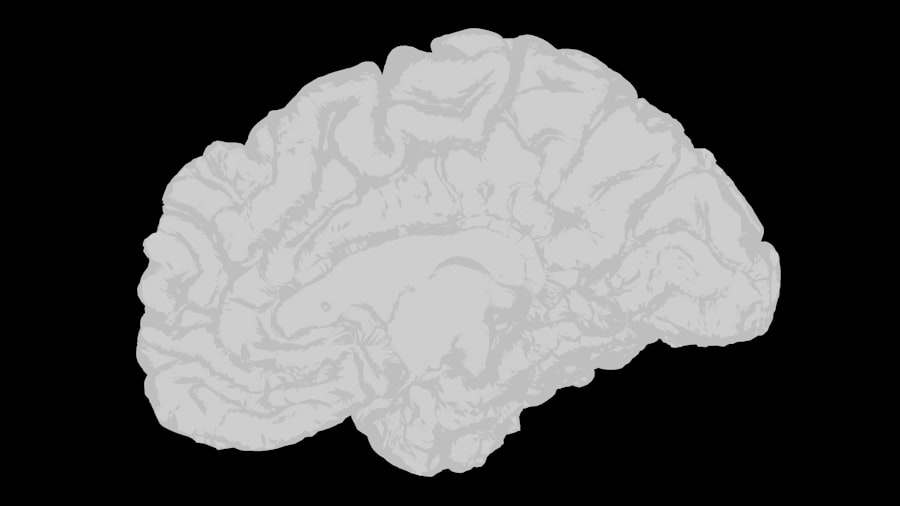
Understanding that your brain is capable of change is the first step. The next is to actively participate in building those new pathways. This is an ongoing process, not a destination, and it requires patience, self-compassion, and consistent effort.
The Power of Conscious Choice and Action
Every conscious choice you make to engage in a new behavior, challenge a negative thought pattern, or practice a calming technique is an opportunity to sculpt your brain.
- Challenging Negative Self-Talk: Trauma can often lead to deeply ingrained negative beliefs about yourself and the world. Actively identifying these thoughts and challenging their validity is a powerful neuroplastic exercise. You are questioning the old narratives and creating space for new, more accurate ones.
- Behavioral Activation: This involves intentionally engaging in activities that you used to enjoy or that provide a sense of accomplishment, even if you don’t feel motivated initially. The act of doing often precedes the feeling, and engaging in these activities helps to build new neural circuits associated with pleasure and engagement.
Embracing Novelty and Learning
New experiences create new neural connections. Actively seeking out opportunities to learn, try new things, and step outside your comfort zone (in a safe and manageable way) can be incredibly beneficial.
- Learning a New Skill: This could be anything from learning a new language to taking up a musical instrument or a new craft. The process of learning requires your brain to form new connections and pathways, strengthening its overall plasticity.
- Exploring New Environments: Visiting new places, even locally, can expose your brain to novel stimuli and sensory input, promoting neuroplasticity.
The Importance of Sleep and Nutrition
Your brain’s ability to repair and reorganize itself is heavily influenced by your physical health. Sleep is a critical period for neural consolidation and repair, while proper nutrition provides the building blocks for brain function.
- Prioritizing Restorative Sleep: Aiming for consistent, quality sleep is paramount. During sleep, your brain consolidates memories, clears out metabolic waste, and strengthens neural connections. Trauma can disrupt sleep, so addressing sleep hygiene is an integral part of healing.
- Nourishing Your Brain: A balanced diet rich in omega-3 fatty acids, antioxidants, and essential vitamins supports optimal brain function and neuroplasticity. Think of it as providing the best fuel for your brain’s engine.
Neuroplasticity plays a crucial role in trauma healing, as it allows the brain to reorganize itself and form new neural connections in response to experiences. This adaptability is essential for individuals recovering from traumatic events, as it can facilitate the development of healthier coping mechanisms and emotional resilience. For a deeper understanding of how neuroplasticity can aid in the healing process, you may find this insightful article on trauma and brain health particularly helpful. To explore more about this topic, visit this resource.
Cultivating Resilience and Post-Traumatic Growth
| Metric | Description | Typical Range/Value | Relevance to Neuroplasticity & Trauma Healing |
|---|---|---|---|
| Hippocampal Volume | Size of the hippocampus measured via MRI | Normal: ~3.5-4.5 cm³; Reduced in trauma survivors | Smaller hippocampal volume is linked to PTSD; neuroplasticity can aid recovery |
| BDNF Levels (Brain-Derived Neurotrophic Factor) | Concentration of BDNF in blood or brain tissue | Normal serum: 10-30 ng/mL; often decreased after trauma | BDNF supports synaptic plasticity and neural growth, critical for healing |
| Functional Connectivity | Strength of neural network connections measured by fMRI | Varies; trauma often reduces connectivity in prefrontal cortex | Improved connectivity correlates with recovery and emotional regulation |
| Neurogenesis Rate | Rate of new neuron formation in the hippocampus | Estimated 700 new neurons/day in adults; reduced by chronic stress | Increased neurogenesis supports trauma recovery and cognitive function |
| Cortisol Levels | Stress hormone concentration in blood or saliva | Normal morning: 5-23 µg/dL; dysregulated in trauma survivors | Chronic high cortisol impairs neuroplasticity; regulation aids healing |
| Synaptic Density | Number of synapses per unit volume in brain tissue | Varies by region; trauma can reduce synaptic density | Higher synaptic density indicates better neural communication and plasticity |
Neuroplasticity is not just about healing from the wounds of trauma; it also lays the foundation for building resilience and fostering post-traumatic growth. As you rewire your brain, you are not only reducing the impact of past experiences but also equipping yourself with the neural tools to navigate future challenges with greater strength and adaptability.
The Shift from Survival to Thriving
Initially, your brain’s response to trauma is survival-oriented. Neuroplasticity allows you to shift from this state of constant vigilance to one of thriving.
- Developing Emotional Regulation Skills: As your prefrontal cortex strengthens its connections and regains its regulatory capacity, you become better equipped to manage intense emotions, reducing the likelihood of being overwhelmed. You are developing a stronger internal compass.
- Increased Self-Awareness and Insight: The process of healing through neuroplasticity often leads to a deeper understanding of yourself, your triggers, and your coping mechanisms. This heightened self-awareness is a crucial component of resilience.
Embracing Post-Traumatic Growth
For some individuals, healing from trauma through neuroplastic processes can lead to post-traumatic growth, a phenomenon where individuals experience positive psychological change following adversity. This can manifest as:
- Enhanced Appreciation for Life: A profound shift in perspective, leading to a greater appreciation for everyday moments and relationships.
- Deeper Personal Relationships: A stronger capacity for connection and intimacy, often stemming from shared experiences or a newfound understanding of vulnerability.
- Increased Strength and Resilience: A robust sense of inner strength and the ability to cope effectively with future challenges.
- New Possibilities and Purpose: A recalibration of life goals and a renewed sense of purpose and meaning.
Conclusion: Your Brain’s Potential for Transformation
You are not destined to be defined by your trauma. The intricate and ever-changing nature of your brain, through the power of neuroplasticity, offers you a profound opportunity for healing and transformation. By understanding how trauma impacts your neural pathways and by actively engaging in practices that promote rewiring, you can reshape your brain’s responses, reclaim your sense of self, and build a future characterized by resilience and well-being. This journey requires commitment, patience, and the unwavering belief in your brain’s remarkable capacity to heal and grow. The pathways of your past may be deeply grooved, but the potential for new, vibrant, and resilient neural landscapes lies within you.
FAQs
What is neuroplasticity?
Neuroplasticity is the brain’s ability to reorganize itself by forming new neural connections throughout life. This adaptability allows the brain to compensate for injury, adjust to new experiences, and support learning and memory.
How does trauma affect the brain?
Trauma can alter brain function and structure, particularly in areas related to emotion regulation, memory, and stress response. It may lead to changes in neural pathways that affect behavior, mood, and cognitive processes.
Can neuroplasticity help in healing from trauma?
Yes, neuroplasticity plays a crucial role in trauma healing by enabling the brain to rewire and develop new, healthier neural pathways. Therapeutic interventions can harness this capacity to reduce trauma symptoms and improve emotional regulation.
What types of therapies utilize neuroplasticity for trauma recovery?
Therapies such as cognitive-behavioral therapy (CBT), eye movement desensitization and reprocessing (EMDR), mindfulness practices, and somatic experiencing leverage neuroplasticity to promote healing and resilience after trauma.
How long does it take for neuroplastic changes to occur during trauma healing?
The timeline varies depending on the individual, the severity of trauma, and the type of intervention. Neuroplastic changes can begin within weeks of consistent therapy but often require ongoing practice and support for lasting effects.