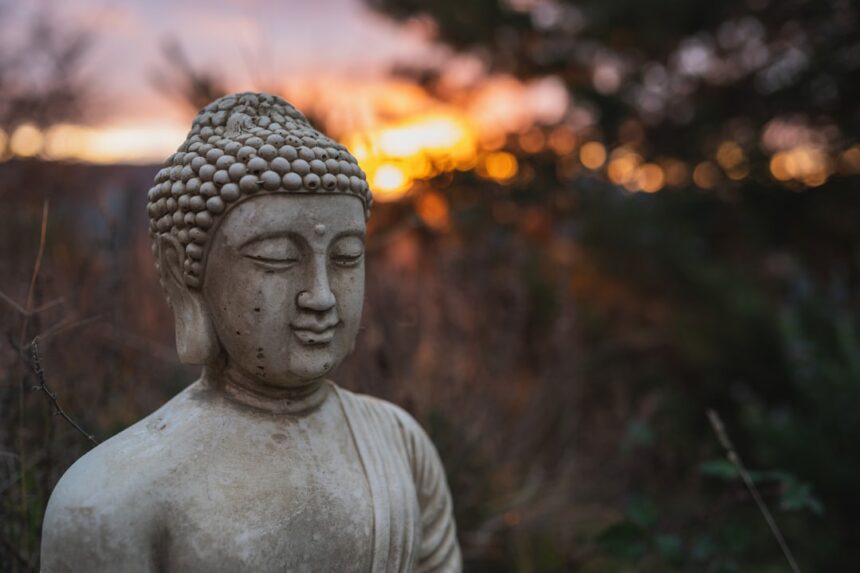
A quest for inner freedom is, at its core, a journey of liberation from internal constraints. You are not striving to alter external circumstances, but rather to reshape your relationship with them. This process involves a meticulous examination of your cognitive and emotional landscapes, aiming to dismantle self-imposed limitations and cultivate a robust sense of autonomy within your own experience. Think of it as unbinding yourself from invisible cords woven from past experiences, societal expectations, and ingrained patterns of thought.
Before you can untangle yourself, you must first recognize what binds you. This initial phase requires rigorous self-observation and an honest appraisal of your inner world.
The Illusion of Control: External Dependency
You often seek freedom by attempting to control external factors. This is a common fallacy. True inner freedom stems from recognizing that while you may influence external events, you do not entirely control them. Your focus should shift from manipulating the world to mastering your response to it.
- Attachment to Outcomes: When your happiness is contingent upon a specific result, you become a prisoner of anticipation. Failure to achieve that outcome can lead to significant emotional distress.
- Validation Seeking: Relying on the approval or disapproval of others for your sense of worth entrenches a dependency that erodes your inner sovereignty. Your self-esteem becomes a weather vane, constantly shifting with external winds.
- Material Possessions as Freedom: The belief that accumulating wealth or possessions will grant you freedom is a pervasive myth. While resources can offer comfort and options, they do not inherently bestow inner liberation.
The Tyranny of Thought Patterns: Cognitive Distortions
Your mind, a powerful instrument, can also become your most formidable oppressor. Unexamined thought patterns, often deeply ingrained by habit and experience, can create a private prison.
- Catastrophizing: This involves anticipating the worst possible outcome in any given situation. You may find yourself projecting negative scenarios, even in trivial matters, leading to chronic anxiety.
- All-or-Nothing Thinking: Viewing situations in absolute terms, with no middle ground. This black-and-white perspective often prevents you from perceiving nuances and can lead to frustration and disappointment.
- Personalization: Attributing external events, over which you have no control, to your own fault or responsibility. This can engender unwarranted guilt and self-blame.
- Mind Reading: Assuming you know what others are thinking without concrete evidence. This can lead to misinterpretations and unnecessary conflict.
The Weight of Emotion: Unprocessed Feelings
Emotions, when unacknowledged or suppressed, can accumulate like sediment, weighing down your inner landscape and impeding free movement.
- Resentment and Grudges: Holding onto past wrongs, whether real or perceived, creates a persistent emotional burden. It is like carrying a heavy stone, day in and day out, believing it punishes the other party when in reality it only burdens you.
- Fear of the Unknown: The human brain is wired for predictability. Uncertainty can trigger anxiety and a desire to cling to the familiar, even if the familiar is detrimental.
- Shame and Guilt: While these emotions can serve as moral compasses, prolonged or irrational shame and guilt can be profoundly debilitating, preventing you from embracing new possibilities and self-acceptance.
Cultivating a sense of inner freedom is essential for personal growth and emotional well-being. One insightful article that delves into this topic is available at Unplugged Psych, where various strategies and practices are discussed to help individuals break free from limiting beliefs and societal expectations. You can read more about these transformative approaches by visiting this link. Embracing these concepts can lead to a more liberated and fulfilling life.
The Architect of Your Freedom: Cultivating Self-Awareness
The cornerstone of inner freedom is unwavering self-awareness. This is not a passive observation but an active, inquisitive exploration of your internal dynamics. It is the process of illuminating the dark corners of your mind.
The Practice of Mindfulness: Observing Without Judgment
Mindfulness is a direct pathway to enhanced self-awareness. It involves paying attention to the present moment, without judgment, to your thoughts, feelings, bodily sensations, and the surrounding environment.
- Present Moment Awareness: Engage in practices that bring your attention to the ‘now.’ This can be as simple as focusing on your breath, the texture of your clothing, or the sounds around you.
- Body Scan Meditation: Systematically bringing awareness to different parts of your body, noticing any sensations without attempting to change them. This practice can reveal areas of tension or discomfort you may be unconsciously holding.
- Daily Reflection: Dedicate time each day to review your thoughts, emotions, and reactions. Ask yourself: “What was I feeling in that moment? What thoughts preceded that emotion? What was my initial impulse?”
Journaling: A Mirror to Your Mind
Journaling provides a tangible record of your internal landscape, allowing for retrospective analysis and identification of recurring patterns.
- Emotional Tracking: Document significant emotional experiences, noting their triggers, intensity, and duration. This can identify emotional vulnerabilities and strengths.
- Thought Unloading: Use journaling as a space to freely express your thoughts, even those you deem irrational or undesirable. This externalization can help you process and challenge them more effectively.
- Pattern Recognition: Over time, reviewing your journal entries will reveal recurring worries, anxieties, and successes. This identification of patterns is crucial for understanding self-limiting beliefs.
Seeking Feedback: External Perspectives
While inner freedom is an internal pursuit, external perspectives can offer valuable insights. Trustworthy friends, family, or professional therapists can reflect aspects of yourself you might overlook.
- Constructive Criticism: Learn to receive feedback, both positive and negative, without becoming defensive. Consider it as data that can inform your self-understanding.
- Therapeutic Alliance: A qualified therapist can provide objective insights into your cognitive distortions and emotional patterns, offering guidance and tools for self-liberation.
Dismantling the Prison Walls: Strategies for Inner Liberation

Once you have identified your internal constraints and cultivated self-awareness, you can begin the deliberate process of dismantling them. This requires consistent effort and a willingness to challenge your comfort zone.
Cognitive Restructuring: Challenging Your Thoughts
Your thoughts are not immutable truths; they are often interpretations. Cognitive restructuring involves actively questioning and re-framing negative or limiting thought patterns.
- Identify Automatic Negative Thoughts (ANTs): Become adept at catching yourself when you engage in catastrophic thinking, personalization, or all-or-nothing thinking.
- Evidence Gathering: For each negative thought, ask yourself: “What is the evidence for this thought? What is the evidence against it?” Often, you will find that the evidence supporting your ANTs is sparse or non-existent.
- Alternative Explanations: Brainstorm alternative perspectives or explanations for a situation. This broadens your mental landscape and reduces the grip of a single, negative interpretation.
- Decatastrophizing: If a feared outcome were to occur, what would be the actual consequences? How would you cope? Often, the imagined catastrophe is far worse than the reality.
Emotional Regulation: Mastering Your Inner Climate
Emotional regulation does not mean suppressing emotions; it means skillfully navigating them without being overwhelmed or controlled by them.
- Validation of Emotions: Acknowledge your feelings without judgment. Say to yourself, “I am feeling worried right now, and that’s okay.” Repressing emotions often amplifies them.
- Emotion-Focused Coping: Develop healthy coping mechanisms for intense emotions. This might include exercise, creative expression, talking to a trusted friend, or engaging in relaxation techniques.
- Mindful Acceptance: Learning to accept difficult emotions without resistance. This doesn’t mean you like the feeling, but you allow it to be present without fighting it, which often diminishes its intensity over time.
- Practicing Forgiveness: Forgiveness, both of others and yourself, is a powerful act of emotional liberation. It releases you from the burden of resentment and guilt, allowing you to move forward.
Behavioral Activation: Acting in Spite of Fear
Often, your internal constraints manifest as inaction or avoidance. Behavioral activation involves taking deliberate steps that challenge your fears and expand your comfort zone.
- Exposure Therapy (Graded Exposure): Systematically confronting situations you fear, starting with small, manageable steps. This gradual exposure helps to desensitize you to anxiety-provoking stimuli.
- Setting Achievable Goals: Break down large, intimidating goals into smaller, actionable steps. Each successful step builds confidence and reinforces your capacity for change.
- Challenging Avoidance Behaviors: Identify situations you routinely avoid due to fear or discomfort. Deliberately choose to engage in these situations, even if it feels uncomfortable.
- Embracing Discomfort: Understand that growth often happens at the edge of your comfort zone. View discomfort not as a signal to retreat, but as an indicator of progress.
The Pillars of Sustained Freedom: Nurturing Your Inner Ecosystem

Inner freedom is not a destination but an ongoing process. Maintaining this state requires consistent cultivation and an environment that supports your inner growth.
Defining Your Values: Your Inner Compass
When you live in alignment with your core values, your actions become meaningful, and your inner world finds greater coherence. Your values are your fundamental beliefs about what is important in life.
- Identifying Core Values: Dedicate time to reflect on what truly matters to you. Is it integrity, compassion, creativity, autonomy, connection? List them in order of importance.
- Living Your Values: Consciously make choices and take actions that reflect your identified values. For example, if integrity is a core value, ensure your words and deeds are consistent.
- Value-Driven Decision Making: When faced with a dilemma, consider which choice aligns best with your values. This provides a clear framework for navigating complex situations.
Cultivating Self-Compassion: Be Your Own Ally
You are often your harshest critic. Inner freedom thrives in an environment of self-kindness and understanding, not self-condemnation.
- Treat Yourself as a Friend: When you experience setbacks or make mistakes, how would you speak to a beloved friend? Apply that same gentleness and understanding to yourself.
- Mindful Self-Kindness: Acknowledge your suffering without judgment and respond with warmth and care, rather than self-criticism.
- Common Humanity: Recognize that imperfection, suffering, and struggle are universal human experiences. You are not alone in your challenges.
Establishing Boundaries: Protecting Your Inner Sanctuary
Boundaries, both physical and emotional, are essential for preserving your energy and autonomy. They delineate what you will and will not tolerate.
- Identifying Your Limits: Understand your emotional, physical, and mental limits. What depletes you? What recharges you?
- Communicating Boundaries Clearly: Express your boundaries respectfully but firmly to others. This may initially be challenging, but it is crucial for self-preservation.
- Enforcing Boundaries: Be prepared to uphold your boundaries, even if it causes temporary discomfort for yourself or others. This is an act of self-respect.
Cultivating a sense of inner freedom is essential for personal growth and emotional well-being. One effective approach is to practice mindfulness, which allows individuals to become more aware of their thoughts and feelings without judgment. By embracing this practice, you can learn to let go of limiting beliefs and societal expectations that often confine us. For further insights on this topic, you might find it helpful to explore a related article that delves deeper into the concept of inner freedom and offers practical strategies. You can read more about it here.
The Unfolding Journey: Embracing Impermanence and Growth
| Practice | Description | Frequency | Expected Outcome | Time to Notice Effect |
|---|---|---|---|---|
| Mindfulness Meditation | Focus on present moment awareness to reduce mental clutter and increase clarity. | Daily (10-20 minutes) | Improved emotional regulation and reduced stress | 2-4 weeks |
| Journaling | Writing thoughts and feelings to process emotions and gain perspective. | 3-5 times per week | Greater self-awareness and emotional release | 1-3 weeks |
| Setting Boundaries | Learning to say no and protect personal time and energy. | As needed | Increased sense of control and reduced overwhelm | Immediate to 2 weeks |
| Gratitude Practice | Regularly acknowledging things you are thankful for to shift mindset. | Daily | Enhanced positivity and contentment | 1-2 weeks |
| Physical Exercise | Engaging in movement to release tension and boost mood. | 3-5 times per week | Improved mental clarity and energy | 2-4 weeks |
| Self-Compassion | Practicing kindness towards oneself during challenges. | Daily reminders | Reduced self-criticism and increased inner peace | 3-6 weeks |
| Decluttering | Organizing physical space to reduce distractions and promote calm. | Monthly or as needed | Greater mental clarity and freedom | Immediate to 1 week |
Inner freedom is not a static achievement, but a dynamic state that evolves with you. The path is not linear, and setbacks are an inherent part of the process.
Embracing Uncertainty: The Only Constant
Life is inherently unpredictable. Resisting this truth often leads to frustration and anxiety. Inner freedom involves cultivating a greater ease with not knowing.
- Mindful Acceptance of Uncertainty: Practice acknowledging moments of uncertainty without immediately attempting to resolve them. Allow yourself to be present with the unknown.
- Focus on the Present: When anxieties about the future arise, gently bring your attention back to what you can control or influence in the present moment.
- Developing Resilience: View challenges and unexpected events as opportunities to strengthen your coping mechanisms and adaptability.
Continuous Learning and Adaptability: The Evolving Self
As you grow and your environment changes, your understanding of inner freedom will also deepen and shift. Remain open to new insights and approaches.
- Lifelong Learning: Cultivate intellectual curiosity and a commitment to understanding yourself and the world around you.
- Review and Adjust: Regularly review your progress, identify new areas for growth, and adapt your strategies as needed. What worked yesterday may not be the most effective approach today.
- Self-Compassionate Re-Evaluation: When you encounter new internal limitations, approach them with the same curiosity and kindness you applied to previous challenges.
In conclusion, cultivating inner freedom is a multifaceted and continuous undertaking. It demands introspection, courage, and consistent effort. By understanding your internal constraints, diligently cultivating self-awareness, employing strategies for liberation, and nurturing a supportive inner environment, you can progressively dismantle the walls of your self-imposed prison and step into a more expansive and autonomous mode of being. This journey is uniquely yours, and its rewards—a profound sense of peace, resilience, and personal agency—are immeasurable.

Michel de Montaigne Philosophy for Anxiety Relief
FAQs
What does it mean to have a sense of inner freedom?
Inner freedom refers to a state of mind where an individual feels liberated from internal constraints such as fear, anxiety, limiting beliefs, and external pressures. It involves having control over one’s thoughts and emotions, leading to a sense of peace and autonomy regardless of external circumstances.
What are common practices to cultivate inner freedom?
Common practices include mindfulness meditation, self-reflection, journaling, setting healthy boundaries, and developing emotional intelligence. These activities help individuals become more aware of their thoughts and feelings, enabling them to respond rather than react to situations.
How does mindfulness contribute to inner freedom?
Mindfulness encourages present-moment awareness and non-judgmental observation of thoughts and emotions. This practice helps reduce mental clutter and emotional reactivity, allowing individuals to experience greater clarity and freedom from habitual negative patterns.
Can cultivating inner freedom improve mental health?
Yes, cultivating inner freedom can lead to reduced stress, anxiety, and depression. By gaining control over one’s internal state and fostering resilience, individuals often experience improved emotional well-being and a more positive outlook on life.
Is inner freedom a permanent state or a continuous process?
Inner freedom is generally considered a continuous process rather than a permanent state. It requires ongoing self-awareness, practice, and effort to maintain, as life’s challenges and changes can influence one’s sense of internal liberty.