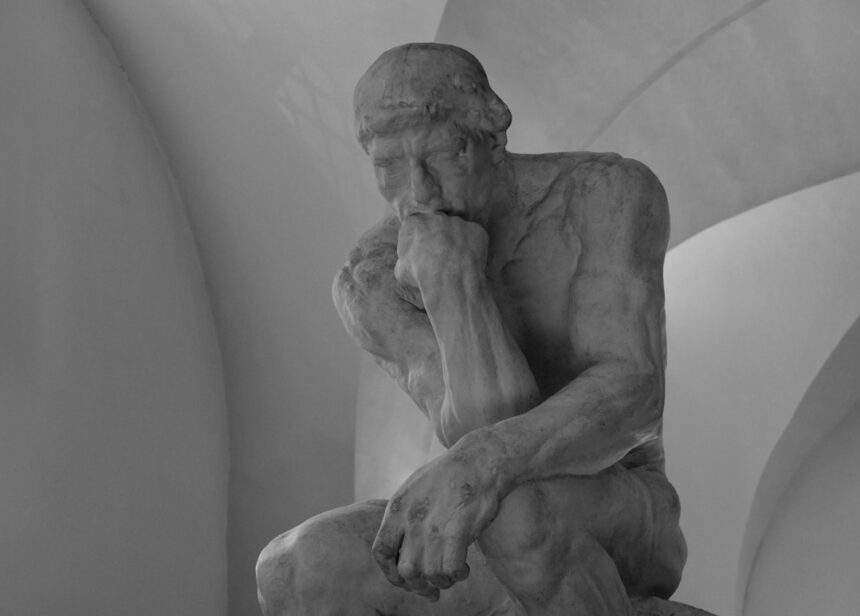
As you navigate the complex currents of existence, you might find yourself contemplating the nature of reality, morality, and purpose. These are not merely intellectual exercises; they are the very bedrock of your mental well-being. Philosophy, often perceived as an abstract and esoteric discipline, is, in fact, a powerful tool for cultivating a robust and resilient mind. You are, after all, a thinking being, and the quality of your thoughts profoundly impacts the quality of your life. This exploration will demonstrate how engaging with philosophical concepts can illuminate your inner landscape, providing you with frameworks for understanding, coping, and flourishing.
Your inner compass, that intuitive sense of direction and purpose, can often feel erratic or even broken in the face of life’s challenges. Philosophy acts as a precise calibrator, helping you understand the readings and set a more accurate course. It doesn’t offer ready-made answers, but rather provides the methodologies and historical precedents for constructing your own.
Deciphering the Riddle of Existence: Existentialism and Meaning
You, like all humans, are confronted with the fundamental question of existence. Why are you here? What is the point of it all? Existentialist philosophers, such as Jean-Paul Sartre and Albert Camus, delve into this profound inquiry, often highlighting the inherent meaninglessness of the universe in itself. This might initially sound bleak, but existentialism offers a crucial pivot: if the universe doesn’t inherently provide meaning, then you are free to create it.
For instance, Sartre’s concept of “existence precedes essence” posits that you are born without a predetermined purpose. Your choices and actions, therefore, define who you are. This can be empowering. Instead of passively waiting for meaning to be bestowed upon you, you actively forge it through your commitments, relationships, and pursuits. This active engagement can be a powerful antidote to feelings of anomie and despair, fostering a sense of personal agency and responsibility for your own life’s narrative. You are the author of your story, not merely a character in someone else’s.
Navigating Ethical Labyrinths: Utilitarianism, Deontology, and Virtue Ethics
Life confronts you with numerous ethical dilemmas, from the seemingly trivial to the profoundly impactful. How you approach these dilemmas significantly affects your self-perception and your interactions with the world. Philosophical ethics offers structured approaches to moral reasoning, helping you navigate these labyrinthine choices.
- Utilitarianism, championed by thinkers like Jeremy Bentham and John Stuart Mill, suggests that the most ethical action is the one that maximizes overall happiness or well-being for the greatest number of people. When faced with a decision, you might consider the consequences of each potential action and select the one that produces the most beneficial outcome for the collective. This framework can provide a clear, albeit sometimes challenging, guide for ethical decision-making, particularly in societal contexts.
- Deontology, associated with Immanuel Kant, emphasizes moral duties and rules. Kant argued that certain actions are inherently right or wrong, regardless of their consequences. For example, lying is considered inherently wrong because it violates a universal moral law. By adhering to a set of moral principles, you establish a consistent ethical foundation, which can bring a sense of order and predictability to your moral landscape. This commitment to principles can be a source of personal integrity and inner peace, as you know you are striving to act in accordance with what you believe is right.
- Virtue Ethics, rooted in the teachings of Aristotle, focuses on the development of virtuous character traits. Instead of asking “What should I do?”, virtue ethics asks “What kind of person should I be?”. Aristotle identified virtues like courage, temperance, and justice as essential for eudaimonia, a term often translated as “flourishing” or “living well.” By consciously cultivating these virtues, you actively shape your character, leading to more consistent and ethically sound behavior, and ultimately, a more fulfilling life. You are not just performing actions, but becoming a better person through them.
The intricate relationship between philosophy and mental health is explored in depth in the article found at Unplugged Psych. This piece delves into how philosophical concepts can provide valuable insights into mental well-being, offering frameworks for understanding personal experiences and fostering resilience. By examining the ways in which philosophical thought intersects with psychological practices, the article highlights the potential for a more holistic approach to mental health that incorporates both philosophical inquiry and therapeutic techniques.
The Philosophical Toolkit for Emotional Regulation
Emotional turbulence is an inherent part of the human experience. However, the intensity and duration of these emotional storms can significantly impact your mental well-being. Philosophy provides a robust toolkit for understanding, processing, and even modulating your emotional responses, acting as a sturdy sailboat against the battering waves.
Stoicism: Cultivating Inner Fortitude in the Face of Adversity
Perhaps no philosophical school has offered more practical advice for emotional regulation than Stoicism. Thinkers like Seneca, Epictetus, and Marcus Aurelius provided frameworks for distinguishing between what you can control and what you cannot. This distinction is paramount for emotional resilience.
- The Dichotomy of Control: Stoicism’s central tenet lies in recognizing that you have control over your judgments, desires, and actions, but not over external events or the actions of others. For example, you cannot control the weather, but you can control your reaction to it. This realization shifts your focus from external circumstances, which are often sources of frustration and anxiety, to your internal responses, where your true power lies. By concentrating your efforts on what is within your sphere of influence, you mitigate the impact of uncontrollable external factors on your emotional state.
- Reframing Adversity: Stoics actively practiced reframing adversity. Instead of viewing challenges as inherently negative, they saw them as opportunities for growth and the exercise of virtue. A difficult situation, for example, is not just a source of pain; it is a chance to practice patience, resilience, or courage. This shift in perspective transforms obstacles into training grounds for your character, strengthening your resolve and fostering a sense of mastery over your inner world. You are not a victim of circumstance, but an active participant in your own development.
- Premeditation of Evils (Praemeditatio Malorum): This Stoic practice involves mentally preparing for potential misfortunes. By anticipating challenges, you can mentally rehearse your responses, reducing the shock and emotional impact should they occur. This isn’t about dwelling on negativity, but rather about proactive preparedness, much like a sailor checking their ropes before a storm. This mental rehearsal can significantly lessen the sting of unexpected setbacks, allowing you to react with greater composure and rationality.
Epicureanism: Redefining Pleasure and Minifying Pain
Often misunderstood as a philosophy of hedonism, Epicureanism, founded by Epicurus, actually advocates for a nuanced approach to pleasure and pain. Its core aim is ataraxia (freedom from disturbance) and aponia (absence of pain).
- Categorizing Desires: Epicurus distinguished between natural and necessary desires (like food, shelter, friendship), natural but unnecessary desires (like gourmet meals, luxurious homes), and unnatural and unnecessary desires (like fame, wealth beyond sustenance). He argued that focusing on fulfilling natural and necessary desires leads to the greatest happiness and minimizes suffering. Chasing after unnecessary desires, he believed, leads to endless striving and dissatisfaction. By simplifying your desires, you reduce the sources of frustration and enhance your appreciation for life’s simple, yet profound, pleasures.
- The Absence of Pain as the Highest Pleasure: For Epicurus, the highest pleasure was not found in excessive indulgence, but in the absence of pain and mental disturbance. This means cultivating a peaceful mind free from anxiety and fear. By actively avoiding sources of pain (both physical and mental) and focusing on contentment with what you have, you can achieve a state of tranquil happiness. You are not pursuing fleeting highs, but a sustained sense of well-being.
Epistemology: Understanding the Architecture of Your Beliefs

How do you know what you know? What constitutes reliable knowledge? These are epistemological questions that, when explored, can significantly impact your mental clarity and reduce cognitive dissonance. You are constantly bombarded with information, and knowing how to critically evaluate it is crucial for a stable mind.
Challenging Cognitive Biases: A Socratic Approach to Self-Examination
You are susceptible to a multitude of cognitive biases, unconscious errors in thinking that can distort your perception of reality and lead to flawed conclusions. Philosophy, particularly the Socratic method, provides a powerful tool for recognizing and challenging these biases.
Socrates’ famous method of questioning involves a systematic process of probing assumptions and beliefs. By engaging in self-Socratic dialogue, you can expose inconsistencies in your own reasoning. For example, if you hold a strong belief about a particular political issue, you can question the evidence you have for that belief, consider alternative perspectives, and identify any emotional attachments that might be influencing your judgment. This process, while sometimes uncomfortable, leads to a more nuanced and accurate understanding of the world, reducing the mental strain caused by holding contradictory or poorly supported beliefs. You are not just accepting ideas; you are scrutinizing them.
The Problem of Certainty: Embracing Intellectual Humility
Many philosophical traditions, from ancient skepticism to modern epistemology, highlight the inherent limitations of human knowledge. The realization that absolute certainty is often unattainable can be liberating, fostering intellectual humility and open-mindedness.
Instead of clinging rigidly to opinions, you can adopt a more provisional stance, acknowledging that your current understanding is subject to revision in light of new evidence. This intellectual flexibility reduces the stress associated with being “right” and makes you more receptive to learning and growth. You are not a repository of infallible truths; you are a perpetual student of existence. This outlook helps dismantle the mental barriers that can arise from dogmatism and intellectual arrogance, fostering a more adaptable and resilient mind.
Aesthetics and the Cultivation of Your Inner World

Your mental well-being is not solely a matter of logical reasoning; it is also profoundly influenced by the beauty and meaning you perceive in the world around you. Aesthetics, the branch of philosophy dealing with the nature of beauty, art, and taste, plays a vital role in enriching your inner landscape.
Finding Meaning in Art: Reflection and Catharsis
Engaging with art in its various forms—music, literature, visual arts—provides avenues for emotional expression, catharsis, and the exploration of complex human experiences. When you encounter a piece of art that resonates deeply with you, it can act as a mirror, reflecting your own emotions and thoughts, or as a window, offering new perspectives.
For example, engaging with a poignant novel allows you to experience the struggles and triumphs of fictional characters, often prompting you to reflect on your own life circumstances. This imaginative engagement can lead to a deeper understanding of your own emotions and motivations, providing a safe space for processing difficult feelings. The cathartic release experienced through art can be profoundly therapeutic, offering an outlet for pent-up emotions and promoting emotional balance. You are not merely observing; you are experiencing.
The Beauty of Everyday Life: Cultivating an Aesthetic Sensibility
Aesthetics isn’t limited to grand artworks. It also involves cultivating an appreciation for the beauty inherent in everyday life. The intricate patterns of a leaf, the interplay of light and shadow, the rhythm of a conversation—these everyday occurrences can be sources of profound aesthetic pleasure if you train yourself to perceive them.
By consciously seeking out and appreciating these small beauties, you enrich your daily experience, fostering a sense of gratitude and mindfulness. This practice shifts your attention away from mundane concerns and toward the subtle wonders that often go unnoticed. It transforms your perception of the world, turning the ordinary into something extraordinary, and enhancing your overall sense of well-being. You are not just living; you are noticing.
The intricate relationship between philosophy and mental health has been explored in various contexts, highlighting how philosophical concepts can influence our understanding of well-being. For instance, the article on Unplugged Psych delves into how philosophical frameworks can provide valuable insights into mental health practices and personal growth. By examining the ways in which philosophical thought intersects with psychological principles, we can gain a deeper appreciation for the complexities of the human mind. To learn more about this fascinating connection, you can read the full article here.
Metaphysics: Understanding the Fabric of Reality
| Aspect | Philosophical Concept | Impact on Mental Health | Example or Metric |
|---|---|---|---|
| Existentialism | Search for meaning and purpose | Helps reduce anxiety by providing a framework to understand suffering and existence | Studies show existential therapy reduces anxiety symptoms by 30% |
| Stoicism | Focus on controlling reactions, acceptance of fate | Improves emotional resilience and reduces stress | Participants practicing Stoic exercises report 25% decrease in stress levels |
| Mindfulness (Buddhist Philosophy) | Present moment awareness and non-judgmental observation | Reduces symptoms of depression and anxiety | Mindfulness-based cognitive therapy reduces relapse rates in depression by 40% |
| Ethics and Morality | Understanding right and wrong, personal values | Enhances self-esteem and reduces cognitive dissonance | Strong moral alignment correlates with 20% higher life satisfaction scores |
| Philosophical Counseling | Use of philosophical dialogue to address mental distress | Provides alternative coping strategies and cognitive reframing | Clients report 35% improvement in coping skills after sessions |
Metaphysics, the branch of philosophy that investigates the fundamental nature of reality, including the relationship between mind and matter, substance and attribute, and potentiality and actuality, might seem far removed from daily concerns. However, your underlying assumptions about the nature of reality profoundly shape your worldview and, consequently, your mental well-being.
The Mind-Body Problem: Integrating Your Physical and Mental Self
One of the oldest and most enduring metaphysical questions is the mind-body problem: how are your conscious experiences related to your physical brain? Various philosophical positions, from substance dualism to physicalism, offer different answers. While there’s no universally accepted solution, engaging with these different perspectives can help you conceptualize the relationship between your mental and physical states.
Understanding that your mental states can influence your physical health, and vice-versa, is crucial for holistic well-being. For example, if you believe your thoughts are merely epiphenomena of brain activity, you might approach mental health differently than if you believe in a distinct, non-physical mind. Philosophical reflection encourages you to consider these connections more deeply, fostering a more integrated understanding of yourself. You are not just a collection of parts; you are a unified being.
Free Will vs. Determinism: Taking Ownership of Your Choices
Another powerful metaphysical debate revolves around free will versus determinism. Do you genuinely have free will, or are your choices predetermined by prior causes? This question has significant implications for your sense of responsibility, guilt, and purpose.
While extreme determinism might lead to a sense of fatalism, and radical libertarian free will might overlook the influence of biological and environmental factors, engaging with this debate can help you find a more balanced perspective. Many contemporary philosophers propose compatibilist views, suggesting that free will and determinism are not mutually exclusive. Recognizing the constraints on your choices while still affirming your capacity for conscious decision-making can be incredibly empowering. It allows you to take ownership of your actions without succumbing to paralyzing guilt or responsibility for factors beyond your control. You are an agent shaping your destiny, even within certain boundaries.
In conclusion, you are not merely a passive recipient of external stimuli; you are an active interpreter and constructor of your own reality. Philosophy offers you the conceptual tools, historical wisdom, and intellectual frameworks to enhance this active engagement. By calibrating your inner compass, managing your emotions, scrutinizing your beliefs, appreciating beauty, and understanding the fundamental nature of reality, you embark on a profound journey of self-discovery and mental flourishing. Engaging with philosophy is not a luxury for the academic elite; it is a vital practice for anyone seeking a more meaningful, resilient, and well-lived life.

Michel de Montaigne Philosophy for Anxiety Relief
FAQs
What is the relationship between philosophy and mental health?
Philosophy explores fundamental questions about existence, knowledge, and ethics, which can influence how individuals understand and approach mental health. Philosophical perspectives can provide frameworks for interpreting mental health experiences and inform therapeutic practices.
How can philosophy contribute to mental health treatment?
Philosophy can contribute by offering ethical guidance, promoting critical thinking, and encouraging reflective practices. Philosophical counseling and existential therapy are examples where philosophical concepts help individuals find meaning, cope with distress, and improve mental well-being.
Are there specific philosophical theories related to mental health?
Yes, several philosophical theories relate to mental health, including existentialism, which focuses on meaning and individual freedom; stoicism, which emphasizes emotional resilience; and phenomenology, which studies subjective experience. These theories can shape approaches to understanding and managing mental health.
Can studying philosophy improve mental health?
Studying philosophy can enhance mental health by fostering self-awareness, critical thinking, and emotional regulation. Engaging with philosophical ideas may help individuals develop coping strategies, clarify values, and find purpose, all of which contribute to psychological well-being.
Is philosophical counseling a recognized mental health practice?
Philosophical counseling is an emerging practice that uses philosophical dialogue to address personal issues and mental distress. While not a replacement for clinical mental health treatment, it is recognized as a complementary approach that can support mental health through reflective and ethical inquiry.