
Anxiety, at its root, is often characterized by a persistent feeling of unease, worry, or fear. It’s a natural human response to perceived threats, a biological alarm system designed to prepare you for danger. However, for individuals experiencing anxiety disorders, this alarm system becomes oversensitive, triggering at situations that are not inherently life-threatening. This heightened state of alert can manifest physically through symptoms like a racing heart, shortness of breath, muscle tension, and digestive distress, and mentally through intrusive thoughts, rumination, and a pervasive sense of dread. The inability to escape these sensations often leads to a cycle of avoidance, where you steer clear of situations that trigger your anxiety, inadvertently reinforcing the fear and limiting your life experiences. This cycle creates a self-perpetuating loop, where the fear of experiencing anxiety becomes a primary source of anxiety itself.
The Biological Underpinnings of Anxiety
The biological mechanisms behind anxiety involve complex interactions within your brain and body. The amygdala, a region of your brain responsible for processing emotions, particularly fear, plays a central role. When a perceived threat is detected, the amygdala signals the hypothalamus, which in turn activates the sympathetic nervous system. This triggers the release of stress hormones like adrenaline and cortisol, preparing your body for a “fight-or-flight” response. This response is characterized by increased heart rate, blood pressure, respiration, and muscle tension, all designed to help you confront or escape danger. While this system is vital for survival, chronic anxiety can lead to a state of hypervigilance, meaning your amygdala is constantly on high alert, even in the absence of a genuine threat. This prolonged activation can have detrimental effects on your physical and mental health.
The Cognitive Landscape of Anxiety
Anxiety is not solely a biological phenomenon; it is also deeply intertwined with your thought processes. Cognitive theories of anxiety suggest that individuals prone to anxiety often engage in distorted thinking patterns. These can include catastrophic thinking, where you consistently anticipate the worst possible outcome, or probability overestimation, where you overestimate the likelihood of negative events occurring. You might also experience personalization, taking responsibility for events that are outside of your control, or dichotomous thinking, viewing situations in black and white terms with no middle ground. These cognitive biases can fuel your anxiety by creating a distorted perception of reality, making neutral or even positive situations appear threatening. The constant stream of negative thoughts can become a mental storm, making it difficult to find a sense of calm or clarity.
The Behavioral Manifestations of Anxiety
The impact of anxiety extends beyond thoughts and bodily sensations; it profoundly influences your behavior. A common behavioral response to anxiety is avoidance. You may find yourself actively avoiding situations, places, or even people that you associate with anxiety. While this might offer temporary relief, it reinforces the underlying fear and prevents you from learning that you can cope with these triggers. This can lead to a shrinking of your world, where activities you once enjoyed become inaccessible due to fear. Another behavioral manifestation is safety behaviors. These are actions you take to try and control or reduce anxiety, such as excessive reassurance seeking, checking, or avoidance of eye contact. While seemingly helpful in the moment, these behaviors can paradoxically maintain anxiety by preventing you from confronting and overcoming your fears.
The Vicious Cycle of Anxiety
The interconnectedness of your thoughts, feelings, and behaviors creates a powerful cycle that can perpetuate anxiety. Imagine your anxiety as a tangled knot. When you try to yank at one strand (avoidance), you often tighten the knot further. Your anxious thoughts can trigger physical sensations, which in turn lead to more anxious thoughts and avoidance behaviors. This creates a feedback loop where each element amplifies the others. This cycle can feel daunting, leaving you feeling trapped and powerless. The key to breaking this cycle lies not in fighting the anxiety directly, but in shifting your relationship with it.
Practicing radical acceptance can be a transformative approach for managing anxiety, allowing individuals to embrace their feelings without judgment. For those looking to delve deeper into this concept, a related article can be found at Unplugged Psych, which offers valuable insights and practical strategies for incorporating radical acceptance into daily life. You can read more about it by visiting this link: Unplugged Psych.
The Imperative of Acceptance
Acceptance, in the context of anxiety relief, does not imply resignation or a passive embrace of suffering. Instead, it represents a fundamental shift in your approach from struggling against anxiety to acknowledging and making room for it. This is a crucial distinction. When you resist anxiety, you are essentially engaging in a battle with your own internal experiences. You may try to push away anxious thoughts, suppress uncomfortable feelings, or escape anxiety-provoking situations. This struggle, while often born of a desire for relief, paradoxically amplifies anxiety. It’s akin to trying to hold a beach ball underwater; the harder you push, the more it resists and the more energy it requires. Radical acceptance, therefore, is about disengaging from this exhausting struggle and adopting a stance of non-judgmental observation.
What Radical Acceptance Is Not
It is vital to clarify what radical acceptance is not to avoid misinterpretations. It is not about liking or approving of your anxiety. You are not expected to find pleasure in the discomfort, fear, or worry that anxiety brings. It is also not about giving up on feeling better or abandoning the pursuit of a meaningful life. Radical acceptance is not a passive surrender that leads to a state of apathy. Furthermore, it does not mean you stop taking action to manage your anxiety if you are engaged in therapeutic interventions or implementing healthy coping strategies. It is not a cure-all that magically eliminates anxiety overnight. Rather, it is a powerful tool that, when integrated with other strategies, can significantly reduce the distress associated with anxiety.
The Underlying Philosophy of Acceptance
The philosophy underpinning radical acceptance draws from various psychological traditions, including Mindfulness-Based Cognitive Therapy (MBCT) and Acceptance and Commitment Therapy (ACT). At its core, it recognizes that certain experiences—including uncomfortable thoughts and feelings—are an inherent part of the human condition. While you can learn to manage and reduce the frequency or intensity of these experiences, complete eradication is often an unrealistic goal. The pursuit of an anxiety-free existence can become a source of immense pressure and frustration, as anxiety, in its milder forms, will inevitably arise. Radical acceptance offers a more sustainable path to well-being by acknowledging this reality and teaching you to navigate it with greater ease and less suffering. It is about shifting your focus from controlling the uncontrollable to directing your energy towards what you can influence—your response to your experiences.
The Paradoxical Power of Letting Go
The concept of “letting go” is central to radical acceptance, and it often feels counterintuitive. We are conditioned to believe that control is paramount, especially when faced with distress. However, in the case of anxiety, this very desire for control can be the source of our suffering. When you try to rigidly control your thoughts and feelings, you signal to yourself that they are dangerous and must be contained. This heightened vigilance can create a self-fulfilling prophecy, making anxiety more persistent. Radical acceptance invites you to loosen your grip, to acknowledge the presence of anxiety without becoming entangled in it. This doesn’t mean you become a passive observer of your own suffering; rather, it means you cease to fight the tide and instead learn to surf its waves.
Acceptance as a Skill
It is important to understand that radical acceptance is not a static state but a skill that is cultivated through practice. Like learning to play a musical instrument or ride a bicycle, it requires dedication, patience, and consistent effort. You will not become a master of acceptance overnight. There will be days when you feel fluent, and days when you struggle. The goal is not perfection, but progress. By repeatedly engaging in practices of acceptance, you gradually retrain your mind and body to respond differently to anxious experiences. This skill allows you to approach anxiety not as an enemy to be vanquished, but as a visitor whose presence you can acknowledge without letting it dictate your life.
Practicing Non-Judgmental Observation
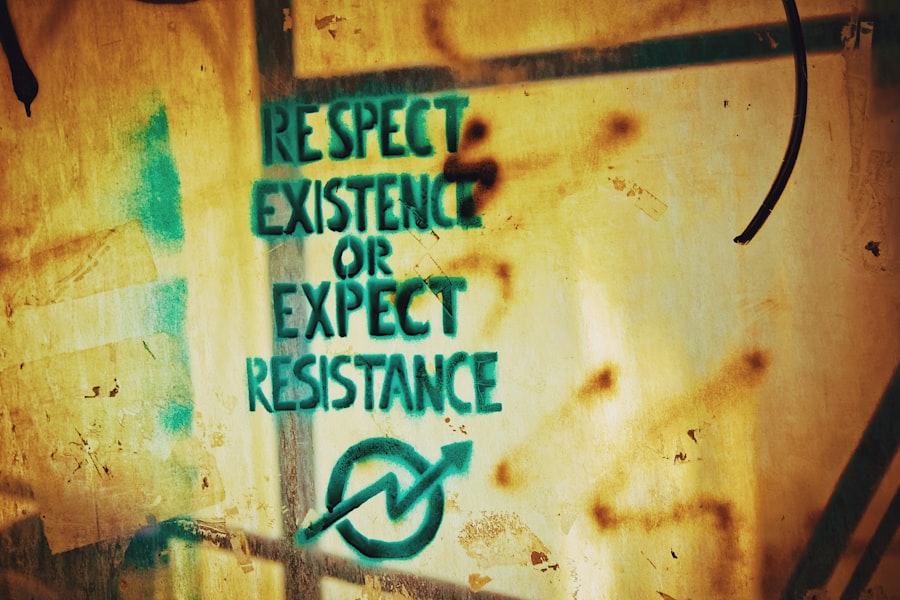
The cornerstone of embracing radical acceptance for anxiety relief is the practice of non-judgmental observation. This involves paying attention to your thoughts, feelings, physical sensations, and urges without labeling them as “good” or “bad,” “right” or “wrong.” When you experience anxiety, your mind often races with internal commentary. You might think, “I shouldn’t be feeling this,” “This is terrible,” or “I’m going crazy.” These judgments add another layer of distress to the already uncomfortable experience of anxiety. Non-judgmental observation, often cultivated through mindfulness practices, invites you to witness these internal events with an attitude of curiosity and equanimity, as if you were observing clouds drifting across the sky.
Decluttering Your Mental Space
Imagine your mind as a cluttered desk. When it’s overflowing with papers, it’s difficult to find what you need or focus on important tasks. Similarly, when your mind is filled with anxious thoughts and self-criticism, it becomes cluttered and overwhelming. Non-judgmental observation acts as a mental decluttering tool. By observing your thoughts and feelings without judgment, you begin to recognize them as transient mental events rather than inherent truths about yourself. This process of de-identification allows you to create more mental space, making it easier to access clarity and make decisions from a more grounded place. You learn to see the thoughts as simply “thoughts” and the feelings as simply “feelings,” rather than definitive pronouncements about your worth or capabilities.
Cultivating a Beginner’s Mind
A key aspect of non-judgmental observation is cultivating a “beginner’s mind,” a concept borrowed from Zen Buddhism. This involves approaching each experience with a sense of openness, curiosity, and a willingness to be surprised, as if you were encountering it for the very first time, free from preconceived notions or expectations. When you experience anxiety, your mind might automatically jump to familiar patterns of interpretation and reaction. The beginner’s mind encourages you to pause and observe the present moment of your anxiety without the filters of past experiences or future fears. This allows for a more direct and unadulterated perception of what is happening, opening up the possibility for new insights and less automatic reactivity.
Observing Thoughts as Transient Events
One of the most powerful aspects of non-judgmental observation is learning to view your thoughts as transient mental events, like leaves floating down a river. They arise, they are present for a time, and then they pass. When you have an anxious thought, the urge is often to engage with it, analyze it, dispute it, or suppress it. Non-judgmental observation encourages you to simply notice the thought, acknowledge its presence without getting swept away by its content, and then allow it to drift by. This simple act of observation can significantly diminish the power of anxious thoughts, as you learn that you don’t have to believe everything you think.
Embracing Physical Sensations without Resistance
Anxiety often manifests as a cluster of uncomfortable physical sensations – a tightness in your chest, a knot in your stomach, trembling hands. The natural inclination is to resist these sensations, to try and push them away or escape them. Non-judgmental observation extends to these physical experiences as well. It involves tuning into your body and noticing these sensations with curiosity, without labeling them as inherently bad or dangerous. You might notice the quality of the sensation – is it sharp or dull, hot or cold, localized or diffuse? By observing these sensations without judgment, you begin to de-escalate the body’s alarm response. This is not about enjoying the sensations, but about disarming their power by witnessing them without resistance.
Accepting Your Thoughts, Even the Difficult Ones
Embracing radical acceptance for anxiety relief necessitates a willingness to accept your thoughts, even the ones that are deeply uncomfortable, disturbing, or seemingly irrational. When you experience anxiety, your mind can generate a barrage of catastrophic thoughts, “what if” scenarios, and self-defeating narratives. The instinct is to fight these thoughts, to argue with them, or to try and push them away. However, this struggle is often futile and only serves to strengthen their hold. Radical acceptance suggests a different approach: to acknowledge their presence without necessarily believing them or letting them dictate your actions.
The “Thought as a Thought” Technique
A practical technique to implement this is the “thought as a thought” technique. When a distressing thought arises, you consciously remind yourself, “This is just a thought.” You can even say it out loud or write it down. This simple reframing helps to create a psychological distance between you and the thought, allowing you to see it for what it is – a product of your mind, not an objective reality. This is not about denying the validity of your feelings, but about recognizing the origin of your experience. For example, if you are worried about failing an exam, you might say to yourself, “This is a thought about failing, and it’s a feeling related to worry. It doesn’t mean I will fail.”
The Futility of Thought Suppression
Research consistently shows that attempting to suppress thoughts is counterproductive. The “white bear” phenomenon, where being told not to think of a white bear actually makes you think of one more intensely, is a clear illustration. When you try to actively push anxious thoughts out of your mind, you often end up giving them more attention, making them more persistent and intrusive. Radical acceptance, on the other hand, acknowledges that your mind will generate thoughts, and that not all thoughts are helpful or true. Instead of fighting them, you learn to let them come and go, like waves on a shore, without getting caught in their undertow.
Befriending Your Inner Critic
For many with anxiety, an inner critic is a constant companion, offering a steady stream of negative self-talk and judgment. Radical acceptance involves extending compassion and understanding towards this inner critic, not by agreeing with its pronouncements, but by recognizing its existence and the protective, albeit misguided, intention behind it. The inner critic often emerges from a desire to keep you safe, to avoid mistakes, or to prevent perceived rejection. By acknowledging its presence without engaging in a battle, you can begin to disarm its power. You might say, “I notice my inner critic is telling me I’m not good enough. I hear you, but I also recognize that this is a pattern of thought, not a reflection of my true worth.”
Allowing Doubts to Exist
Anxiety is often fueled by doubt – doubt about your abilities, your relationships, your future. Radical acceptance encourages you to allow these doubts to exist without needing to resolve them immediately or banish them entirely. Doubts are a natural part of human experience, and striving for absolute certainty can be an impossible and anxiety-provoking endeavor. Instead of demanding that your doubts disappear, you can acknowledge their presence and continue to move forward, even with them. This is akin to walking with a small stone in your shoe; it’s uncomfortable, but it doesn’t necessarily have to stop you from reaching your destination.
Practicing radical acceptance can be a transformative approach for managing anxiety, allowing individuals to embrace their feelings without judgment. For those looking to explore this concept further, a related article provides valuable insights and techniques that can enhance your understanding and application of radical acceptance in daily life. You can read more about it in this helpful resource that offers practical strategies to integrate this practice into your routine. By learning to accept situations as they are, you may find a greater sense of peace and resilience in the face of anxiety.
Accepting Your Feelings Without Judgment
| Practice | Description | Frequency | Expected Benefit | Tips |
|---|---|---|---|---|
| Mindful Awareness | Observe anxious thoughts and feelings without judgment. | Daily, 5-10 minutes | Increased emotional regulation and reduced reactivity. | Focus on breath and bodily sensations. |
| Labeling Emotions | Identify and name the specific emotions you are experiencing. | As needed during anxiety episodes | Helps create distance from anxiety and reduces overwhelm. | Use simple emotion words like “fear,” “worry,” or “stress.” |
| Acceptance Statements | Repeat phrases like “It is what it is” or “I accept my feelings.” | Multiple times daily | Promotes acceptance and reduces resistance to anxiety. | Say statements gently and with intention. |
| Letting Go of Control | Practice releasing the need to control anxious thoughts or outcomes. | Daily reflection | Decreases anxiety intensity and increases peace of mind. | Visualize anxiety as clouds passing by. |
| Self-Compassion | Offer kindness to yourself when anxiety arises. | Daily or during anxiety episodes | Improves resilience and reduces self-criticism. | Use comforting self-talk and gentle gestures. |
Just as with thoughts, radical acceptance extends to your feelings. Anxiety manifests as a spectrum of uncomfortable emotions: fear, dread, apprehension, nervousness, and a general sense of unease. The natural human response to these unpleasant feelings is to resist them, to try and escape them, or to judge yourself for having them. However, this resistance often amplifies the intensity of the feeling and prolongs its duration. Radical acceptance encourages you to meet these feelings with an open embrace, not because you enjoy them, but because resisting them is an exhausting and often ineffective battle.
The Analogy of the Storm
Your feelings, particularly those associated with anxiety, can be likened to a turbulent storm. When a storm hits, you can try to brace yourself against the wind and rain, fighting its force. This will likely leave you battered and exhausted. Alternatively, you can acknowledge the storm’s presence, find shelter if possible, and understand that storms, while powerful, are temporary. Radical acceptance encourages the latter approach. You acknowledge the emotional “storm” without judging yourself for experiencing it. You understand that just as storms pass, so too will the intensity of your anxious feelings.
Emotional Labeling vs. Emotional Experience
There is a difference between experiencing an emotion and labeling it. When you label a feeling as “bad” or “unacceptable,” you are adding a layer of judgment. Radical acceptance encourages you to focus on the direct experience of the emotion itself. For instance, instead of thinking, “I am feeling anxious, and that’s terrible,” you might acknowledge, “There is a sensation of tightness in my chest, a racing heart, and a feeling of unease. This is what anxiety feels like in this moment.” This descriptive, non-judgmental approach allows you to observe the emotion without getting caught up in the narrative of its awfulness.
The Uncomfortable Truth of Impermanence
Many anxious feelings stem from a deep-seated desire for permanence and a fear of change. We want to feel calm and secure always, and the emergence of anxiety disrupts this desired state. Radical acceptance embraces the uncomfortable truth of impermanence. It acknowledges that emotions, like all things in life, are transient. By accepting this impermanence, you can loosen your grip on the need for constant comfort and learn to tolerate the ebb and flow of your emotional landscape. This acceptance can paradoxically lead to greater emotional stability.
Cultivating Self-Compassion Amidst Discomfort
When you are experiencing intense anxiety, it is easy to turn inward with self-criticism. “Why can’t I just snap out of this?” you might ask yourself. Radical acceptance is deeply intertwined with self-compassion. It involves treating yourself with the same kindness, understanding, and empathy that you would offer to a dear friend who is struggling. When an uncomfortable feeling arises, instead of berating yourself, you can offer yourself a gesture of kindness, such as placing a hand on your heart, and say, “This is difficult right now, and it’s okay to feel this way.” This act of self-compassion can significantly reduce the distress associated with anxiety.
Integrating Acceptance into Daily Life
Embracing radical acceptance for anxiety relief is not a one-time event; it is an ongoing practice that requires consistent integration into your daily life. This means weaving the principles of non-judgmental observation and acceptance into your everyday experiences, even when you are not actively experiencing high levels of anxiety. The more you practice these skills during calmer periods, the more readily available they will be when you need them most. This proactive integration can act as a form of emotional resilience, building your capacity to navigate challenges with greater ease.
Mindful Moments Throughout Your Day
Dedicate small pockets of time throughout your day for mindful moments. This could involve taking a few conscious breaths while waiting in line, savoring the taste of your food during a meal, or paying attention to the sensations of your feet on the ground as you walk. These brief pauses allow you to practice present-moment awareness and non-judgmental observation, reinforcing the skills you are cultivating. Even thirty seconds of mindful breathing can interrupt automatic anxious thought patterns and bring you back to a more grounded state.
The “Pause and Acknowledge” Strategy
When you notice the early signs of anxiety – a tightening in your chest, a racing thought, a feeling of unease – implement a “pause and acknowledge” strategy. Instead of immediately reacting or trying to suppress the feeling, consciously pause. Take a breath and intentionally acknowledge what you are experiencing. You might say to yourself, “I’m noticing some anxiety arising. It feels like [describe sensation/feeling]. I can allow this to be here for now.” This simple act interrupts the immediate escalation of anxiety and creates an opportunity for a more measured response.
Challenging Avoidance Behaviors
Radical acceptance directly confronts avoidance behaviors. When you notice yourself wanting to steer clear of a situation that triggers anxiety, gently challenge this urge. Consider taking small, manageable steps towards engaging with the feared situation. This doesn’t mean plunging into the deep end; it means taking a toe dip. For example, if you fear crowded places, start by standing outside a busy shop for a few minutes, then gradually increase your exposure. The act of facing your fears, even in small doses, with an attitude of acceptance, builds confidence and dismantles the power of avoidance.
Developing a Personal Acceptance Mantra
Consider developing a personal acceptance mantra that resonates with you. This is a short, powerful phrase that you can repeat to yourself during challenging moments. Examples include: “This is temporary,” “I can allow this to be,” “I am okay, even with this feeling,” or “I am more than my anxiety.” Having a pre-prepared mantra can be an invaluable tool when your mind is overwhelmed, providing a simple anchor to return to. The key is to choose a mantra that feels authentic and supportive to you.
Seeking Support and Continued Learning
Radical acceptance is a journey, and sometimes the path can be challenging. Do not hesitate to seek support from mental health professionals, therapists, or support groups. Continuing to learn about acceptance-based therapies like ACT and MBCT can provide you with further tools and insights. Reading books, attending workshops, and engaging in online resources can deepen your understanding and practice of radical acceptance, solidifying its role as a powerful ally in your journey towards anxiety relief. Remember, building this skill is an investment in your long-term well-being.

Michel de Montaigne Philosophy for Anxiety Relief
FAQs
What is radical acceptance?
Radical acceptance is a mindfulness-based practice that involves fully accepting reality as it is, without judgment or resistance. It helps individuals acknowledge their feelings and situations, especially difficult or painful ones, to reduce emotional suffering.
How does radical acceptance help with anxiety?
Radical acceptance helps reduce anxiety by encouraging individuals to stop fighting or denying their anxious thoughts and feelings. By accepting anxiety without judgment, people can decrease the intensity of their emotional distress and respond more calmly to stressful situations.
What are the basic steps to practice radical acceptance?
The basic steps include: recognizing and acknowledging the reality of the situation, accepting it without trying to change or resist it, allowing yourself to feel emotions fully, and focusing on what can be controlled rather than what cannot.
Can radical acceptance be used alongside other anxiety treatments?
Yes, radical acceptance can complement other treatments such as cognitive-behavioral therapy (CBT), medication, and relaxation techniques. It is often integrated into dialectical behavior therapy (DBT) and mindfulness practices to enhance overall anxiety management.
How long does it take to see benefits from practicing radical acceptance?
The time frame varies for each individual. Some people may notice reduced anxiety and improved emotional regulation within a few weeks of consistent practice, while for others, it may take longer. Regular practice and patience are key to experiencing the full benefits.