
Panic attacks manifest as sudden surges of intense fear or discomfort, often accompanied by distressing physical symptoms. For individuals experiencing these episodes, the world can suddenly shrink, becoming a terrifying landscape dominated by overwhelming sensations. While modern medicine offers pharmaceutical and therapeutic interventions, understanding and integrating ancient philosophical principles, particularly those of Stoicism, can provide powerful tools for navigating and ultimately overcoming these challenges. Stoicism, a philosophy rooted in ancient Greece and Rome, emphasizes reason, virtue, and acceptance of what lies beyond our control. By applying its core tenets, you can cultivate a resilience that acts as an anchor in the storm of panic.
For those seeking a philosophical approach to overcoming panic attacks, the article available at Unplugged Psych offers insightful strategies that blend cognitive behavioral techniques with mindfulness practices. This resource emphasizes the importance of understanding one’s thoughts and emotions, encouraging individuals to confront their fears through a reflective lens. By integrating philosophical concepts with practical exercises, readers can find a pathway to manage anxiety and cultivate a sense of inner peace.
Understanding the Nature of Panic: A Stoic Perspective
Panic attacks, from a Stoic viewpoint, represent a disturbance in your judgments and an overestimation of external threats compared to your inner capacity to cope. Your mind, in a state of panic, becomes a crowded marketplace where irrational fears shout louder than reasoned thoughts. It becomes entangled in the perceived power of external events – the racing heart, the shortness of breath, the feeling of impending doom – as if these sensations are inherently catastrophic.
The Illusion of External Control
A fundamental tenet of Stoicism is the dichotomy of control. You have direct control only over your own thoughts, judgments, actions, and desires. Everything else – your body’s involuntary functions, the opinions of others, external circumstances, and even the occurrence of a panic attack itself – falls into the category of externals, which are ultimately indifferent to your well-being. Panic thrives on the misconception that these externals hold ultimate power over you, and that their presence signals irreparable harm. You see the racing heart and believe it is a harbinger of a heart attack, failing to recognize it as merely a physiological response, a sensation that, while unpleasant, does not equate to actual physical destruction. This is akin to a sailor fearing the waves themselves rather than focusing on steering the ship through them.
The Role of Impending Doom in Panic
The feeling of “impending doom” is a hallmark of panic attacks. This sensation arises from your assent to the irrational fears your mind generates. You grant these fears the status of truth, believing that the worst possible outcome is not only possible but imminent. Stoicism posits that it is not the external events themselves that disturb us, but our interpretations of those events. The racing heart is not the threat; the belief that the racing heart signifies immediate death is the perceived threat. You are not attacked by the feeling; you are attacked by your reaction to the feeling. This is like a guard mistaking a shadow for an approaching enemy and sounding the alarm, plunging the entire fortress into panic over a harmless phantasm.
Differentiating Between Sensations and Interpretations
Stoicism urges you to discriminate between what is happening and what you are thinking about what is happening. A panic attack delivers a cascade of intense physical sensations: palpitations, breathlessness, dizziness, trembling, chest tightness, and the fear of losing control or going mad. These are indeed potent and alarming. However, they are ultimately impressions – fleeting and transient. The Stoic practice involves observing these impressions without immediately assenting to their terrifying narratives. You must learn to be the detached observer of your own internal theatre, recognizing the dramatic cues for what they are, rather than being swept away by the plot. Your body is a complex machine, and sometimes it initiates its alarm systems, much like a smoke detector that can be triggered by burnt toast. The alarm itself is not the fire.
Cultivating Resilience Through Stoic Principles

Stoicism offers a robust framework for building inner fortitude. It is a philosophy of the workshop, not the ivory tower, designed to be applied in the crucible of life’s challenges. By diligently practicing its principles, you can construct an internal fortress that can withstand the assaults of panic.
The Virtue of Wisdom: Understanding Your Nature
Wisdom, in the Stoic sense, is the understanding of what is truly good and bad. The Stoics considered virtue – wisdom, justice, courage, and temperance – to be the sole good, and vice to be the sole evil. Everything else, including health, wealth, reputation, and even the absence of panic, are considered indifferents. They can be used well or poorly, but they do not inherently contribute to or detract from your flourishing. For you, this means recognizing that the absence of a panic attack is not the ultimate goal, but rather the development of a virtuous character capable of facing any circumstance with equanimity. The wisdom here lies in understanding that your inherent worth and ability to navigate life are not diminished by an occasional panic attack. You are not defined by your moments of fear, but by your underlying capacity for reason and resilience.
The Importance of Reason and Judgment
Reason is your most potent weapon against panic. Stoicism teaches that our emotions, particularly negative ones like fear and anxiety, often stem from faulty reasoning and irrational judgments. When a panic attack strikes, your rational mind often takes a backseat to primal fear. The Stoic discipline involves the constant practice of critical self-examination, questioning your immediate assumptions and judgments about a situation. You must become a detective of your own mind, interrogating the thoughts that fuel the panic. Is this sensation truly a threat to my life, or is it an unpleasant but ultimately harmless bodily response? This is akin to a skeptical historian examining evidence, refusing to accept every sensational claim at face value.
The Role of Acceptance and Amor Fati
A cornerstone of Stoicism is the concept of acceptance, or amor fati – the love of fate. This does not imply passive resignation, but a profound understanding that attempting to fight or deny what is beyond your control is a futile and ultimately frustrating endeavor. When you experience a panic attack, fighting against the sensations often amplifies them. Your struggle becomes a feedback loop, making the experience more intense. Instead, embrace the principle of amor fati. Accept that, in this moment, your body is experiencing these sensations. This does not mean you condone them or are happy they are happening, but that you cease expending energy resisting them. You are not surrendering to the panic; you are disarming it by refusing to engage in a futile battle. This acceptance is like a skilled sailor learning to read the wind and adjust their sails, rather than demanding the wind blow in a specific direction.
Practical Stoic Techniques for Managing Panic
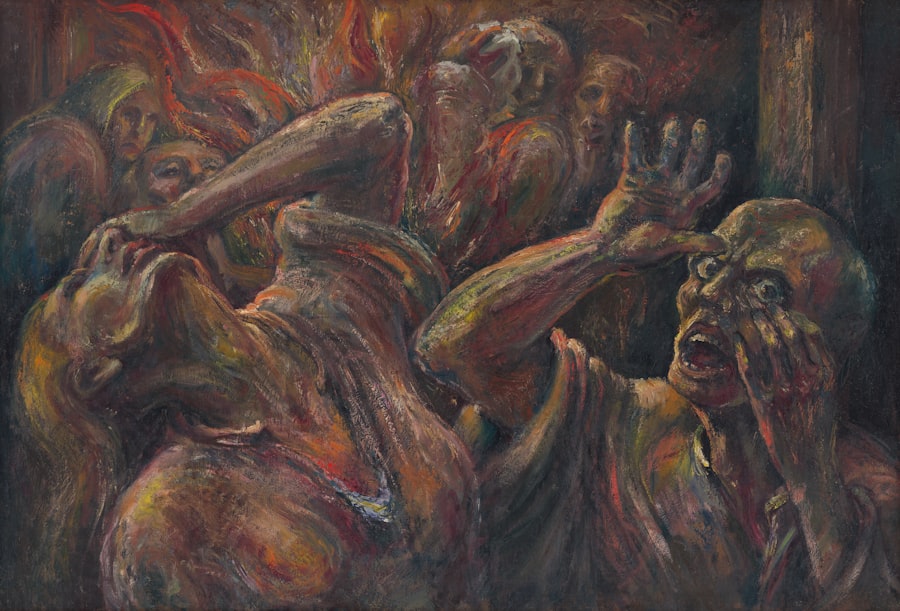
Stoicism is not just a theoretical framework; it offers practical, actionable techniques that you can integrate into your daily life and utilize during moments of distress.
Premeditatio Malorum: Preparing for Adversity
The practice of premeditatio malorum translates to the “premeditation of evils.” This involves mentally rehearsing potential difficulties and adversities, not to dwell on them morbidly, but to mentally prepare for them and consider how you would respond virtuously. For you, this might involve imagining a panic attack occurring and reflecting on how you would apply Stoic principles during such an event. What would you tell yourself? What judgments would you actively challenge? This mental rehearsal acts as a form of inoculation, reducing the shock and surprise when a panic attack does occur. It’s like a firefighter practicing drills to be ready for a real blaze, so that when the alarm sounds, their response is trained and effective.
The Objective Description of Impressions
When you feel the onset of panic, practice describing the sensations in a purely objective, dispassionate manner. Instead of “I am dying!” or “I can’t breathe!”, try “My heart is beating rapidly.” “I feel a tightness in my chest.” “My hands are tingling.” This technique, central to Stoic practice, involves detaching yourself from the emotional narrative and focusing on the raw sensory data. By describing the sensations as neutral physical events, you begin to strip them of their terrifying power. You are not the victim of an overwhelming force; you are an observer of physiological phenomena. This is like a scientist meticulously documenting an experiment, focusing on the data without projecting emotional interpretations onto it.
The Power of Virtue as Your True Refuge
Remember that your true refuge lies not in the external absence of panic, but in the cultivation of your inner character. When you feel the grip of panic, draw upon the Stoic virtues.
Wisdom in Recognizing the Temporary Nature of Panic
Wisdom allows you to recognize that panic, like all feelings, is temporary. It is a wave that will eventually crest and recede. By calling upon your understanding of the impermanence of all things, you can lessen the urgency and perceived permanence of the panicked state. You have ridden these waves before, and you will ride them again. This is the wisdom of the wise sailor who knows that no storm lasts forever.
Courage in Facing the Sensations
The virtue of courage is not the absence of fear, but the willingness to act in its presence. Facing the physical sensations of a panic attack with a degree of courage means not running from them, but standing your ground, observing them, and continuing with your reasoned responses. You are not fighting the sensations; you are demonstrating the courage to experience them without letting them dictate your actions or your sense of self. This is the courage of a soldier who stands firm in the face of adversity, not because they feel no fear, but because they are committed to their duty.
Justice in Treating Yourself with Fairness
Justice, in this context, involves treating yourself fairly and equitably. Panic attacks can lead to self-recrimination and harsh self-judgment. Stoicism encourages self-compassion and an understanding that these are physiological and psychological challenges, not moral failings. You are not being punished; you are experiencing a difficult situation. Justice demands that you extend yourself the same understanding and patience you would offer a friend facing similar struggles. This is the justice of a fair judge, impartially weighing the circumstances without prejudice.
Temperance in Moderating Your Reactions
Temperance, or self-control, is crucial in managing your reactions to panic. It involves moderating your immediate impulses to escape or desperately seek relief. By practicing temperance, you can avoid exacerbating the panic through frantic efforts to suppress it. You learn to breathe through the intensity, to remain present, and to resist the urge to act rashly. This is the temperance of a skilled artisan, carefully controlling their tools to achieve a desired outcome, rather than wildly hacking away.
A philosophical approach to overcoming panic attacks can provide valuable insights into managing anxiety and fostering resilience. By exploring the underlying beliefs and thought patterns that contribute to these experiences, individuals can cultivate a greater sense of control and understanding. For those interested in delving deeper into this topic, a related article can be found at Unplugged Psych, which discusses various strategies and philosophical perspectives that can aid in navigating the challenges of panic attacks.
Integrating Stoicism into Daily Life: A Long-Term Strategy
| Philosophical Approach | Key Concept | Method | Effectiveness | Example Practice |
|---|---|---|---|---|
| Stoicism | Control what you can, accept what you cannot | Focus on rational evaluation of panic triggers and acceptance of uncontrollable events | Moderate to High | Reflective journaling on thoughts and emotions during panic episodes |
| Existentialism | Finding meaning in suffering | Confronting anxiety by embracing freedom and personal responsibility | Moderate | Mindful meditation on personal values and life purpose |
| Buddhism | Mindfulness and impermanence | Observing panic sensations without attachment or judgment | High | Mindfulness breathing exercises during panic attacks |
| Existential Phenomenology | Awareness of lived experience | Describing and accepting the experience of panic without avoidance | Moderate | Guided self-reflection and acceptance practices |
| Pragmatism | Focus on practical outcomes | Testing different coping strategies to find what works best personally | Variable | Behavioral experiments and adaptive coping techniques |
Overcoming panic attacks through Stoicism is not a quick fix; it is a journey of continuous practice and self-cultivation. By making these principles a part of your everyday life, you build a robust internal framework that can deflect or mitigate the impact of panic.
The Practice of Daily Reflection
Dedicate time each day for reflection. At the end of the day, consider: What challenges did you face? How did you respond? Did you act in accordance with Stoic principles? Where can you improve? This consistent self-assessment acts as a whetstone, sharpening your ability to apply Stoic wisdom when needed. It’s like a farmer tending their fields daily, ensuring growth and health, rather than waiting for a crisis to address.
Journaling as a Tool for Self-Discovery
Maintain a journal where you can record your thoughts, feelings, and experiences. This can be a safe space to explore the triggers of your panic, to challenge your irrational thoughts, and to document instances where you successfully applied Stoic principles. Over time, your journal will become a testament to your progress and a valuable resource for identifying patterns and refining your strategies. This is like an explorer creating a map, charting their journey and noting significant landmarks.
Seeking Guidance from Stoic Texts and Communities
Engage with the writings of Stoic philosophers such as Marcus Aurelius, Epictetus, and Seneca. Their words offer timeless wisdom and practical advice applicable to modern life. Additionally, connecting with others who are practicing Stoicism can provide support and encouragement. Understanding that you are not alone in this pursuit can be immensely empowering. This is like a student finding mentors and joining study groups to deepen their understanding and accelerate their learning.
By embracing Stoicism, you are not seeking to eliminate all discomfort or challenge from your life. Instead, you are equipping yourself with the mental and emotional resilience to navigate the inevitable storms. You are transforming yourself into a steadfast lighthouse, casting a guiding light of reason and acceptance, even when the seas of panic rage around you. This is the profound power of a philosophy that teaches you to find your unshakable core amidst the flux of external circumstances, transforming fear into fortitude, and vulnerability into inner strength.

Michel de Montaigne Philosophy for Anxiety Relief
FAQs
What is a philosophical approach to overcoming panic attacks?
A philosophical approach to overcoming panic attacks involves using principles from philosophy, such as mindfulness, acceptance, and rational analysis, to understand and manage the experience of panic. It emphasizes changing one’s perspective on fear and anxiety rather than solely focusing on symptom elimination.
How can Stoicism help in managing panic attacks?
Stoicism teaches individuals to distinguish between what is within their control and what is not. By focusing on controlling their reactions and accepting external events, people can reduce the intensity of panic attacks and develop resilience against anxiety triggers.
Is mindfulness considered a philosophical method for dealing with panic attacks?
Yes, mindfulness has roots in Eastern philosophy and is widely used as a technique to observe thoughts and feelings without judgment. This awareness helps individuals detach from panic symptoms and reduces the likelihood of escalating anxiety.
Can changing one’s beliefs about panic attacks reduce their frequency?
Yes, cognitive philosophical approaches suggest that altering irrational or catastrophic beliefs about panic attacks can lessen their impact. Understanding that panic attacks are not dangerous and are temporary can help reduce fear and prevent future episodes.
Are philosophical approaches to panic attacks used alongside medical treatments?
Often, yes. Philosophical approaches can complement medical and psychological treatments such as medication and cognitive-behavioral therapy. Integrating philosophy-based strategies can provide a holistic framework for managing panic attacks effectively.