
Healthy Relationship Care: Letting Go of Control
In the intricate garden of human connection, where the soil of mutual respect and shared experiences is tilled, the weeds of control can take root, choking out the delicate blooms of intimacy and trust. You might find yourself tending to this garden, invested in its growth and perhaps feeling a strong impulse to prune, shape, and dictate every aspect of its development. This drive, while often stemming from a place of genuine care, can inadvertently become a barrier to a truly healthy and flourishing relationship. Understanding and actively practicing the art of letting go of control is not about relinquishing responsibility or abandoning the relationship; rather, it is about cultivating an environment where both partners can thrive independently and collectively, like two complementary branches reaching for the same sun.
The desire to control aspects of a relationship often stems from a fundamental human need for security and predictability. You seek to steer the ship of your relationship through calm waters and avoid the turbulence of uncertainty. This impulse, deeply embedded in our psychology, can manifest in various ways, often subtly, making it difficult to recognize as a controlling behavior. You may believe you are simply being pragmatic, efficient, or considerate of your partner’s well-being. However, when this ingrained desire leads to micromanagement, constant questioning, or the imposition of your will, it can undermine the very foundation of a healthy partnership.
Defining Control in Relationships
Control, in the context of relationships, is the act of exerting undue influence or power over your partner’s thoughts, feelings, behaviors, or decisions. It is not about setting healthy boundaries, which are essential for mutual respect, but about dictating actions and enforcing compliance. When you operate from a place of control, you often view your partner as an extension of yourself, or as someone whose choices require your constant approval or guidance. This can range from subtle suggestions that carry an implicit demand to overt commands and manipulation.
When “Best Intentions” Become Controlling Mechanisms
It is crucial to differentiate between genuine support and controlling tendencies, even when your intentions are ostensibly positive. For example, suggesting a healthier lifestyle for your partner might be rooted in concern. However, if this transforms into monitoring their food intake, dictating their exercise routines, or expressing disappointment when they deviate, the caring intent has morphed into a controlling one. The focus shifts from their autonomy to your desired outcome, and their personal choices become a source of contention.
The Underlying Fears Driving Control
Often, the impetus behind controlling behaviors is fear. This fear can be multifaceted: fear of abandonment, fear of rejection, fear of making wrong decisions, or fear of the unknown. You might believe that by controlling your partner’s actions, you are safeguarding the relationship from potential threats or ensuring a desired future. This is akin to building a fortress around your garden to protect it; while the intention is protection, the result is isolation and a lack of natural growth. You might worry that if your partner makes “incorrect” choices, it will reflect poorly on you or lead to negative consequences that impact your shared life.
The Impact of Control on Relationship Dynamics
When control becomes a dominant force in a relationship, it creates an imbalance of power and erodes the equitable partnership that is vital for long-term health. Your partner may begin to feel stifled, resentful, and increasingly disempowered. This can lead to a gradual withdrawal of their authentic selves, as they learn that their independent thoughts and actions are not truly valued or welcomed.
The Paradox of Security: How Control Undermines Trust
Ironically, the very security that you believe control provides is often undermined by its presence. Trust is built on the foundation of vulnerability and the belief that your partner has your best interests at heart, even when you are not present to oversee them. When you exert control, you signal a lack of faith in your partner’s judgment, their intentions, and their capacity to make sound decisions. This lack of trust creates a chasm that is difficult to bridge, transforming the perceived security into a cage.
The Erosion of Individuality: Becoming One Entity Rather Than Two
A healthy relationship nurtures the individuality of each partner, allowing them to maintain their unique interests, friendships, and personal growth. When control takes hold, this individuality begins to erode. Your partner might start to suppress their own desires and opinions to avoid conflict or disapproval. Over time, the relationship can become less of a partnership between two distinct individuals and more of a single, unified entity where one person’s will dominates. This can lead to a sense of loss for both partners, even if one is the primary agent of control.
In exploring the dynamics of healthy relationships, it’s essential to understand the concept of caring without gripping, which emphasizes the importance of support and understanding without becoming overly possessive or controlling. For further insights on this topic, you can read a related article that delves into effective communication and emotional boundaries in relationships. Check it out here: Unplugged Psychology.
Recognizing Signs of Controlling Behavior
Identifying controlling tendencies is the first step towards relinquishing them. These behaviors can be subtle or overt, and they often operate under the guise of concern or help. Becoming an honest observer of your actions and interactions within the relationship is crucial for identifying these patterns.
Subtle Manifestations of Control
Not all controlling behaviors are aggressive or overtly demanding. Many are insidious, woven into everyday interactions, and may not be readily apparent.
The “Helpful” Suggestion That Becomes an Obligation
You might offer advice or suggestions that, while seemingly helpful, carry an unspoken expectation of compliance. For instance, proposing a new restaurant and then reacting with disappointment or subtly questioning your partner’s choice if they opt for something else. The underlying message is that your suggestion carries more weight and is the “correct” choice.
Monitoring and Questioning with Excessive Scrutiny
Constantly checking in on your partner’s whereabouts, who they are with, and what they are doing, beyond reasonable communication needs, can be a sign of control. This can also extend to questioning their decisions or their interactions with others in a way that suggests suspicion or a need for justification. It’s like having a constant surveillance camera on your partner’s life, always looking for deviations.
The Art of Guilt-Tripping and Emotional Blackmail
Using guilt or emotional appeals to steer your partner towards a desired outcome is a powerful tool of control. This can involve making them feel responsible for your happiness or distress if they don’t comply with your wishes. For example, saying, “If you really loved me, you would do X,” or sighing heavily when they express an intention you don’t approve of.
Overt Forms of Control
Overt controlling behaviors are typically more apparent and can be more damaging to the relationship’s foundation.
Dictating Decisions and Choices
This involves directly making decisions for your partner or insisting that they follow your preferred course of action in areas that are rightfully theirs to decide. This could range from dictating their career choices to controlling their social engagements or even their personal grooming habits.
Limiting Social Interactions and Friendships
A controlling partner may attempt to isolate their partner by discouraging or forbidding contact with certain friends or family members. This is often disguised as concern about negative influences or “wasting time,” but the underlying goal is to reduce external support systems and increase dependence on the controlling partner.
Financial Control and Manipulation
Controlling finances is a significant and often destructive form of control. This can involve withholding money, making your partner account for every penny spent, or dictating how money is earned and allocated, thereby limiting their autonomy and independence.
The Process of Letting Go: A Journey of Trust and Release

Letting go of control is not a single event but a continuous process of unlearning ingrained patterns and cultivating new ways of relating. It requires a conscious effort to shift your perspective from one of management to one of partnership and trust. This journey is an investment in the long-term health and vitality of your relationship, a willingness to allow the garden to grow organically, in its own beautiful way.
Cultivating Self-Awareness and Introspection
The bedrock of letting go is a deep and honest understanding of why you feel the need to control. This introspection is a critical first step in dismantling the ingrained patterns.
Identifying Triggers for Controlling Behaviors
Pay close attention to the situations or emotions that tend to precipitate your controlling impulses. Are you more likely to exert control when you feel anxious, insecure, or threatened? Recognizing these triggers allows you to develop strategies for managing your reactions before they manifest as controlling actions.
Challenging Your Own Beliefs About Relationships
Examine the underlying beliefs you hold about what makes a relationship “successful” or “safe.” Are these beliefs rooted in a fear of vulnerability or a misunderstanding of genuine intimacy? Often, controlling behaviors stem from a rigid and unrealistic set of expectations about how a relationship “should” function.
Practicing Trust and Empathetic Understanding
Building trust is an active and ongoing endeavor. It involves believing in your partner’s capacity for good judgment and their commitment to the relationship, even when you don’t have all the answers.
Embracing Your Partner’s Autonomy and Individuality
Recognize that your partner is a separate and whole individual with their own unique thoughts, feelings, and experiences. Their decisions, even if they differ from your own, are valid and should be respected. This means allowing them to make their own choices, learn from their own mistakes, and grow in their own way, without your constant intervention.
Active Listening and Valuing Your Partner’s Perspective
Engage in genuine listening, where you seek to understand your partner’s viewpoint without immediately formulating a rebuttal or solution. This involves asking open-ended questions, reflecting back what you hear, and validating their feelings, even if you don’t agree with their conclusions. It’s about creating a safe space for their voice to be heard and valued.
Developing Healthy Communication and Conflict Resolution Skills
Effective communication is the lifeblood of any healthy relationship, and it is especially crucial when working to let go of control.
Expressing Needs and Concerns Without Demands
Learn to articulate your needs and concerns in a clear, direct, and non-accusatory manner. Instead of saying, “You always do X wrong,” try, “I feel worried when X happens, because Y. Can we find a way to address this together?” This shifts the focus from blame to collaborative problem-solving.
Negotiating and Compromising as a Team
Healthy relationships are built on a foundation of give and take. Instead of dictating terms, be willing to negotiate and compromise. This means understanding that both partners’ needs and desires are important and that finding common ground is essential for mutual satisfaction.
Nurturing a Garden of Mutual Growth

The ultimate aim of letting go of control is to cultivate a relationship that is resilient, dynamic, and deeply fulfilling for both partners. It is about transforming the relationship from a controlled environment into a thriving ecosystem where individual strengths contribute to collective well-being.
Fostering Independence Within the Partnership
Allowing your partner the freedom to pursue their own interests and maintain their own friendships is not a threat to the relationship; it is a testament to its strength. Independent individuals bring renewed energy and different perspectives back into the partnership, enriching both lives.
Supporting Individual Passions and Pursuits
Encourage your partner’s personal hobbies, career aspirations, and social connections. Celebrating their successes and offering support during challenges, without trying to manage these aspects of their lives, strengthens their sense of self and their confidence in the relationship.
Respecting Personal Space and Time
Recognize the importance of personal space and time for each individual. This doesn’t mean complete isolation, but rather understanding and respecting the need for periods of solitude or engagement with activities outside the relationship. This allows for recharging and individual growth, which ultimately benefits the partnership.
Building a Foundation of Enduring Trust and Respect
As you consciously release the reins of control, you are actively sowing the seeds of deeper trust and profound respect. These are the fertile soils upon which enduring love flourishes.
The Reciprocal Nature of Trust
Trust is a two-way street. By demonstrating your trust in your partner, you create an environment where they are more likely to be trustworthy and open with you. This reciprocal dance of vulnerability and faith strengthens the bond between you.
The Power of Forgiveness and Moving Forward
There may be times when your controlling tendencies resurface or when missteps occur. The ability to forgive yourself and your partner, and to learn from these instances, is crucial for continued growth. Each challenge overcome becomes another layer of strength in the relationship’s foundation.
Embracing the Beauty of Imperfection and Spontaneity
A controlled environment often stifles creativity and spontaneity, leading to a predictable and perhaps monotonous existence. Embracing imperfection allows for genuine connection and the joy of the unexpected.
Allowing for Unforeseen Circumstances and Personal Growth
Life is inherently unpredictable. Rather than resisting change or trying to micromanage every outcome, learn to adapt and grow with your partner. This flexibility is a hallmark of resilient and mature relationships.
Celebrating the Unscripted Moments
The most cherished memories are often the spontaneous ones. Allowing your partner the freedom to surprise you, to initiate new experiences, and to deviate from your established routines can lead to joyous and unexpected adventures together. This willingness to embrace the unplanned allows the relationship to feel alive and vibrant.
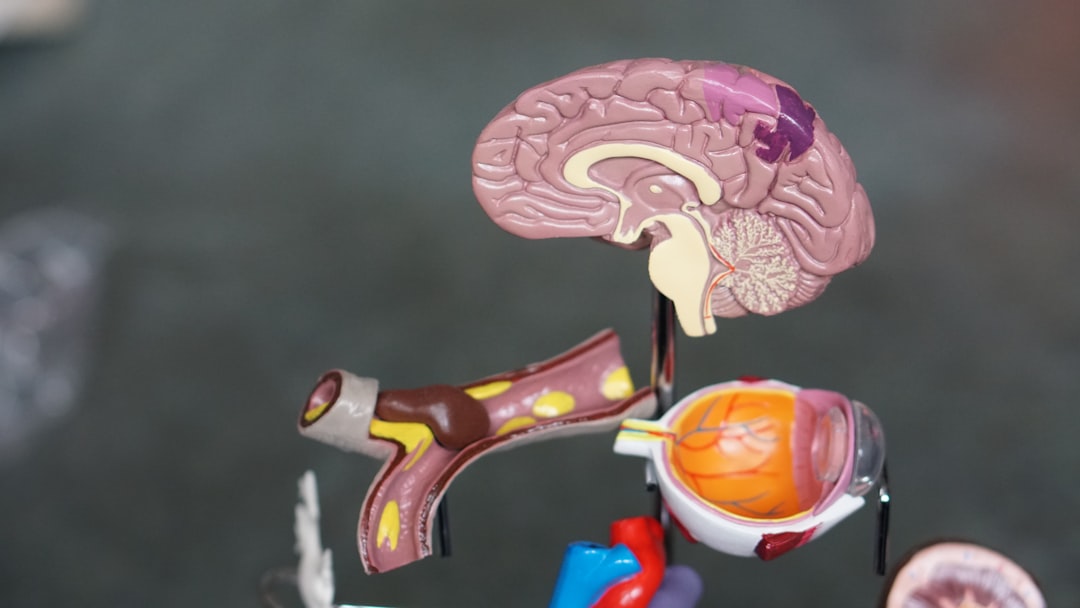
WARNING: Your Empathy Is a Biological Glitch (And They Know It)
FAQs
What does “caring without gripping” mean in relationships?
“Caring without gripping” refers to showing love and concern for a partner without being overly controlling, possessive, or clingy. It involves maintaining respect for each other’s independence while offering support and affection.
Why is it important to avoid gripping behavior in relationships?
Avoiding gripping behavior helps maintain trust, personal freedom, and emotional balance. It prevents feelings of suffocation or resentment, fostering a healthier and more sustainable relationship dynamic.
How can I show care without being controlling?
You can show care by actively listening, expressing appreciation, offering help when needed, and respecting your partner’s boundaries and decisions. Encouraging open communication and mutual respect is key.
What are signs that I might be gripping too much in my relationship?
Signs include feeling anxious when apart, frequently checking on your partner, trying to control their actions or social interactions, and experiencing jealousy or insecurity that leads to restrictive behavior.
How can couples work together to maintain a balance of care and independence?
Couples can set clear boundaries, communicate openly about their needs and feelings, support each other’s personal growth, and practice trust. Regularly discussing relationship expectations helps ensure both partners feel valued and free.