You navigate the world, a complex tapestry of sensory input and social cues. But for some, this navigation began with a heightened sensitivity, an almost preternatural awareness of their surroundings. This phenomenon, often termed “hyper-attunement,” isn’t merely a personality trait; for many, it was a finely honed survival mechanism developed in the crucible of childhood. Imagine yourself as a young sapling in a stormy forest. To survive, you either develop deep roots and a sturdy trunk, or you become incredibly flexible, swayed by every breeze yet somehow maintaining your position. Hyper-attunement is akin to the latter – a constant, almost osmotic absorption of information, driven by an unconscious imperative to anticipate and adapt.
Consider your early years. Were they marked by consistent, predictable care, a steady drumbeat of affection and safety? Or were there unpredictable shifts, a shifting landscape of emotional availability, or even outright relational instability? Hyper-attunement often sprouts from these latter conditions. It’s not a conscious choice, but an instinctual adaptation, much like a chameleon changing its coloration.
Inconsistent Nurturing Environments
If your primary caregivers were, for whatever reason, inconsistently responsive, you likely learned to become hyper-vigilant. Imagine a young deer in a glade where the mother sometimes provides comfort and food, and other times is absent or preoccupied. The fawn isn’t just waiting for care; it’s constantly scanning, listening, and interpreting every rustle of leaves, every shadow, to predict the mother’s return or the potential for danger. Similarly, as a child in an inconsistently nurturing environment, you might have developed an acute sensitivity to subtle shifts in tone of voice, facial expressions, or body language. This wasn’t merely curiosity; it was a constant assessment of your emotional “weather report” – an attempt to predict the likelihood of warmth or storm.
- Emotional Predictability as a Scarcity: When emotional predictability is a scarce resource, your developing brain prioritizes its acquisition. You become a connoisseur of micro-expressions, a polyglot of unspoken feelings.
- The Unspoken Curriculum: You weren’t explicitly taught these skills, but they were part of an “unspoken curriculum” designed for survival. You learned to read between the lines, to discern the truth hidden beneath polite smiles or strained silences.
Unpredictable Emotional Landscapes
Some childhoods are characterized by an unpredictable emotional landscape, where the internal world of a caregiver is volatile or volatilely expressed. Picture a small boat on a choppy sea. The boat’s crew (you, as a child) must be constantly aware of the waves, the wind, and the shifting currents, not just to navigate but to stay afloat. If a parent’s mood could swing from serene to stormy without warning, you, as a child, developed an internal barometer, constantly attempting to forecast the emotional climate. This could involve an almost psychic ability to sense when an argument was brewing, when anger was simmering, or when sadness was about to engulf the household.
- Emotional Contagion: You might have experienced a heightened susceptibility to emotional contagion, absorbing the prevailing mood of your environment like a sponge. This wasn’t passive; it was an active, though unconscious, attempt to understand and potentially mitigate the emotional intensity.
- The Emotional Barometer: Your internal barometer wasn’t just descriptive; it was predictive. You sought to anticipate the emotional weather not just to understand it, but to brace yourself, or even to try and change its trajectory.
Exposure to Trauma or Adversity
In environments where significant trauma, abuse, or neglect were present, hyper-attunement becomes a critical, life-saving adaptation. Think of a soldier on active duty. Every nerve ending is attuned to danger, every sound, every movement is scrutinized for threat. While a child’s experience of trauma is different, the underlying mechanism of hyper-vigilance shared a similar intensity. Your senses sharpened, your awareness expanded, not just to emotional cues but to physical environmental shifts that could signal impending harm.
- Early Warning System: Your internal system developed into a sophisticated early warning system, filtering vast amounts of information for potential threats. This wasn’t about being paranoid; it was about being prepared.
- Reading the Room for Danger: You learned to “read the room” not just for social cues, but for signs of danger, whether overt or covert. This skill became deeply ingrained, almost reflexive.
Hyper attunement can be understood as a childhood survival mechanism that allows children to be acutely aware of their caregivers’ emotional states and needs. This adaptive behavior often develops in environments where safety and stability are unpredictable, leading children to become highly sensitive to the moods and reactions of those around them. For a deeper exploration of this concept and its implications on emotional development, you can read more in the related article found here: Unplugged Psych.
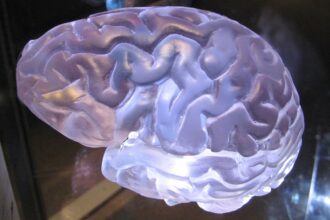
The Mechanisms of Hyper-Attunement: A Neural Symphony
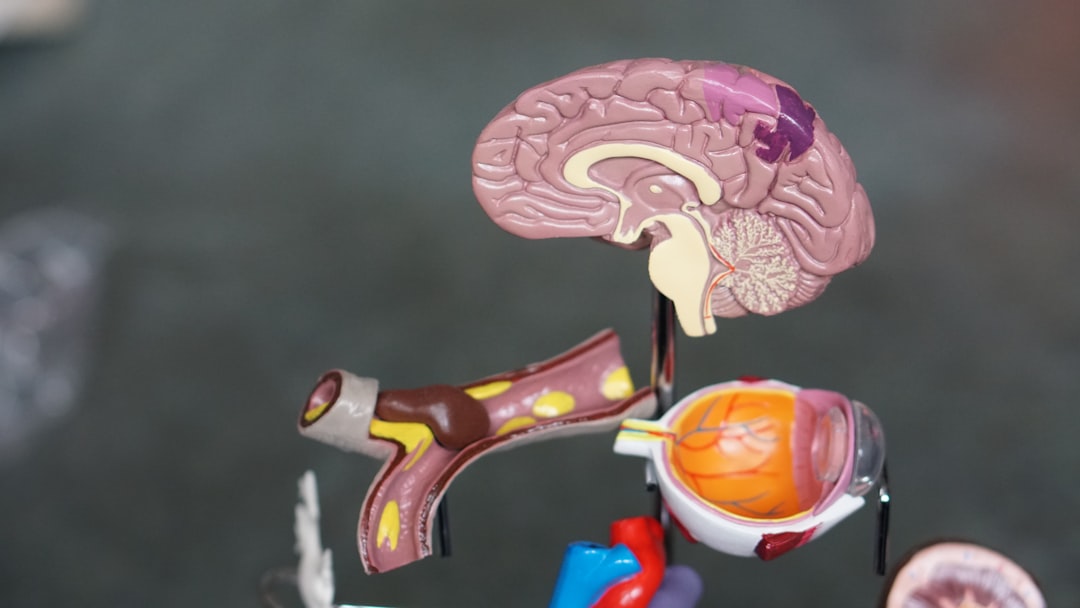
Hyper-attunement isn’t just about what you perceive; it’s about how your brain processes that perception. It’s a complex neural symphony, with various regions of the brain playing crucial roles in this heightened state of awareness.
Enhanced Amygdala Activity
The amygdala, often referred to as the brain’s “fear center,” plays a significant role in hyper-attunement. In individuals who developed this trait as a survival mechanism, the amygdala may be more readily activated and potentially more sensitive to perceived threats. Imagine a sophisticated radar dish, constantly scanning the horizon. For someone with heightened amygdala activity, this radar is set to a much more sensitive frequency, picking up on signals that others might filter out as background noise.
- Rapid Threat Detection: Your amygdala becomes highly efficient at rapid threat detection, processing information almost instantaneously and often outside conscious awareness.
- The “Fight, Flight, Freeze, Fawn” Response: This enhanced amygdala activity is intricately linked to the “fight, flight, freeze, fawn” response. You might find yourself quickly reacting to perceived stressors, even if those stressors are subtle or seemingly inconsequential to others.
Altered Prefrontal Cortex Function
While the amygdala handles rapid threat detection, the prefrontal cortex, responsible for executive functions like planning, decision-making, and emotional regulation, also adapts. In hyper-attuned individuals, there can be a complex interplay. Sometimes, the prefrontal cortex attempts to bring rational order to the torrent of information, analyzing and categorizing every nuance. Other times, it can be overwhelmed by the sheer volume of input, leading to feelings of anxiety or being “flooded.”
- Over-Analysis and Rumination: You might frequently find yourself over-analyzing social interactions, ruminating on past conversations, or attempting to dissect every emotional nuance. This is the prefrontal cortex working overtime, trying to make sense of the constant informational influx.
- Decision Paralysis: The sheer volume of information and potential interpretations can sometimes lead to decision paralysis, where you struggle to make choices due to an overwhelming number of factors to consider.
Mirror Neuron System Activity
The mirror neuron system, responsible for empathy and understanding the intentions and emotions of others, can also be highly active in hyper-attuned individuals. This system allows you to “mirror” the emotions and actions of others, providing a deep, intuitive understanding of their internal states. It’s like having a highly sensitive emotional antenna, picking up on the subtlest vibrations from those around you. This can be a double-edged sword, fostering profound empathy but also leading to emotional exhaustion.
- Empathic Resonance: You likely possess a profound capacity for empathic resonance, feeling the emotions of others almost as if they were your own. This can make you an exceptional listener and confidante.
- Emotional Overwhelm: However, this deep empathy can also lead to emotional overwhelm, as you absorb and process not just your own emotions, but also those of everyone in your immediate vicinity.
The Manifestations of Hyper-Attunement: Life in High Definition

Living with hyper-attunement is akin to experiencing life in high definition, with every detail, every shade, every sound amplified. While this can offer unique strengths, it also presents distinct challenges.
Heightened Sensory Perception
You might possess a heightened sensitivity to sensory input. Loud noises can be jarring, bright lights can be overwhelming, and strong smells can be intensely distracting. This isn’t a deliberate choice; it’s simply how your nervous system is wired. Imagine a finely tuned instrument, capable of detecting the most subtle variations in pitch and timbre. Your sensory system operates with similar precision.
- Sensory Overload: Everyday environments can easily lead to sensory overload, similar to being bombarded by a thousand different signals all at once.
- Environmental Decoding: You intuitively pick up on the subtle cues in an environment – the hum of the air conditioning, the scent of a distant coffee, the quality of light filtering through a window – all contributing to a rich, albeit sometimes overwhelming, sensory tapestry.
Acute Social and Emotional Intelligence
One of the most notable manifestations of hyper-attunement is an extraordinarily acute social and emotional intelligence. You are often adept at reading non-verbal cues, interpreting micro-expressions, and understanding unspoken dynamics. You might intuitively grasp the underlying currents of a conversation or the unstated needs of a person. You are, in essence, a master code-breaker of human interaction.
- Subtle Cue Detection: You excel at detecting subtle cues – a slight shift in posture, a momentary hesitation in speech, an almost imperceptible tightening around the eyes – that others may entirely miss.
- Predicting Social Outcomes: This allows you to often predict social outcomes, anticipating potential conflicts or understanding unspoken desires, giving you a distinct, albeit sometimes burdensome, advantage in social situations.
A Tendency Towards People-Pleasing
To maintain safety and ensure acceptance in an unpredictable environment, you may have developed a strong tendency towards people-pleasing. Your hyper-attunement allowed you to anticipate the needs and expectations of others, and you unconsciously learned that meeting those needs could prevent conflict or secure approval. This is not weakness; it is a sophisticated, albeit often costly, strategy for maintaining harmony or avoiding negative consequences.
- Anticipating Needs: You often find yourself anticipating the needs of others before they even articulate them, often stepping in to fulfill them.
- Conflict Avoidance: The drive to maintain peace and harmony, born from a desire for safety, can lead to a consistent effort to avoid conflict at all costs, even if it means sacrificing your own needs.
The Double-Edged Sword: Strengths and Challenges

Hyper-attunement, like any deeply ingrained survival mechanism, is a double-edged sword. It bestows remarkable strengths but also presents significant challenges that you navigate daily.
Strengths and Advantages
Your hyper-attunement allows you to perceive the world with depth and nuance that others may miss. You are often highly perceptive, creative, and intuitive.
- Exceptional Empathy: You possess an exceptional capacity for empathy, allowing you to connect deeply with others and understand their experiences. This can make you a valuable friend, partner, or colleague.
- Problem-Solving Acumen: Your ability to perceive subtle patterns and underlying dynamics often translates into a superior problem-solving acumen. You see connections others might overlook, allowing for innovative solutions.
- Creativity and Intuition: The constant processing of diverse information can fuel incredible creativity and a strong intuitive sense. You might find yourself easily generating new ideas or having “gut feelings” that prove remarkably accurate.
- Leadership Potential: Your ability to read people and situations makes you a naturally insightful leader, capable of inspiring trust and understanding team dynamics.
Challenges and Vulnerabilities
However, the very mechanisms that bestow these strengths also create vulnerabilities. Imagine a powerful microscope; while it can reveal incredible detail, it can also amplify imperfections to an overwhelming degree.
- Chronic Overwhelm and Exhaustion: The constant processing of information, both sensory and emotional, can lead to chronic overwhelm and exhaustion. Your nervous system is perpetually “on.”
- Anxiety and Stress: The heightened state of vigilance, even when there’s no immediate threat, can contribute to chronic anxiety and stress, as your body remains in a perpetual “alert” mode.
- Difficulty Setting Boundaries: The ingrained tendency to anticipate and meet the needs of others often leads to difficulty setting healthy boundaries, as you may fear disappointing others or triggering conflict.
- Burnout and Compassion Fatigue: Your profound empathy, while a strength, can also lead to burnout and compassion fatigue, as you constantly absorb and process the emotional burdens of those around you.
- Self-Silencing and Authenticity: The need to adapt and conform, learned as a survival strategy, can make it challenging to express your authentic self, leading to feelings of self-silencing or inauthenticity.
Hyper attunement can be understood as a childhood survival move that allows children to navigate complex emotional landscapes in their environments. This adaptive behavior often stems from a need to read the emotional cues of caregivers and peers to ensure safety and connection. For a deeper exploration of how such behaviors manifest and impact emotional development, you can refer to a related article on this topic at Unplugged Psych. Understanding hyper attunement is crucial for recognizing its long-term effects on relationships and mental health in adulthood.
Navigating Hyper-Attunement: Cultivating Self-Awareness and Resilience
| Metric | Description | Typical Measurement | Relevance to Hyper Attunement |
|---|---|---|---|
| Emotional Sensitivity | Ability to detect subtle emotional cues in others | High scores on emotional recognition tests | Hyper attuned children often develop heightened emotional sensitivity to anticipate caregiver needs or threats |
| Vigilance Level | Degree of alertness to environmental changes or potential threats | Elevated baseline physiological arousal (e.g., heart rate, cortisol levels) | Increased vigilance helps survival in unpredictable or unsafe environments |
| Social Responsiveness | Speed and accuracy in responding to social cues | Faster reaction times in social interaction tasks | Hyper attunement enhances ability to adapt behavior to caregiver expectations |
| Stress Reactivity | Intensity of response to stressors | Heightened cortisol response to mild stress | Hyper attunement may lead to exaggerated stress responses as a protective mechanism |
| Attachment Style | Pattern of emotional bond with caregivers | Higher incidence of anxious or disorganized attachment | Hyper attunement often develops in insecure attachment contexts |
Understanding hyper-attunement as a childhood survival move is the first crucial step in transforming it from a potential burden into a powerful asset. You are not “too sensitive”; you are exquisitely attuned. The goal is not to eliminate your attunement, but to learn to manage it, to turn down the volume when necessary, and to amplify its strengths.
Acknowledging Your Unique Wiring
The foundational step is to acknowledge and validate your unique wiring. This isn’t a flaw; it’s an evolved mechanism that served a purpose. Instead of trying to “fix” yourself, you begin to understand and work with your physiological and psychological tendencies.
- Self-Compassion: Engage in radical self-compassion. Recognize that your hyper-attunement developed for a reason, and it is a testament to your resilience.
- Reframing the Narrative: Reframe the narrative from “I am too sensitive” to “I am highly perceptive and deeply empathetic.” This shift in language can profoundly impact your self-perception.
Developing Self-Regulation Skills
Since your nervous system is often on high alert, developing robust self-regulation skills is paramount. This involves learning techniques to calm your nervous system and manage the inflow of overwhelming information.
- Mindfulness and Grounding Techniques: Practice mindfulness to anchor yourself in the present moment. Grounding techniques, such as focusing on your breath, the feel of your feet on the floor, or sensory details around you, can help to gently lower your arousal levels.
- Mindful Movement: Incorporate mindful movement like yoga, tai chi, or simply conscious walking into your routine. These practices can help to release stored tension and bring a sense of embodiment.
- Creating Sensory Sanctuaries: Designate specific spaces in your home or daily routine that are sensory sanctuaries – quiet, dimly lit, and free from overwhelming stimuli. These spaces allow your nervous system to rest and recalibrate.
Setting and Maintaining Boundaries
Learning to set and maintain healthy boundaries is essential for protecting your energy and preventing emotional overwhelm. This is a skill that requires practice and self-advocacy.
- Identifying Your Limits: Begin by identifying your personal limits – emotional, mental, and physical. What activities, conversations, or environments consistently drain your energy?
- Practicing Assertiveness: Learn to communicate your boundaries assertively but kindly. This isn’t about being confrontational; it’s about clearly articulating your needs and limits.
- Saying “No” with Grace: Understand that saying “no” to others is often saying “yes” to yourself. This isn’t selfish; it’s a necessary act of self-preservation.
Cultivating Intentional Relationships
The depth of your attunement allows for profoundly meaningful relationships. However, it also makes you vulnerable to relationships that are draining or exploitative. Cultivating intentional relationships means choosing wisely who you invest your precious emotional energy in.
- Prioritizing Reciprocity: Seek relationships where there is genuine reciprocity – a balanced exchange of care, understanding, and support.
- Identifying Safe People: Learn to identify “safe people” – individuals who are emotionally stable, respectful of your boundaries, and capable of holding space for your experiences without judgment.
- Limiting Exposure to Draining Individuals: Be honest with yourself about individuals who consistently drain your energy or exploit your empathetic nature, and consciously limit your exposure to them.
Accessing Professional Support
If you find yourself consistently overwhelmed, anxious, or struggling to manage the impact of hyper-attunement, seeking professional support from a therapist or counselor specializing in trauma-informed care can be incredibly beneficial. They can help you process past experiences, develop coping mechanisms, and integrate your unique sensitivities in a healthy way. This is not a sign of weakness, but a proactive step towards greater well-being.
- Trauma-Informed Therapy: Therapies like EMDR, Sensorimotor Psychotherapy, or Internal Family Systems can be particularly effective in addressing the roots of hyper-attunement and integrating challenging childhood experiences.
- Coaching for Highly Sensitive Individuals: Some coaches specialize in working with highly sensitive individuals, providing strategies and tools to thrive in a world not always designed for intense perception.
By understanding hyper-attunement as a sophisticated adaptation, a testament to your resilience and ingenuity as a child, you can embark on a journey of self-discovery and empowerment. Your depth of perception, once a survival necessity, can evolve into a profound capacity for connection, creativity, and a rich, meaningful life. You are not merely surviving; you are poised to thrive, leveraging your unique attunement to navigate the world with wisdom and grace.
WARNING: Your Empathy Is a Biological Glitch (And They Know It)
FAQs
What is hyper attunement in childhood?
Hyper attunement in childhood refers to a heightened sensitivity and awareness of the emotions, needs, and behaviors of caregivers or significant adults. It often develops as a survival mechanism to anticipate and respond to potential threats or emotional cues in the environment.
Why do children develop hyper attunement as a survival move?
Children develop hyper attunement as a survival move to protect themselves in unpredictable or unsafe environments. By closely monitoring the emotional states and reactions of caregivers, they can better predict and avoid conflict, neglect, or harm.
How does hyper attunement affect a child’s development?
Hyper attunement can impact a child’s emotional and social development by making them overly focused on others’ feelings at the expense of their own needs. This may lead to challenges in setting boundaries, expressing emotions, and developing a strong sense of self.
Can hyper attunement in childhood lead to issues in adulthood?
Yes, hyper attunement developed in childhood can persist into adulthood, potentially resulting in difficulties with relationships, anxiety, codependency, and challenges in recognizing and prioritizing one’s own emotions and needs.
Is it possible to overcome hyper attunement developed in childhood?
Yes, with awareness, therapy, and supportive relationships, individuals can learn to balance their sensitivity to others with healthy self-care. Therapeutic approaches such as cognitive-behavioral therapy (CBT) and trauma-informed therapy can be particularly helpful in addressing hyper attunement patterns.