
You’ve likely encountered fawning behavior, perhaps even without realizing its full implications. Fawning is a trauma response, a nuanced and often subconscious survival mechanism. It extends beyond simple people-pleasing; it’s a deep-seated attempt to appease perceived threats, minimize conflict, and create an illusion of safety by mirroring or anticipating the desires of another person. Think of it as a chameleon adapting its skin to blend into a perilous environment – the chameleon isn’t choosing to change its color for aesthetic reasons, but for its very survival.
The Roots of Fawning
Fawning often originates in environments where expressing authentic needs or boundaries was met with negative consequences, such as disapproval, abandonment, or even abuse. Imagine a child whose emotional landscape was constantly shifting, dependent on a volatile caregiver’s mood. That child learns to walk on eggshells, to anticipate and preemptively cater to the caregiver’s whims to avoid storms. This learned behavior becomes deeply ingrained, manifesting as an adult as a default mode of interacting with others, particularly those perceived as holding power or influence. You learn that your own feelings are secondary, or even dangerous, and that your survival hinges on managing the emotional states of those around you.
Distinguishing Fawning from Politeness
It’s crucial to differentiate fawning from genuine politeness or healthy cooperation. Politeness stems from respect and consideration; fawning, however, is driven by fear and a desire to avoid perceived harm. When you are polite, you are making a conscious choice to be courteous, understanding that your actions foster positive interactions. When you fawn, you are reacting, often unconsciously, from a place of perceived vulnerability, sacrificing your own needs and boundaries in the process. The distinction lies in the underlying motivation and the degree of self-sacrifice involved. A polite person maintains their identity; a fawner blurs theirs.
If you’re looking to stop fawning and start genuinely caring for yourself, a great resource to explore is the article on Unplugged Psych, which delves into the nuances of self-advocacy and emotional well-being. By understanding the dynamics of fawning behavior, you can learn practical strategies to prioritize your own needs and cultivate healthier relationships. For more insights, check out the article here: Unplugged Psych.
Recognizing the Subtle Signs of Your Fawning
You might not always be aware when you’re engaging in fawning behavior. It’s often so deeply ingrained that it feels like a natural part of your personality. However, by cultivating self-awareness, you can begin to identify these subtle cues.
The Echo Chamber Effect
One common sign is what we call the “echo chamber effect.” You find yourself agreeing excessively with others, even when your internal thoughts diverge. It’s as if your own opinions are submerged beneath an automatic affirmation. You become a human echo, reflecting back what you believe others want to hear. This isn’t genuine agreement; it’s a strategic maneuver to avoid dissent, to keep the peace, and to ensure you are seen as amenable and non-threatening. You are, in essence, trying to become a mirror image of the person you’re interacting with, believing that this will make you more acceptable.
The “Over-Apologizer” Tendency
Another indicator is an excessive tendency to apologize, even for things that aren’t your fault or that require no apology. You might feel a pervasive sense of responsibility for the feelings and reactions of others, as if any discomfort they experience is indirectly attributable to you. This constant stream of apologies can be a pre-emptive measure, an attempt to diffuse potential conflict before it even arises, or to appease someone who appears to be displeased. You are essentially offering yourself as a sacrificial lamb to prevent any perceived negative fallout, even if the “fallout” is entirely imagined or disproportionate.
Neglecting Your Own Needs and Boundaries
Perhaps the most significant sign of fawning is the consistent neglect of your own needs, desires, and boundaries. You might find yourself saying “yes” to requests that you’d rather decline, taking on extra burdens, or suppressing your own authentic feelings to avoid inconveniencing or upsetting others. Your personal well-being becomes secondary to the perceived happiness or comfort of those around you. This self-erasure can lead to resentment, burnout, and a profound sense of not being truly seen or understood. You become a doormat, gradually worn down by the constant treading of others, and you might not even realize how much of yourself you’ve given away.
The Harmful Repercussions of Persistent Fawning

While fawning might seem like a benign survival strategy, its long-term consequences can be significantly damaging, eroding your sense of self and hindering genuine connection.
Eroding Authentic Selfhood
When you consistently prioritize the needs and desires of others over your own, you dilute your authentic self. Your true personality, your unique preferences, and your genuine opinions become obscured. It’s like a sculptor who, instead of carving their own vision, constantly adapts their work to the shifting preferences of every observer. You lose touch with who you truly are, and this can lead to a profound sense of emptiness and identity confusion. You become a patchwork of borrowed personalities, lacking a cohesive core.
Fueling Resentment and Burnout
Constantly suppressing your own needs and catering to others inevitably leads to resentment. This resentment can simmer beneath the surface, manifesting as passive aggression, irritability, or a general sense of being perpetually drained. You become a well that is constantly being drawn from, without ever being replenished. This emotional labor can also lead to severe burnout, leaving you feeling exhausted, cynical, and detached. Your compassionate wellspring runs dry from being overused and underappreciated.
Hindering Genuine Connection
True connection thrives on authenticity and vulnerability. When you fawn, you are presenting a curated version of yourself, one designed to please rather than to reveal. This prevents others from truly knowing and understanding you, and it also prevents you from experiencing the deep satisfaction of being accepted for who you genuinely are. Superficial pleasantries replace meaningful conversations, and relationships remain in the shallows, unable to brave the depths where true intimacy resides. It’s like trying to build a bridge across a chasm with only gossamer threads; it appears to connect, but lacks the strength to bear any real weight.
Shifting Towards Genuine Empathy: A New Paradigm

Moving away from fawning and towards genuine empathy requires a fundamental shift in your perspective and approach to relationships. It’s about moving from a place of reactive fear to a place of proactive understanding.
Cultivating Self-Compassion and Self-Awareness
The first step is to cultivate self-compassion. Recognize that your fawning behaviors were developed as a survival mechanism. They weren’t a flaw, but a testament to your resilience in challenging circumstances. Treat yourself with the same kindness and understanding you would offer a struggling friend. Simultaneously, cultivate self-awareness. Pay close attention to your internal landscape: your thoughts, feelings, and bodily sensations. When you feel the urge to fawn, pause and ask yourself: “What am I genuinely feeling right now? What do I truly need or want in this situation?” This pause is a crucial pivot point, providing an opportunity to intercept your automatic reactions. It’s like shining a light into a dark corner, revealing the hidden machinery of your subconscious.
Practicing Assertiveness with Kindness
Assertiveness is often conflated with aggression, but in reality, it’s about respectfully communicating your needs and boundaries. This doesn’t mean becoming combative or demanding; it means expressing yourself clearly and calmly, while also respecting the other person’s perspective. Start small. Practice saying “no” to minor requests that you’d rather not fulfill. You might be surprised to find that the world doesn’t collapse. Remember, setting boundaries is not about building walls, but about defining your personal space, like a gardener establishing the borders of their plot so that each plant can thrive without encroaching on another’s growth.
Distinguishing Needs from Wants
When engaging with others, try to distinguish between their genuine needs and their mere wants. Someone’s “want” to have you drop everything to help them move might not be a “need.” By learning to differentiate, you can offer support in ways that are truly helpful and sustainable, rather than depleting yourself by catering to every whim. This requires careful listening and critical assessment. It’s like being a medical professional, accurately diagnosing the core problem rather than simply treating every symptom that presents itself, however minor.
If you’re looking to break free from the habit of fawning and start genuinely caring for yourself and others, you might find it helpful to explore related insights in an article that discusses the importance of setting boundaries and recognizing your own needs. This resource can provide valuable strategies to help you shift your focus from people-pleasing to self-empowerment. For more information, check out this informative piece on self-care and personal growth.
Practical Steps to Embody Genuine Empathy
| Metric | Description | Recommended Action | Expected Outcome |
|---|---|---|---|
| Self-Awareness Level | Degree to which an individual recognizes fawning behaviors | Practice mindfulness and journaling to identify fawning triggers | Increased recognition of automatic fawning responses |
| Boundary Setting Frequency | Number of times boundaries are asserted in a week | Start with small, clear boundaries in personal and professional settings | Improved self-respect and reduced people-pleasing tendencies |
| Self-Care Activities per Week | Count of activities focused on personal well-being | Schedule regular self-care routines such as exercise, hobbies, or relaxation | Enhanced emotional resilience and self-compassion |
| Assertiveness Practice Sessions | Number of times assertiveness skills are practiced weekly | Engage in role-playing or communication workshops | Greater confidence in expressing needs and opinions |
| Emotional Validation Rate | Percentage of times personal emotions are acknowledged and accepted | Use affirmations and seek supportive feedback | Stronger emotional self-acceptance and reduced fawning |
Now that you understand the principles, let’s explore tangible ways you can integrate genuine empathy into your interactions.
Active Listening: Beyond Just Hearing
Genuine empathy begins with active listening. This means more than just waiting for your turn to speak. It means fully focusing on the other person, absorbing their words, their tone, their body language. It’s about trying to understand their perspective, even if it differs from your own. Ask clarifying questions. Reflect back what you hear to ensure you’ve understood correctly. For instance, you might say, “It sounds like you’re feeling frustrated because…” This demonstrates that you are truly engaged and attempting to grasp their internal experience. Consider yourself a human audio recorder with an interpretive processor, not just a playback device.
Validating Emotions, Not Necessarily Actions
Empathy doesn’t require you to agree with someone’s actions or choices. It means acknowledging and validating their emotions. Someone might be expressing anger about a situation you don’t fully comprehend or even agree with. You don’t have to condone their anger or their chosen response, but you can acknowledge their feeling: “I can see that this situation is making you very angry.” This simple act of validation can be incredibly powerful, making the other person feel heard and understood, which is a cornerstone of genuine connection. Imagine holding a compassionate mirror up to someone’s emotional state, allowing them to see their feelings accurately reflected without judgment.
Offering Support, Not Solutions (Unless Asked)
When someone shares a problem with you, your immediate inclination might be to offer solutions. However, true empathy often dictates that you offer support first and foremost. Many people primarily want to be heard and understood, not simply to be “fixed.” Ask, “How can I best support you right now?” or “Are you looking for advice, or just someone to listen?” This empowers the other person and ensures that your support is genuinely helpful, rather than prescriptive or dismissive of their agency. Think of yourself as a supportive anchor in a stormy sea, offering stability and presence, rather than a captain trying to steer their ship when they only asked for a lifeline.
Setting and Maintaining Healthy Boundaries
This is perhaps the most challenging, yet crucial, aspect of practicing genuine empathy while avoiding fawning. Healthy boundaries are not selfish; they are essential for your well-being and for the health of your relationships. Communicate your limits clearly and respectfully. Understand that it’s okay to say “no” without guilt. For example, “I’d love to help, but I’m unable to take on anything additional right now,” or “I need to prioritize my own commitments this week.” When you establish and maintain boundaries, you teach others how to treat you, and you create space for truly equitable and reciprocated relationships. Your boundaries are like the banks of a river, guiding its flow and allowing it to carve a purposeful path, rather than letting it become a sprawling, directionless wetland.
The Journey to True Connection
Transitioning from fawning to genuine empathy is not a destination but an ongoing journey. It requires patience, self-reflection, and a willingness to challenge deeply ingrained patterns. You will encounter moments where the old fawning urges resurface. In those instances, treat yourself with compassion, acknowledge the pattern, and gently guide yourself back to a place of authenticity and considered response.
By embracing this shift, you’re not just improving your relationships with others; you’re fundamentally transforming your relationship with yourself. You are reclaiming your authentic voice, honoring your needs, and building a foundation for connections that are rooted in mutual respect, understanding, and genuine care. This is the path to truly thriving, not just surviving, in the intricate tapestry of human interaction. You are no longer merely reflecting the light of others, but radiating your own unique luminescence into the world.
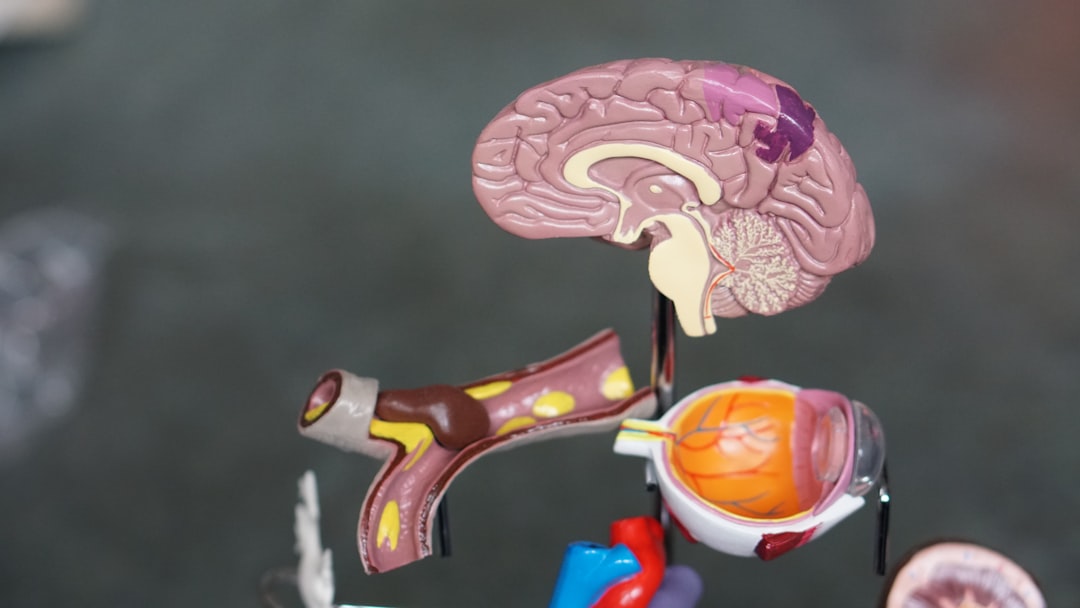
WARNING: Your Empathy Is a Biological Glitch (And They Know It)
FAQs
What does it mean to “fawn” in the context of relationships?
Fawning refers to a behavioral response where a person tries to please others excessively, often at the expense of their own needs and boundaries. It is typically a coping mechanism developed in response to trauma or fear of conflict.
Why is it important to stop fawning and start caring for oneself?
Stopping fawning is important because it allows individuals to establish healthy boundaries, prioritize their own well-being, and develop authentic relationships. Caring for oneself promotes self-respect, emotional health, and balanced interactions with others.
What are some common signs that someone is fawning?
Common signs include constantly agreeing with others to avoid conflict, suppressing personal opinions or feelings, people-pleasing behaviors, difficulty saying no, and feeling anxious about disappointing others.
How can someone begin to stop fawning behavior?
To stop fawning, individuals can start by recognizing their patterns, practicing assertiveness, setting clear boundaries, seeking therapy or counseling if needed, and gradually prioritizing their own needs and feelings in relationships.
What role does self-care play in overcoming fawning tendencies?
Self-care is crucial as it helps individuals reconnect with their own needs and emotions, build self-esteem, and develop healthier coping strategies. Regular self-care practices support emotional resilience and reduce the impulse to fawn.