As an empath, you possess a unique and profound sensitivity to the emotions and energies of others. While often romanticized as a superpower, this heightened perception carries a significant burden, a dark side that can profoundly impact your well-being. This article will explore the less glamorous aspects of empathic existence, providing you with a deeper understanding of the challenges you face and offering insights into managing your unique energetic landscape.
Your empathic nature means you are a sponge for the emotions of those around you. You don’t just observe their feelings; you internalize them, experiencing them as if they were your own. This constant influx of external emotional data can be overwhelming and debilitating. Imagine, if you will, living in a perpetually crowded room where every conversation, every sigh, every unspoken thought echoes directly within your own mind.
The Erosion of Personal Boundaries
For you, the line between your own emotions and those of others often blurs. You may find yourself experiencing intense sadness after a brief encounter with someone distressed, or inexplicable anger after a conversation with an irritable individual. This constant emotional cross-pollination makes it difficult to ascertain which feelings are truly yours, leading to a profound sense of confusion and a diminished sense of self. Your emotional landscape becomes a patchwork quilt woven from other people’s threads.
The Phenomenon of Emotional Resonance
Your empathic capabilities extend beyond simple identification; you resonate with the emotional states of those in your vicinity. This resonance can manifest as physical symptoms – a tightening in your chest when someone is anxious, a sudden wave of fatigue when someone is depressed. You are, in essence, a human tuning fork, vibrating in sympathy with the emotional frequencies of the world around you. This constant energetic attunement is draining and can lead to chronic exhaustion.
The Weight of Collective Consciousness
Beyond individual interactions, you may also be susceptible to the broader emotional currents of the collective. Major global events, societal anxieties, or even the general malaise of a community can wash over you, affecting your mood and energy levels without any direct personal involvement. You are like a small boat on a vast ocean, buffeted by waves you cannot see but profoundly feel. This connection to the collective can be a source of deep empathy but also an immense source of distress.
Being an empath can often feel like a gift, allowing individuals to connect deeply with the emotions of others. However, there is a darker side to this sensitivity that can lead to emotional exhaustion and burnout. For a deeper understanding of the challenges faced by empaths, you can explore the article on the dark side of being an empath at Unplugged Psych. This resource delves into the struggles that empaths may encounter, providing insights and strategies for managing their unique emotional landscape.
The Cycle of Emotional Fatigue
The continuous absorption and processing of external emotions lead to a state of chronic emotional fatigue. Your energetic reserves are constantly depleted, leaving you feeling perpetually tired and drained, regardless of the amount of physical rest you receive. This isn’t merely boredom or a lack of motivation; it’s a deep-seated weariness that permeates your entire being.
The Exhaustion of Constant Vigilance
As an empath, you are often hyper-aware of your surroundings, constantly scanning for emotional cues and potential energetic threats. This internal vigilance, while protective, is incredibly taxing. Your nervous system is perpetually on high alert, akin to a soldier in a war zone, always anticipating the next emotional “attack.” This sustained state of alertness contributes significantly to your overall fatigue.
The Repercussions of Empathic Overload
When you reach a state of empathic overload, your cognitive functions can be impaired. You may experience difficulty concentrating, memory issues, and a general sense of mental fogginess. Your brain, overwhelmed by too much emotional input, struggles to process information effectively. This can impact your work, your relationships, and your overall quality of life. Think of your brain as a computer with too many tabs open; eventually, it slows down and crashes.
The Allure of Isolation
To protect yourself from this emotional onslaught, you may find yourself increasingly drawn to solitude. While a degree of personal space is healthy, chronic isolation can become a coping mechanism that, while offering temporary relief, ultimately limits your life experiences and hinders personal growth. You become a hermit in your own energetic bubble, sacrificing connection for peace.
The Magnetism of Exploitative Relationships
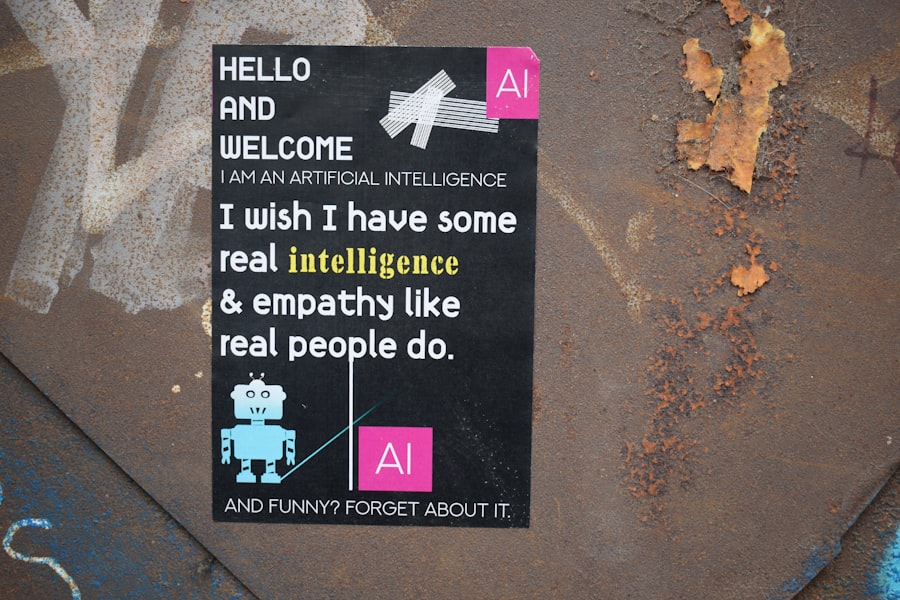
Your inherent compassion and desire to help others, coupled with your sensitivity, can make you a prime target for individuals who are emotionally manipulative or energetically draining. These “energy vampires” are often drawn to your nurturing nature, seeking to feed off your emotional reserves.
The Role of the Perpetual Giver
You, as an empath, often find yourself in the role of the perpetual giver, constantly offering emotional support, understanding, and comfort to others. This giving is often selfless and genuine, but it can be exploited by individuals who have no intention of reciprocating or respecting your boundaries. You are a well from which others draw freely, often without replenishing your own reserves.
The Attraction to Narcissism
A particularly insidious dynamic can unfold when empaths are drawn to individuals with narcissistic tendencies. Narcissists are masters of manipulation, and your innate desire to heal and understand makes you an ideal canvas for their emotional games. You may perceive their dysfunction as a wound you can heal, becoming trapped in a cycle of attempting to “fix” an unfixable situation. This relationship dynamic is akin to a moth drawn to a flame, beautiful yet ultimately destructive.
The Cost of Unrequited Empathy
In these exploitative relationships, your empathy is often unrequited. You pour your emotional energy into someone who is incapable or unwilling to reciprocate, leading to deep feelings of hurt, betrayal, and exhaustion. You invest your emotional capital into a bankrupt enterprise, leaving you with nothing but depletion.
The Perils of Internalized Pain
Beyond the direct impact of external emotions, your empathic nature can lead to the internalization of pain and suffering that is not your own. You may carry the burdens of others long after the interaction has ended, leading to chronic emotional and even physical ailments.
The Echo Chamber of Suffering
When you witness suffering, whether directly or vicariously, its echoes can reverberate within you for extended periods. You may find yourself replaying traumatic events, experiencing secondary trauma, or feeling a persistent sense of grief or despair that originated elsewhere. Your internal landscape becomes an echo chamber of the world’s pain.
The Development of Sympathy Sickness
In some cases, your internalized pain can manifest as physical symptoms. This phenomenon, sometimes referred to as “sympathy sickness,” involves experiencing physical discomfort or illness that mirrors the ailments of those around you. Your body, deeply attuned to others’ suffering, begins to reflect their physical state. This is a profound testament to the interconnectedness you feel, but also a significant burden on your physical health.
The Weight of the World on Your Shoulders
You may often feel a profound sense of responsibility for the suffering of others, even when you have no direct control over the situation. This can lead to feelings of guilt, helplessness, and a pervasive sense of inadequacy. You shoulder the weight of the world, even though it was never intended for your shoulders alone.
Being an empath can often feel like a gift, allowing individuals to connect deeply with the emotions of others; however, there is a darker side that many may not consider. The constant emotional absorption can lead to feelings of overwhelm and burnout, making it essential for empaths to establish healthy boundaries. For a deeper understanding of this complex experience, you might find it helpful to read a related article that explores the challenges faced by empaths and offers insights on how to navigate their unique sensitivities. You can check it out here.
The Erosion of Self and Purpose
| Metric | Description | Impact | Common Symptoms |
|---|---|---|---|
| Emotional Overwhelm | Absorbing others’ emotions intensely | High stress and anxiety levels | Fatigue, irritability, mood swings |
| Boundary Issues | Difficulty setting limits with others | Emotional exhaustion and burnout | People-pleasing, inability to say no |
| Social Withdrawal | Needing to retreat to recharge | Isolation and loneliness | Avoidance of social events, feeling drained |
| Physical Symptoms | Manifestation of emotional stress physically | Headaches, muscle tension, digestive issues | Chronic pain, fatigue, sleep disturbances |
| Difficulty Distinguishing Emotions | Confusing own feelings with others’ | Identity confusion and emotional instability | Confusion, mood swings, anxiety |
The continuous onslaught of external emotions, combined with the struggles of maintaining boundaries and navigating exploitative relationships, can ultimately lead to a severe erosion of your sense of self and purpose. You may lose touch with your own desires, passions, and authentic identity.
The Dissolution of Personal Identity
When you are constantly absorbing and reflecting the emotions of others, your own unique emotional signature can become obscured. You may find it difficult to identify your preferences, your true feelings, and your core values. Your identity becomes a composite of the experiences you’ve absorbed, rather than a reflection of your inherent self. It’s like a chameleon in a kaleidoscope, constantly changing colors to match its surroundings.
The Struggle for Authenticity
In an effort to protect yourself or to accommodate the emotional states of those around you, you may inadvertently suppress your own authentic expressions. You might censor your opinions, temper your reactions, or feign emotions that are not truly yours. This constant performance of acceptable emotions ultimately leads to a disconnection from your authentic self. You wear a mask for the world, and eventually, you forget what your true face looks like.
The Questioning of Life’s Meaning
The profound burden of empathic existence can lead to existential questions. You may wonder about the point of your heightened sensitivity, the fairness of your struggles, and the very meaning of your life. This internal questioning can be isolating and can lead to a sense of purposelessness if not addressed with self-compassion and understanding. You are a cartographer charting an emotional landscape that often seems bleak, questioning the very journey itself.
In conclusion, while your empathic abilities offer profound gifts of connection, compassion, and understanding, it is crucial for you to acknowledge and address the inherent challenges. Understanding the dark side of your empathic nature is the first step towards managing its burdens and reclaiming your personal peace and well-being. By developing strong boundaries, practicing self-care, and consciously choosing your energetic environment, you can navigate your unique path with greater resilience and a renewed sense of self. Your sensitivity is a powerful tool; learn to wield it with intention and self-preservation.
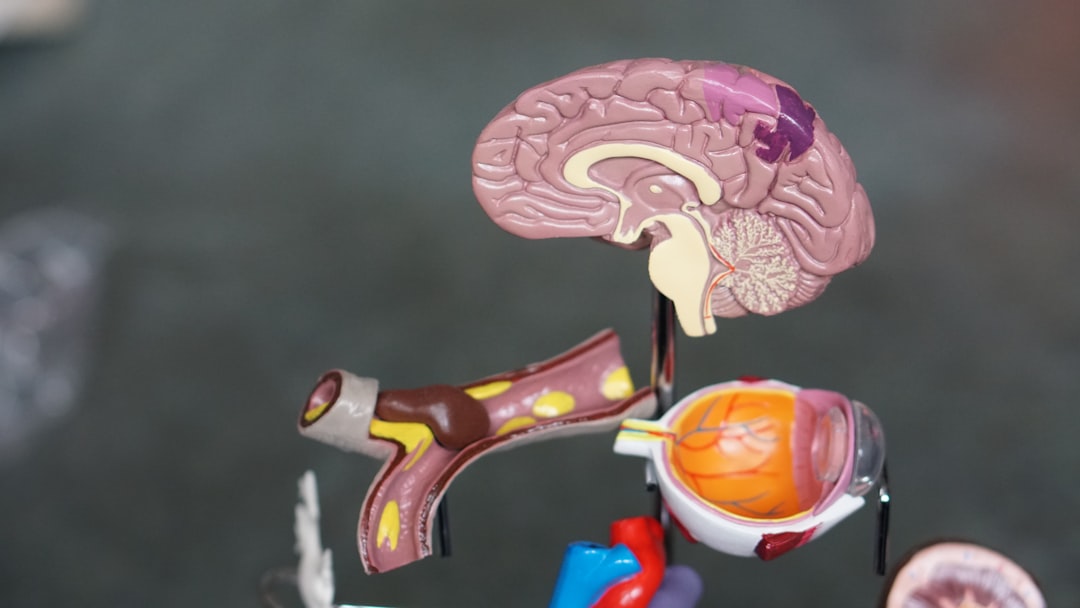
WARNING: Your Empathy Is a Biological Glitch (And They Know It)
FAQs
What does it mean to be an empath?
Being an empath means having a heightened ability to sense and absorb the emotions and energy of others. Empaths are highly sensitive to the feelings of people around them, often experiencing emotions as if they were their own.
What are some common challenges faced by empaths?
Empaths often struggle with emotional overwhelm, difficulty setting boundaries, and exhaustion from constantly absorbing others’ emotions. They may also experience anxiety, stress, and a tendency to prioritize others’ needs over their own.
How can being an empath affect mental health?
The constant emotional input can lead to burnout, depression, and anxiety for empaths. Without proper coping strategies, they may feel drained, isolated, or unable to distinguish their own feelings from those of others.
What strategies can empaths use to protect themselves?
Empaths can benefit from setting clear emotional boundaries, practicing mindfulness, engaging in regular self-care, and learning techniques to ground themselves. Seeking support from therapists or support groups can also be helpful.
Is being an empath considered a psychological condition?
No, being an empath is not classified as a psychological disorder. It is a personality trait characterized by high emotional sensitivity. However, the challenges associated with it can impact mental health if not managed properly.