
You’ve navigated countless scenarios, from minor inconveniences to significant stressors, and in some, you’ve found yourself ensnared in a cycle of excessive care and emotional drain. This persistent engagement often manifests as rumination, anxiety, or a chronic sense of burden. The process of “letting go” is not an act of apathy, but rather a strategic disengagement from elements that demonstrably deplete your resources without offering commensurate benefit. This article will delineate the mechanisms of excessive caring, identify its common triggers, and propose actionable strategies for cultivating a more discerning approach to your emotional investments.
Before you can disengage, you must first pinpoint precisely what is siphoning your energy. This often requires a degree of introspection and observational acumen.
The Illusion of Control
You may find yourself excessively concerned with outcomes that are fundamentally beyond your sphere of influence. This can range from the decisions of others to large-scale societal issues.
- External Locus of Control: Your belief that external forces, rather than your own actions, dictate your life’s outcomes. This often fuels an anxiety-driven need to monitor and influence situations you cannot realistically control.
- The “What If” Trap: A cyclical pattern of contemplating negative hypothetical scenarios, often leading to preemptive worry without constructive action. This mental exercise, while seemingly productive, often serves only to amplify stress.
The Burden of Expectation
Unrealistic expectations, whether placed upon yourself or others, are frequent culprits in the drainage of emotional reservoirs.
- Self-Imposed Perfectionism: The relentless pursuit of an unattainable ideal, leading to chronic dissatisfaction and a fear of failure. You set the bar impossibly high, and then chastise yourself for not clearing it.
- Interpersonal Discrepancies: Your disappointment stemming from others not meeting your unstated or unrealistic standards. This can be particularly prevalent in professional and personal relationships.
The Echo Chamber of Past Grievances
Holding onto past hurts, perceived injustices, or unresolved conflicts can function as an ongoing emotional tax.
- Ruminative Thought Patterns: The repetitive and passive focus on your distress symptoms and their possible causes and consequences, often perpetuating negative mood. You replay events, dissect conversations, and mentally re-litigate scenarios long past their expiration date.
- Unforgiveness as Self-Imprisonment: The refusal to let go of anger or resentment towards another, often trapping you in a cycle of bitterness. This extends beyond the other person, as you are the one carrying the emotional weight.
If you’re looking for effective strategies to stop caring about things that drain your energy, you might find valuable insights in the article available at Unplugged Psych. This resource offers practical tips on setting boundaries and prioritizing your mental well-being, helping you to focus on what truly matters in your life. By implementing these techniques, you can cultivate a healthier mindset and reduce the emotional burden of unnecessary concerns.
Understanding the Neuroscience of Attachment
Your brain is wired for connection and the reinforcement of behavioral patterns. The act of “caring” can become a deeply ingrained neural pathway, particularly when associated with perceived rewards or threats.
The Amygdala’s Alarm Bell
The amygdala, a primal part of your brain, is responsible for processing emotions, particularly fear. When you care excessively, it can misinterpret situations as threatening, triggering a constant state of alert.
- Fight-or-Flight Activation: Your body’s physiological response to perceived danger, leading to elevated heart rate, muscle tension, and heightened anxiety. Even in non-life-threatening situations, your amygdala can initiate this response if it perceives a threat to your emotional well-being.
- Cognitive Distortions: The tendency to think in ways that are often inaccurate and illogical, yet reinforce negative thought patterns. Catastrophizing, for instance, where you assume the worst possible outcome, is a common distortion fueled by an overactive amygdala.
The Dopamine Reward System
While dopamine is often associated with pleasure, it also plays a crucial role in motivation and habit formation. You might be inadvertently “rewarding” yourself for caring.
- Validation Seeking: The subconscious pursuit of external approval or appreciation for your efforts, even if those efforts are draining. The fleeting satisfaction of being seen as “helpful” or “responsible” can reinforce the habit of over-caring.
- The Hero Complex: Your inclination to take on others’ problems as your own, often stemming from a need to feel important or indispensable. This can provide a temporary dopamine hit but leads to chronic burnout.
Strategies for Disengagement
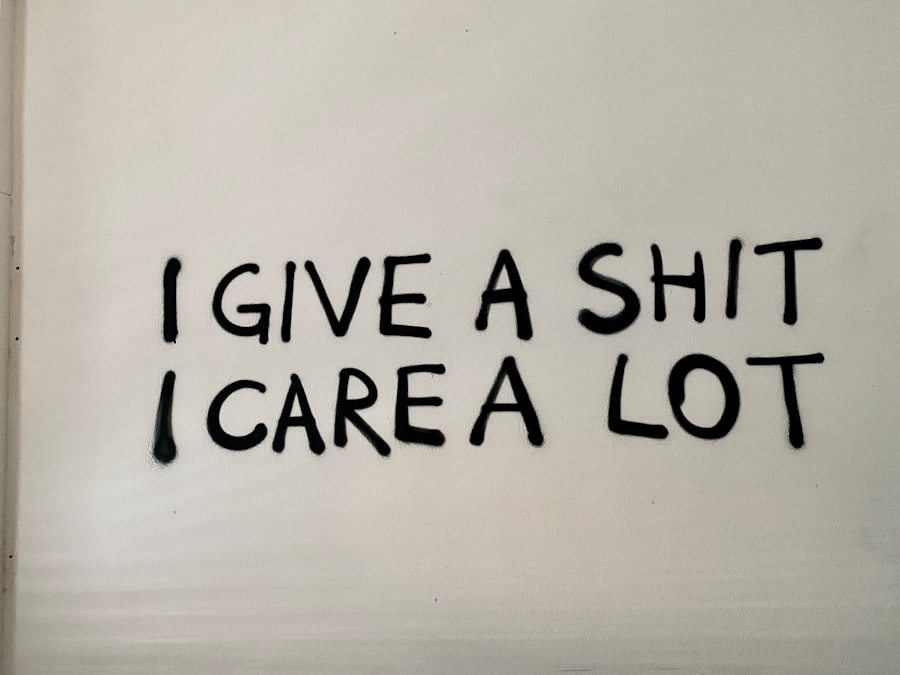
Letting go is an active process, requiring conscious effort and the development of new emotional habits. It is akin to re-routing a well-worn path.
Establishing Boundaries
Clear and consistent boundaries are fundamental to protecting your emotional energy. You must define what is yours to carry and what is not.
- Verbalizing Your Limits: Communicating your capacity and expectations to others in a clear and assertive manner. This is not about being confrontational, but about being explicit.
- The Power of “No”: Understanding that declining requests or commitments that overload you is a legitimate act of self-preservation. You are not obligated to say “yes” to every demand on your time or emotional resources.
- Digital Detoxification: Setting limits on your exposure to news, social media, or other digital inputs that contribute to excessive worry or comparison. The constant influx of information can amplify a sense of responsibility for global issues that are beyond your direct influence.
Cultivating Mindful Awareness
Mindfulness is the practice of observing your thoughts and feelings without judgment, allowing you to create a space between stimulus and response.
- Observing Without Attachment: Noticing draining thoughts or situations without immediately engaging with them emotionally. You become an observer, rather than an immediate participant.
- The “Thought as Cloud” Metaphor: Visualizing your thoughts as clouds passing through the sky, acknowledging their presence but allowing them to drift on without pursuing them. This detachment prevents rumination from taking root.
- Body Scan Meditation: A practice where you systematically bring awareness to different parts of your body, noticing sensations without judgment. This can help you identify where you are holding tension related to excessive caring and begin to release it.
Redefining Your Sphere of Influence
Focusing your energy where it can actually make a difference is a powerful antidote to feeling overwhelmed by things you cannot control.
- The Serenity Prayer Principle: Accepting the things you cannot change, having the courage to change the things you can, and the wisdom to know the difference. This ancient wisdom remains profoundly relevant.
- Actionable Steps vs. Rumination: Directing your efforts towards concrete actions, however small, when a situation is within your control, rather than simply worrying about it. This shifts your energy from passive concern to active engagement.
- Delegation and Collaboration: Recognizing that you are not solely responsible for all outcomes and enlisting the help of others when appropriate. This distributes the emotional and practical burden.
The Art of Emotional Detachment

Emotional detachment is not coldness; it is a strategic distancing from emotional reactivity that allows for a more objective perspective and preserved emotional resources.
Understanding Emotional Contagion
You are susceptible to absorbing the emotions of those around you, particularly if you are highly empathetic. This can lead to you “caring” about others’ distress to your own detriment.
- Empathy vs. Sympathy Distinction: Empathy involves understanding another’s feelings, while sympathy entails feeling sorry for them, often leading to shared distress. Cultivating empathetic understanding without adopting the emotional burden is a key skill.
- Protecting Your Emotional Envelope: Creating a mental and emotional buffer that prevents the absorption of negative emotions from others. Visualizing a protective shield can be a useful technique.
Practicing Non-Judgment
When you judge, you invest emotional energy. Let go of the need to label situations or individuals as “good” or “bad.”
- Radical Acceptance: Fully acknowledging and accepting your reality without resistance, even if it is unpleasant. This does not mean condoning negative behavior, but rather accepting its existence as a factual observation.
- Perspective Shifting: Deliberately attempting to view situations from different angles, challenging your initial interpretations. This can reveal nuances that were previously obscured by your emotional investment.
If you find yourself constantly overwhelmed by the demands of life, you might want to explore strategies for letting go of things that drain your energy. A helpful resource on this topic can be found in an article that discusses practical techniques to stop caring about the negativity around you. By focusing on what truly matters and learning to set boundaries, you can reclaim your peace of mind. For more insights, check out this informative piece on unpluggedpsych.com.
Reclaiming Your Energy
| Strategy | Description | Effectiveness (%) | Time to Notice Improvement |
|---|---|---|---|
| Set Boundaries | Learn to say no and limit exposure to draining situations or people. | 85 | 1-2 weeks |
| Practice Mindfulness | Use meditation and awareness techniques to stay present and reduce emotional reactivity. | 75 | 2-4 weeks |
| Prioritize Self-Care | Engage in activities that recharge your energy and improve well-being. | 80 | 1-3 weeks |
| Limit Social Media | Reduce time spent on platforms that cause stress or comparison. | 70 | 1-2 weeks |
| Focus on What You Can Control | Shift attention to actions and thoughts within your influence. | 90 | Immediate to 1 week |
| Seek Support | Talk to friends, family, or professionals to gain perspective and encouragement. | 65 | 2-4 weeks |
The ultimate goal of letting go is to redirect your precious emotional energy towards endeavors that genuinely enrich your life and contribute to your well-being.
Investing in Self-Care
Prioritizing your own physical, mental, and emotional health is not selfish; it is foundational to your capacity to engage meaningfully with the world.
- Rest and Recuperation: Recognizing that adequate sleep and periods of true relaxation are non-negotiable for emotional resilience.
- Engaging in Restorative Activities: Pursuing hobbies, interests, or activities that genuinely bring you joy and a sense of renewal, rather than feeling like another obligation.
- Physical Activity and Nutrition: Understanding the direct correlation between your physical health and your emotional fortitude. A well-nourished and active body is better equipped to manage stress.
Cultivating Gratitude
Focusing on what you have, rather than what you lack or fear losing, shifts your mental landscape.
- Gratitude Journaling: Regularly writing down things you are thankful for, even small daily occurrences. This rewires your brain to seek out positive aspects of your life.
- Appreciating Imperfection: Recognizing that even challenges or perceived flaws can offer lessons or opportunities for growth. This moves you away from a perfectionistic mindset.
Embracing Impermanence
Understanding that all things are subject to change can reduce the emotional grip of current situations, both positive and negative.
- The Flow of Life: Accepting that circumstances will inevitably shift, and that holding onto any particular state is a futile exercise. This liberates you from the anxiety of stagnation or loss.
- Living in the Present Moment: Focusing your attention on the “now,” rather than dwelling on the past or projecting into an uncertain future. This reduces the mental load associated with anticipating or re-living.
In conclusion, letting go is a sophisticated and ongoing practice. It necessitates a critical evaluation of where your emotional resources are being allocated, an understanding of the underlying psychological and neurological drivers of excessive care, and the proactive implementation of strategies designed to conserve and redirect your energy. By disengaging from draining matters, you are not abandoning responsibility, but rather cultivating a more sustainable and impactful mode of existence. You reclaim your agency and empower yourself to engage with the world from a position of strength, rather than depletion.

Michel de Montaigne Philosophy for Anxiety Relief
FAQs
What does it mean to stop caring about things that drain you?
Stopping caring about things that drain you means consciously choosing to reduce emotional investment in situations, people, or activities that cause stress, anxiety, or exhaustion, in order to protect your mental and emotional well-being.
Why is it important to stop caring about draining things?
It is important because constantly engaging with draining issues can lead to burnout, decreased productivity, and negative impacts on mental health. Setting boundaries helps maintain balance and promotes overall happiness and resilience.
What are some effective strategies to stop caring about draining things?
Effective strategies include setting clear boundaries, practicing mindfulness, focusing on what you can control, prioritizing self-care, and seeking support from friends, family, or professionals when needed.
Can ignoring problems that drain you be harmful?
Yes, ignoring problems entirely can sometimes be harmful if those issues require attention or resolution. The goal is to differentiate between what is worth your energy and what is not, rather than avoiding all challenges.
How long does it take to stop caring about things that drain you?
The time it takes varies depending on the individual and the situation. Developing emotional detachment and healthier coping mechanisms is a gradual process that requires consistent effort and self-awareness.