
In navigating the complexities of decision-making and personal growth, you often encounter two powerful internal forces: your intuition and your anxiety. These are not simply opposing entities, but rather signals that, when properly understood and calibrated, can offer profound guidance. This article will explore the nature of these two inner compasses, the challenges of distinguishing between them, and practical strategies for developing a harmonious relationship between them.
Your intuition is often described as a gut feeling, a sudden flash of insight, or a deep sense of knowing that arises without conscious reasoning. It is an unconscious processing of vast amounts of information, drawing upon your past experiences, learned patterns, and sensory input that may not be immediately apparent to your conscious mind. Think of it as a highly sophisticated internal algorithm, constantly running in the background, identifying connections and predicting outcomes based on an immense dataset of your life.
The Biological Underpinnings of Intuition
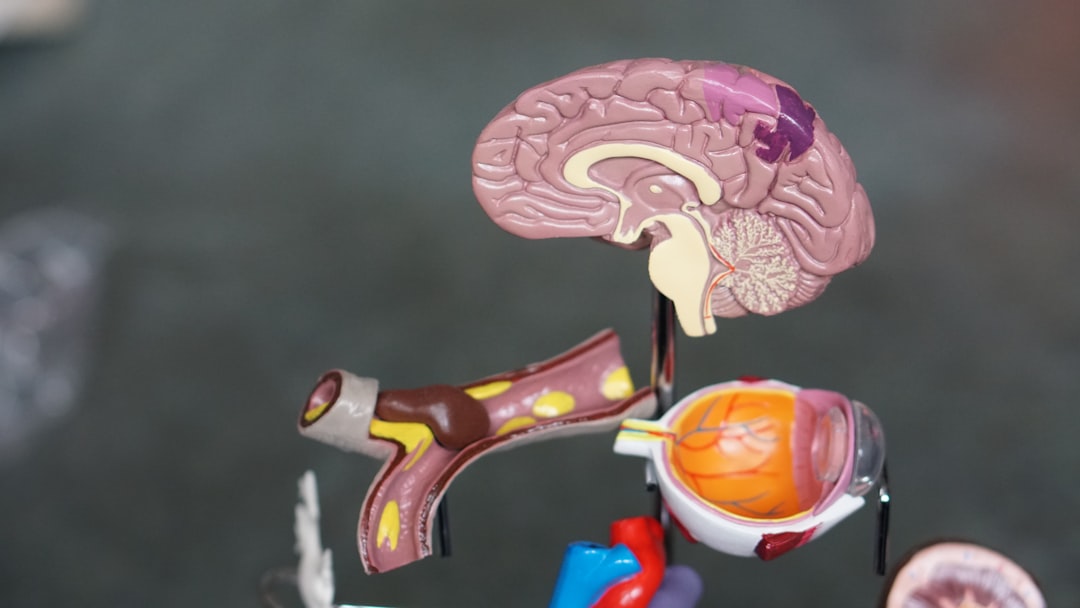
Research in neuroscience suggests that intuition is linked to the amygdala, the brain’s fear and emotion center, and the prefrontal cortex, responsible for higher-level thinking and decision-making. It’s not magic; it’s a complex interplay of neural pathways that have been honed through evolution. Your body itself can be a conduit for intuitive information. Subtle physiological cues, such as a tightness in your chest or a calming sensation, can sometimes be early indicators of intuitive whispers.
Intuition vs. Learned Knowledge
It’s crucial to differentiate intuition from simply recalling learned information. While learned knowledge is explicit and can be articulated, intuition is often implicit and more difficult to explain. For example, a seasoned doctor might have an intuitive sense that something is wrong with a patient, even if all diagnostic tests are currently within normal limits. This intuition is built on years of observing subtle cues and subtle deviations from the norm that may not be explicitly coded in medical textbooks.
The Role of the Subconscious Mind
Your subconscious mind acts as the reservoir for your intuition. It stores memories, emotions, and learned associations that your conscious mind may not actively access. When faced with a situation, your subconscious can quickly sift through this data and present you with a conclusion or a warning that feels “right” or “wrong.” It’s like a vast library, and your intuition is the librarian who can instantly retrieve the most relevant book without you having to browse the shelves.
In exploring the delicate balance between intuition and anxiety, a related article that offers valuable insights is available at Unplugged Psych. This piece delves into techniques for honing your intuitive skills while managing anxious thoughts, providing practical strategies to enhance self-awareness and decision-making. For more information, you can read the article here: Unplugged Psych.
Recognizing the Manifestations of Anxiety
Anxiety, on the other hand, is a state of heightened emotional and physiological arousal that signals perceived threat or danger. It is a primal survival mechanism designed to prepare you for action, whether that action is fight, flight, or freeze. In the modern world, however, this mechanism can often be triggered by perceived social threats, future uncertainties, or hypothetical dangers that may not be grounded in immediate reality.
The Physiological Symptoms of Anxiety
Anxiety manifests physically in various ways: a racing heart, shallow breathing, muscle tension, sweating, and digestive distress are common indicators. These are the body’s alarm bells, signaling that something is perceived as wrong. While these symptoms are uncomfortable, they are a testament to your body’s intent to keep you safe.
The Cognitive Distortions of Anxiety
Beyond the physical, anxiety significantly impacts your thought patterns. It can lead to catastrophizing, where you imagine the worst possible outcomes. It can fuel rumination, where you get stuck replaying negative thoughts. It can also foster overthinking, where you get lost in endless analysis, often without reaching a conclusion. Anxiety can create a distorted lens through which you view the world, amplifying negative possibilities and minimizing positive ones.
Anxiety as a False Alarm
The challenge with anxiety is that its signals, while potent, are not always accurate. Your mind can generate threats that are not real, or it can overstate the severity of actual threats. This is where the calibration becomes essential. You need to learn to distinguish between a genuine warning signal and a runaway alarm system.
The Challenge of Calibration: Distinguishing Signals

The primary hurdle in navigating your inner landscape is accurately discerning whether a feeling is an intuitive nudge or an anxious overreaction. They can often feel remarkably similar, both invoking a sense of urgency and a desire for a specific course of action. This confusion can lead you astray, causing you to either ignore valuable intuitive insights or act impulsively based on unfounded fears.
The “Feeling” of Intuition vs. Anxiety
Intuition often feels like a sense of clarity or a quiet knowing, even if the path forward isn’t entirely clear. It comes with a sense of purpose and underlying calm, even amidst uncertainty. Anxiety, conversely, often feels like a buzzing, an agitated energy, and a persistent sense of unease. It can be characterized by a racing mind and a feeling of being overwhelmed.
The Role of Evidence and Logic
While intuition operates beyond conscious logic, it doesn’t necessarily contradict it. Genuine intuition often aligns with available evidence and logical reasoning, albeit in a synthesized and condensed form. Anxiety, however, can lead you to disregard evidence that doesn’t fit your fearful narrative. It can create a self-fulfilling prophecy where your fear dictates your interpretation of reality.
The Impact of Past Trauma and Negative Experiences
Your past experiences deeply shape your internal responses. If you have experienced significant trauma or repeated negative outcomes, your system may become hypersensitive, misinterpreting neutral or even positive situations as threatening. This can make it challenging to trust your intuition, as your anxiety might be a learned protective mechanism that is now on high alert unnecessarily.
Strategies for Calibrating Your Inner Compass

Developing the ability to differentiate between intuition and anxiety is a skill that requires practice and self-awareness. It’s not about suppressing either of these forces, but rather about understanding their origins and learning to interpret their messages accurately. This process is akin to tuning a musical instrument, ensuring each string produces its intended note.
Cultivating Mindfulness and Self-Awareness
Mindfulness is the cornerstone of calibration. By paying attention to your thoughts, feelings, and bodily sensations without judgment, you begin to recognize the unique patterns associated with both intuition and anxiety. This involves setting aside dedicated time for introspection, perhaps through meditation or gentle reflection.
Observing Bodily Sensations
Your body is a powerful indicator. When you feel a strong urge or warning, pause and tune into your physical sensations. Is there a sense of openness and ease, or a clenching and constriction? Is your breathing deep and regular, or shallow and ragged? These subtle physiological cues can be invaluable in differentiating.
Noticing Thought Patterns
Are your thoughts expansive and solution-oriented, or narrowly focused on potential problems? Does a particular thought feel like an invitation to explore, or a demand to retreat? Observing the quality and direction of your thoughts is crucial.
Creating Space Through Pausing
When faced with a significant decision or a potent feeling, resist the urge to react immediately. Implement a pause. This mental buffer allows your conscious mind to catch up with your subconscious processing and provides an opportunity to observe your internal responses without being swept away by them. This pause is like a quiet harbor where your ship can anchor before setting sail again.
The Power of a Deep Breath
A simple, conscious deep breath can be a powerful tool to disrupt an anxious spiral and create a moment of stillness. It signals to your nervous system that you are safe and can begin to regain control.
Delaying Immediate Action
Resist the impulse to make an immediate decision or take immediate action when overwhelmed by a strong feeling. Giving yourself time allows for a more nuanced assessment.
Grounding Techniques for Anxiety
When you identify anxiety as the dominant force, grounding techniques can help you return to a state of calm and clarity. These techniques anchor you in the present moment and reduce the intensity of anxious thoughts.
Sensory Grounding
Engage your senses to connect with the present reality. What do you see, hear, smell, taste, and touch? Focus on the concrete details of your environment.
Physical Grounding
Activities like connecting with nature, gentle exercise, or even just feeling your feet on the ground can help to alleviate anxious feelings.
Seeking External Perspectives (with Caution)
While your inner dialogue is paramount, sometimes an outside perspective can be helpful. However, it’s crucial to seek advice from individuals who are calm, judicious, and capable of offering objective insights, rather than those who might amplify your anxieties.
Trustworthy Advisors
Engage with individuals who have demonstrated wisdom and emotional stability. They can offer a different lens without projecting their own fears onto your situation.
Differentiating Advice from Echoes
Be discerning about the advice you receive. Is it truly helpful, or is it simply echoing your own anxieties back to you in a different guise?
Trusting the Process of Integration
The goal of calibration is not to eliminate anxiety, but rather to understand its role and integrate its healthy signals while tempering its excesses. Similarly, intuition is not about abandoning logic, but about allowing it to be informed by a deeper, more nuanced form of knowing. This integration is an ongoing journey, not a destination.
Embracing Imperfection
You will not always achieve perfect calibration. There will be times when you misinterpret a signal or allow anxiety to unduly influence a decision. The key is to learn from these experiences and continue to refine your approach.
Celebrating Progress
Acknowledge and celebrate the progress you make in understanding and integrating your intuition and anxiety. Each instance of successful calibration is a testament to your growing inner wisdom.
In essence, learning to balance intuition and anxiety is about becoming a more attuned navigator of your own inner world. It’s about recognizing that both signals have a purpose, but their intensity and reliability can vary. By practicing mindfulness, creating space for reflection, and employing grounding techniques, you can learn to distinguish between the quiet whispers of intuition and the clamor of anxiety, allowing you to make decisions with greater clarity, confidence, and alignment with your true self. This ongoing calibration will not only improve your decision-making but also foster a deeper sense of peace and self-understanding.
WARNING: Your Empathy Is a Biological Glitch (And They Know It)
FAQs
What is the difference between intuition and anxiety?
Intuition is a subconscious process that provides insights or gut feelings based on past experiences and knowledge, often leading to quick and accurate judgments. Anxiety, on the other hand, is an emotional response characterized by worry, fear, or nervousness, which can cloud judgment and create false alarms.
How can I tell if a feeling is intuition or anxiety?
Intuition typically feels calm, clear, and confident, often arising suddenly without excessive emotional turmoil. Anxiety usually involves heightened emotional distress, repetitive negative thoughts, and physical symptoms like increased heart rate or tension. Paying attention to these differences can help distinguish between the two.
What are some techniques to calibrate intuition versus anxiety?
Techniques include mindfulness meditation to increase self-awareness, journaling to track feelings and outcomes, pausing before making decisions to assess emotional states, and seeking objective feedback from trusted individuals. These methods help in recognizing whether a feeling is based on intuition or anxiety.
Can anxiety ever be mistaken for intuition in decision-making?
Yes, anxiety can sometimes mimic intuition by producing strong feelings that seem like warnings or insights. However, anxiety-driven decisions are often impulsive or overly cautious, whereas intuition tends to be more balanced and grounded in experience.
Why is it important to differentiate between intuition and anxiety?
Differentiating between intuition and anxiety is crucial for making sound decisions. Relying on true intuition can lead to effective problem-solving and confidence, while succumbing to anxiety may result in avoidance, indecision, or poor choices influenced by fear rather than facts.