
You are intricately designed, a complex interplay of systems constantly monitoring and reacting to your internal and external environments. This inherent intelligence extends to your emotional landscape, allowing your body to differentiate between true calm and mere emotional suppression. This article explores the nuanced ways your physiology responds to these distinct states, helping you understand how to cultivate genuine well-being.
Before delving into calm and suppression, it’s crucial to grasp the role of your autonomic nervous system (ANS). This involuntary control system regulates vital bodily functions without conscious effort. Think of it as the silent conductor of your internal orchestra.
Sympathetic Nervous System: Your “Fight or Flight” Response
When you perceive a threat, real or imagined, your sympathetic nervous system (SNS) kicks into gear. This is your body’s survival mechanism, preparing you to either confront the danger or escape it.
- Physiological Manifestations: You experience an increased heart rate, shallow breathing, pupils dilate, muscles tense, and blood is redirected to your extremities. Digestion slows down, and non-essential bodily functions are temporarily suspended. Imagine your body as a high-performance sports car, revving its engine for immediate action.
- Neurochemical Release: The SNS releases adrenaline (epinephrine) and noradrenaline (norepinephrine), powerful hormones that orchestrate these rapid changes. These chemicals act as messengers, telling various organs to prepare for stress.
Parasympathetic Nervous System: Your “Rest and Digest” Counterpart
Conversely, your parasympathetic nervous system (PNS) is responsible for calming you down and restoring balance after a stressful event. It’s your body’s recovery and rejuvenation system.
- Physiological Manifestations: Your heart rate slows, breathing deepens, pupils constrict, and muscles relax. Digestion resumes, and energy reserves are replenished. Consider this the sports car idling peacefully, cooling down after a race.
- Neurochemical Release: The primary neurotransmitter of the PNS is acetylcholine, which acts as a brake on the SNS, bringing your body back to a state of equilibrium.
The SNS and PNS operate in a delicate dance, constantly adjusting your internal state to meet the demands of your environment. Understanding this interplay is fundamental to comprehending how your body interprets both genuine calm and forced suppression.
Understanding the distinction between calm and suppression is crucial for emotional well-being, as highlighted in a related article on the Unplugged Psych website. The article delves into how our bodies respond differently to genuine calmness compared to the act of suppressing emotions, emphasizing the importance of acknowledging feelings for mental health. You can read more about this fascinating topic in detail by visiting Unplugged Psych.
The Physiology of Authentic Calm
True calm is not merely the absence of stress; it is an active state of physiological and psychological well-being. Your body, with its innate wisdom, recognizes and registers this state through a specific set of biological markers.
Heart Rate Variability (HRV) as a Biomarker
One of the most telling indicators of genuine calm is high heart rate variability (HRV). HRV measures the beat-to-beat differences in your heart rate.
- High HRV as a Metric: A higher HRV signifies a healthy and adaptable autonomic nervous system, indicating a strong parasympathetic tone. Your heart is not beating like a metronome; instead, there’s a healthy irregularity that reflects your body’s ability to respond flexibly to internal and external demands. Think of a well-trained orchestra that can shift dynamics effortlessly.
- Neurobiological Underpinnings: High HRV is associated with increased vagal tone, referring to the activity of your vagus nerve. The vagus nerve is a major component of the PNS, playing a crucial role in regulating numerous bodily functions, including heart rate, digestion, and inflammation. When your vagus nerve is active, you experience a sense of relaxation and well-being.
Respiratory Patterns: The Breath of Tranquility
Your breathing patterns are a direct reflection of your emotional state. In a state of calm, your breath assumes distinct characteristics.
- Deep Diaphragmatic Breathing: You naturally engage in slow, deep breaths that originate from your diaphragm, rather than shallow chest breathing. This type of breathing stimulates the vagus nerve, further activating the PNS. Imagine a gentle, rhythmic tide ebbing and flowing within your torso.
- Increased Oxygenation: Deeper breathing leads to more efficient oxygen exchange in your lungs, improving oxygenation of your tissues and organs. This contributes to a sense of vitality and reduced cellular stress.
Muscle Relaxation and Reduced Tension
In a state of genuine calm, your muscles release unnecessary tension. This is a noticeable physical sensation that your body clearly registers.
- Absence of Chronic Tautness: Unlike suppressed states, where underlying tension may persist, true calm allows your muscles to completely relax. This reduces energy expenditure and prevents the cumulative effects of chronic muscle contraction.
- Improved Circulation: Relaxed muscles allow for better blood flow throughout your body, facilitating nutrient delivery and waste removal.
The Deceptive Mask of Suppression

Emotional suppression, while often a coping mechanism, is fundamentally different from genuine calm. While you may consciously attempt to push away or ignore difficult emotions, your body registers this as a form of internal stress, distinct from true tranquility.
Chronic Activation of the Sympathetic Nervous System
Even when you believe you are suppressing emotions, your body may remain in a subtle state of heightened alert, indicative of ongoing SNS activation.
- Subtle Physiological Markers: Your heart rate might be slightly elevated, your breathing shallow and constricted, and your muscles may carry a low-grade, persistent tension that you might not even consciously notice. This is like a security system that’s always on, even when there’s no immediate threat.
- “Brace for Impact” Mentality: Your body unconsciously prepares for a potential emotional outburst or internal conflict, even if you are actively trying to avoid it. This sustained physiological readiness consumes significant energy.
The Low Heart Rate Variability of Suppression
In contrast to the high HRV associated with calm, emotional suppression is often linked to lower HRV.
- Reduced Adaptability: A consistently low HRV suggests a less adaptable autonomic nervous system. Your body is less able to shift between states of arousal and relaxation, indicating a dominant sympathetic tone. It’s like an orchestra playing only one note, lacking the ability to create dynamic range.
- Increased Risk Factors: Chronic low HRV has been associated with various health issues, including cardiovascular disease, anxiety disorders, and depression, highlighting the long-term impact of sustained internal stress.
The Phenomenon of Emotional Leakage
Despite conscious efforts to suppress, emotions rarely disappear entirely. Instead, they often manifest through indirect physiological and psychological channels.
- Somatic Symptoms: Unexpressed emotions can manifest as various physical ailments, including headaches, digestive issues (e.g., irritable bowel syndrome), chronic pain, and skin conditions. Your body becomes a canvas for your unacknowledged feelings.
- Passive-Aggressive Behaviors: Psychologically, suppressed emotions can lead to indirect expressions of anger or resentment, impacting your relationships and overall well-being.
- Explosive Releases: While you might successfully suppress emotions for a period, they can eventually “leak” or lead to disproportionately intense emotional outbreaks when triggered. This is akin to a pressure cooker eventually releasing built-up steam.
The Body’s Innate Intelligence: Differentiating the Two
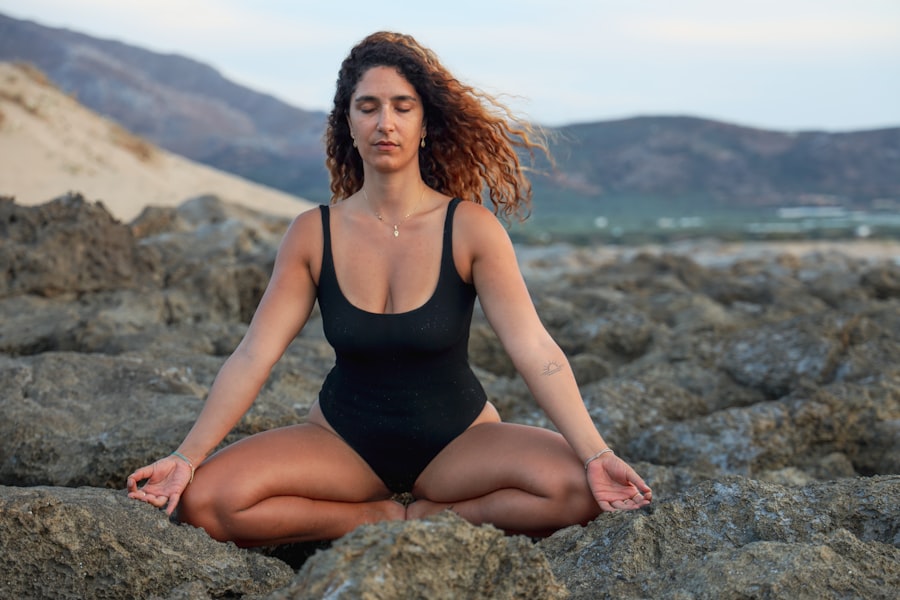
Your body is not easily fooled. It possesses an inherent capacity to distinguish between the genuine article and the façade. This distinction is crucial for your long-term health and emotional resilience.
Electrochemical Signaling and Cellular Memory
Every thought and emotion you experience triggers a cascade of biochemical reactions throughout your body.
- Neuropeptide Release: Emotions are linked to the release of specific neuropeptides, which are small protein-like molecules that transmit signals between nerve cells. Different emotional states correspond to different neuropeptide profiles. Suppression, while aiming for emotional neutrality, still involves a unique neurochemical signature that differs from true calm.
- Cellular Receptors: Your cells have receptors that bind to these neuropeptides, effectively “receiving” the emotional message. Over time, chronic exposure to certain emotional states (like suppressed stress) can alter the sensitivity and number of these receptors, influencing how your cells respond to future emotional input. Your cells literally “remember” your emotional patterns.
The Gut-Brain Axis: A Two-Way Street
The intricate connection between your gut and your brain, known as the gut-brain axis, plays a significant role in how your body processes emotions.
- Neurotransmitter Production: A substantial portion of your body’s neurotransmitters, including serotonin, a key regulator of mood, are produced in your gut. Your gut microbiome, the vast community of microorganisms residing in your digestive tract, significantly influences this production.
- Impact of Stress on Gut Health: Chronic stress, whether overt or suppressed, can disrupt the delicate balance of your gut microbiome, leading to inflammation and impaired nutrient absorption. This, in turn, can negatively impact your mood and overall well-being. Imagine your gut as a sensitive garden; constant stress is like a drought, impacting its delicate ecosystem.
Understanding the distinction between calm and suppression is crucial for emotional well-being, as our bodies respond differently to these states. When we experience calm, our physiological responses promote relaxation and healing, whereas suppression can lead to stress and tension. For further insights into this topic, you can explore a related article that delves into the nuances of emotional regulation and its impact on our health. This article can be found here, offering valuable information on how to foster a genuine sense of calm in our lives.
Cultivating Authentic Calm: Strategies for Your Well-being
| Metric | Calm | Suppression | Explanation |
|---|---|---|---|
| Heart Rate (bpm) | 60-80 | 80-100+ | Calm state lowers heart rate; suppression increases stress, raising heart rate. |
| Breathing Pattern | Slow, deep breaths | Shallow, rapid breaths | Calm promotes diaphragmatic breathing; suppression triggers fight-or-flight response. |
| Muscle Tension | Relaxed muscles | Increased muscle tightness | Calm allows muscles to relax; suppression causes involuntary tension. |
| Cortisol Levels | Normal baseline | Elevated | Suppression triggers stress hormone release; calm maintains balanced cortisol. |
| Brain Activity (EEG) | Increased alpha waves | Increased beta waves | Alpha waves indicate relaxation; beta waves indicate alertness and stress. |
| Skin Conductance | Low | High | Suppression increases sweat gland activity, raising skin conductance. |
| Immune Response | Optimal function | Suppressed | Chronic suppression weakens immune system; calm supports immune health. |
Given your body’s ability to differentiate between these states, cultivating genuine calm is paramount for your health. This involves actively engaging practices that promote parasympathetic activation and emotional processing.
Mindful Awareness and Emotional Acceptance
The first step towards authentic calm is to develop a greater awareness of your internal emotional landscape.
- Body Scan Meditation: Regularly practice body scan meditations, where you systematically bring your attention to different parts of your body, noticing any sensations without judgment. This helps you identify areas of tension or discomfort that might be indicative of suppressed emotions.
- Journaling for Emotional Processing: Regularly writing about your thoughts and feelings can be a powerful tool for externalizing and processing emotions, preventing their unconscious suppression.
- Non-Judgmental Observation: Instead of trying to push away difficult emotions, practice observing them with curiosity and acceptance. Acknowledge their presence without allowing them to overwhelm you. Think of yourself as a neutral observer, watching clouds pass in the sky.
Breathing Practices for Vagal Nerve Stimulation
Consciously manipulating your breath is one of the quickest ways to activate your parasympathetic nervous system.
- Diaphragmatic Breathing (Belly Breathing): Practice breathing deeply into your abdomen, allowing your belly to rise with each inhale and fall with each exhale. Aim for a slower, more rhythmic breath cycle.
- 4-7-8 Breathing Technique: Inhale for 4 counts, hold for 7 counts, and exhale for 8 counts. This specific ratio promotes relaxation and can be used to quickly calm your nervous system.
- Extended Exhalation: Focus on making your exhalation longer than your inhalation. This signals to your body that it’s safe to relax.
Engaging in Restorative Movement and Activities
Physical activity, particularly a restorative type, can significantly contribute to cultivating calm.
- Gentle Yoga and Tai Chi: These practices combine mindful movement, breathwork, and meditation, effectively promoting relaxation and reducing stress.
- Nature Immersion: Spending time in nature has been shown to reduce cortisol levels (the stress hormone) and promote feelings of well-being. Consider a walk in a park or forest.
- Creative Expression: Engaging in creative activities like painting, playing music, or writing poetry can provide an outlet for emotional expression and foster a sense of flow and calm.
Prioritizing Quality Rest and Sleep
Adequate and restorative sleep is fundamental for your body to repair, regenerate, and process emotional experiences.
- Consistent Sleep Schedule: Try to go to bed and wake up at roughly the same time each day, even on weekends, to regulate your circadian rhythm.
- Optimal Sleep Environment: Ensure your bedroom is dark, quiet, and cool. Avoid screens before bedtime.
- Addressing Sleep Disruptors: If you struggle with sleep, identify and address potential disruptors such as caffeine intake, alcohol, or underlying medical conditions.
In conclusion, your body is an extraordinary instrument, capable of discerning the subtle differences between genuine calm and the taxing artifice of suppression. By understanding these physiological distinctions and actively cultivating practices that promote authentic well-being, you empower yourself to live a life of greater emotional balance, resilience, and vitality. The choice to engage with your emotions, rather than avoid them, is a profound step towards true self-care.
WARNING: Your Empathy Is a Biological Glitch (And They Know It)
FAQs
What is the difference between calm and suppression in the body?
Calm refers to a natural state of relaxation and balance in the body, where the nervous system is at ease. Suppression, on the other hand, involves consciously or unconsciously pushing away emotions or bodily sensations, which can create tension and stress.
How does the body physically respond to calmness?
When the body is calm, the parasympathetic nervous system is activated, leading to slower heart rate, reduced blood pressure, relaxed muscles, and deeper, more regular breathing. This state promotes healing and overall well-being.
What happens in the body during emotional suppression?
During suppression, the sympathetic nervous system may remain activated, causing increased heart rate, muscle tension, shallow breathing, and elevated stress hormones like cortisol. This can lead to chronic stress and health issues over time.
Why is it important for the body to distinguish between calm and suppression?
Recognizing the difference allows the body to properly regulate stress and recovery. Genuine calm supports mental and physical health, while suppression can mask underlying issues and contribute to emotional and physical problems.
Can practicing mindfulness help the body differentiate between calm and suppression?
Yes, mindfulness encourages awareness of bodily sensations and emotions without judgment, helping individuals experience true calm rather than suppressing feelings. This practice supports healthier nervous system regulation and emotional processing.