Your kitchen, the purported heart of your home, often feels less like a beating organ and more like a meticulously staged diorama. You walk in, and a subtle dissonance exists between its appearance and its usability. It’s a space that looks like a kitchen, but in practice, it feels hollow, a prop set waiting for actors who never arrive. This disconnect between aesthetic and function is a common phenomenon, and understanding its roots can transform your kitchen from a passive display into an active participant in your daily life.
Frequently, the genesis of a kitchen feeling like a prop lies in an overemphasis on its visual presentation during the design phase. Architects and interior designers, tasked with creating appealing spaces, may prioritize a minimalist aesthetic, a specific stylistic trend, or an overtly luxurious feel, inadvertently sidelining the practicalities of cooking and living. This can manifest in several ways, creating a beautiful but ultimately frustrating environment.
The “Showroom Syndrome”: A Space for Gazing, Not Gleaming
You might have invested in a kitchen that mirrors the glossy pages of a magazine, with pristine countertops, integrated appliances hidden behind seamless cabinetry, and an island that serves more as a sculpture than a workspace. While visually arresting, this “showroom syndrome” means every spill feels like a transgression, every stray utensil a jarring disruption. The surfaces, perhaps made of delicate marble or highly polished stainless steel, demand constant attention, transforming everyday tasks into a high-stakes operation to maintain the illusion of perfection. The kitchen becomes a stage, and you, the reluctant actor, are more concerned with not dropping a prop than with delivering a convincing performance of culinary creation.
The Tyranny of Trends: Fashion Over Familiarity
Another culprit is the relentless march of design trends. You might find yourself with a kitchen that was cutting-edge five years ago but now feels vaguely dated and, more importantly, impractical. Perhaps the open-plan shelves, once lauded for their airy feel, are now overflowing with clutter, or the sleek, handleless cabinets, while chic, prove frustratingly difficult to open with flour-dusted hands. These trends, like fleeting fashion, often prioritize novelty over enduring sensibility, leaving you with a space that reflects an outdated ideal rather than your current needs. The kitchen, in this instance, becomes a museum piece, displaying a past version of your life rather than facilitating your present one.
Compromised Layouts: The Architect’s Blueprint Versus Your Ballet
The fundamental layout of your kitchen is paramount to its functionality. When this has been dictated by an architect’s desire for symmetrical perfection or an efficient use of a specific structural footprint, rather than by the logical flow of cooking, it can feel like navigating a maze. The distance between the refrigerator, sink, and stovetop – your essential “kitchen triangle” – might be excessively long, forcing you to perform a daily pilgrimage with every ingredient. Or perhaps you have a vast expanse of unused floor space, a void that serves no purpose other than to emphasize the lack of integrated utility. This is akin to being given a beautifully bound book with half the pages missing; the potential is evident, but the narrative is incomplete.
If you’ve ever wondered why your kitchen feels more like a prop than a functional space, you might find insights in the article titled “Creating a Home That Feels Authentic” on Unplugged Psych. This piece explores the psychological aspects of our living environments and how they can influence our sense of belonging and comfort. By understanding the emotional connections we have with our spaces, you can transform your kitchen into a place that feels truly yours. For more information, check out the article here: Creating a Home That Feels Authentic.
The Missing Ingredients: Functionality Over Facades
Beyond the overarching design, the absence of well-considered functional elements is a primary reason your kitchen feels like a prop. These are the subtle, often overlooked details that transform a beautiful space into a working one.
Inadequate Storage Solutions: The Endless Quest for Counterspace
One of the most insidious ways a kitchen can feel like a prop is through insufficient or poorly designed storage. You’re left with a constant battle for precious counterspace, using it as a holding pen for items that should have dedicated homes. This leads to a visual clutter that undermines any attempt at a clean, minimalist aesthetic. You might have beautiful cabinetry, but if the internal configuration is a chaotic jumble of shelves and dividers, it’s as effective as having a pristine wardrobe full of tangled clothes. The illusion of space is shattered by the reality of misplaced items, forcing you to perform the daily ritual of clearing surfaces before you can even begin to cook.
The Unseen Boxes: Where Does Everything Actually Go?
Consider the depth and height of your cupboards. Are they optimized for the items you own? Deep cupboards can become black holes where things are forgotten, and shallow ones might render certain appliances useless. The lack of specialized drawers for utensils, spices, or even a dedicated pull-out bin for recycling can leave you constantly searching and rearranging. This is the equivalent of having a magnificent stage with no backstage; all the essential elements for a performance are visible and in the way.
The Countertop Conundrum: A Stage for Spills, Not for Slicing
Your countertops are arguably the most critical functional surface in a kitchen. If they are too low, you’ll find yourself straining your back as you chop vegetables. If they are too high, they become awkward barriers. The material itself can also be a problem. Highly porous materials can stain easily, forcing you to be exceptionally cautious with every ingredient, making the act of cooking feel like a delicate operation rather than a creative endeavor. The feeling of a prop arises when the surface you’re meant to work on is too precious to be used.
Poor Lighting Strategies: Shadow Play in Your Culinary Theater
Lighting is a powerful tool in design, but in many kitchens, it’s either an afterthought or purely decorative. Overly dim ambient lighting can leave your workspaces in shadow, making it difficult and potentially unsafe to prepare food. Conversely, harsh, unshaded spotlights can create an unwelcoming glare. Your kitchen shouldn’t feel like a dimly lit jazz club where you’re trying to discern the ingredients in your pan; it should be a well-lit arena for your culinary endeavors.
The Ambiance Trap: When Mood Music Trumps Task Illumination
Many kitchens are designed with beautiful pendant lights or under-cabinet lighting that is primarily for aesthetics. While these can contribute to the overall mood, they often fail to provide the necessary illumination for tasks like chopping, stirring, or reading recipes. The result is a kitchen that looks good in a photograph but feels a bit lost in the practicalities of a busy evening meal preparation.
The Shadow of Doubt: Where Does the Light Actually Fall?
Think about where the primary work zones in your kitchen are located. Are there dark corners in your prep area? Is the sink area poorly lit, making it difficult to see what you’re rinsing? This lack of targeted lighting forces you to either accept the shadows or introduce clunky, temporary lamps, further detracting from the intended design and highlighting the functional deficit.
Appliance Placement: The Unchoreographed Dance of Cooking
The placement of your appliances can significantly impact the flow and efficiency of your kitchen. When they are not strategically located, your kitchen can feel like a poorly choreographed dance where every movement is an awkward stumble.
The Refrigerator Rumbles: The Inconvenient Cold Chest
Is your refrigerator an isolated island at the far end of the room, forcing you to trek across the kitchen for even a single ingredient? Or is it awkwardly positioned next to a major thoroughfare, creating a constant obstacle for others in your household? This inconvenient placement disrupts the natural workflow, turning simple tasks into logistical challenges.
The Oven’s Outburst: When Heat Becomes a Hurdle
Similarly, the placement of your oven can be problematic. If it’s too close to a main walkway, you risk accidental burns or bumping into it when it’s hot. If it’s too far from your primary prep area, it creates an inefficiency in transferring hot dishes. Your kitchen should facilitate a smooth transition between preparation, cooking, and serving, not feel like a series of disconnected stations.
The Missing Narrative: A Kitchen Without a Story
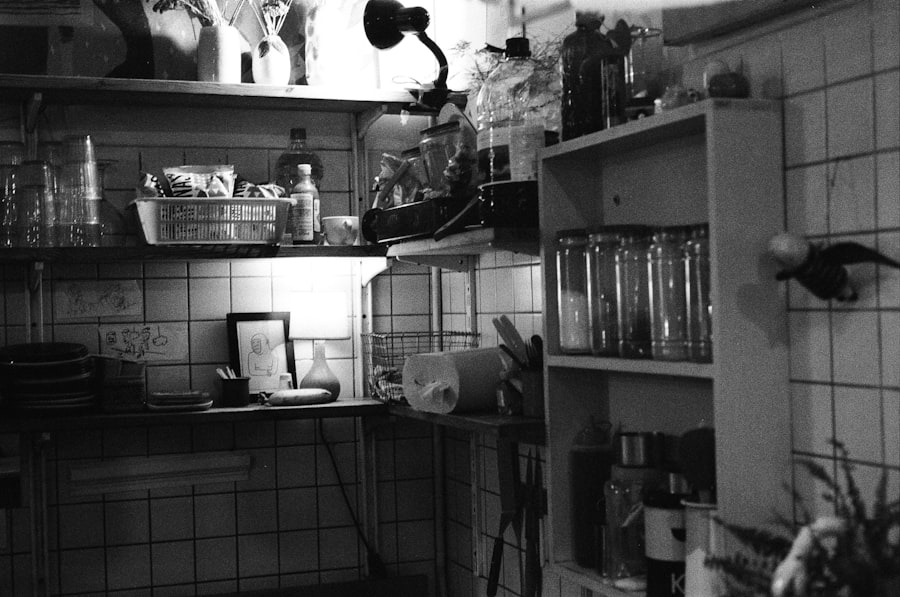
A kitchen that feels like a prop often lacks a narrative, a sense of personal history and lived experience. It’s a space that presents itself as pristine and untouchable, rather than as a canvas for your life.
The Pristine Pedestal: A Space Invaded by Perfection
You might feel a constant internal pressure to keep your kitchen in a state of immaculate perfection. Every crumb, every drip, is seen as a flaw that mars the intended aesthetic. This fear of imperfection prevents you from truly using the space as intended. It’s like owning a beautiful antique chair that’s so fragile you never dare to sit in it. The desire to preserve the prop outweighs its intended purpose.
The Blank Canvas Syndrome: A Lack of Personal Touches
A kitchen that feels like a prop often lacks personal touches. There are no framed photos of culinary adventures, no quirky magnets on the fridge, no well-loved recipe books displayed on open shelves. These elements are the threads that weave a personal narrative into a space, transforming it from a generic design into a reflection of its inhabitants. Without them, the kitchen feels soulless, a beautiful shell devoid of life.
The Unwritten Recipes: A Space Waiting for Experience
When a kitchen feels like a prop, it’s a space waiting for a story to unfold. The ingredients are there, the tools are present, but the experience of cooking, of creating, of sharing meals, hasn’t fully taken root. You might walk in and admire its structure, its finishes, but you don’t feel the hum of daily life, the comforting aroma of a simmering stew, or the convivial chatter of family gathered around the island. It’s a stage set for a play that hasn’t yet begun.
Reclaiming Your Culinary Stage: Infusing Functionality and Personality
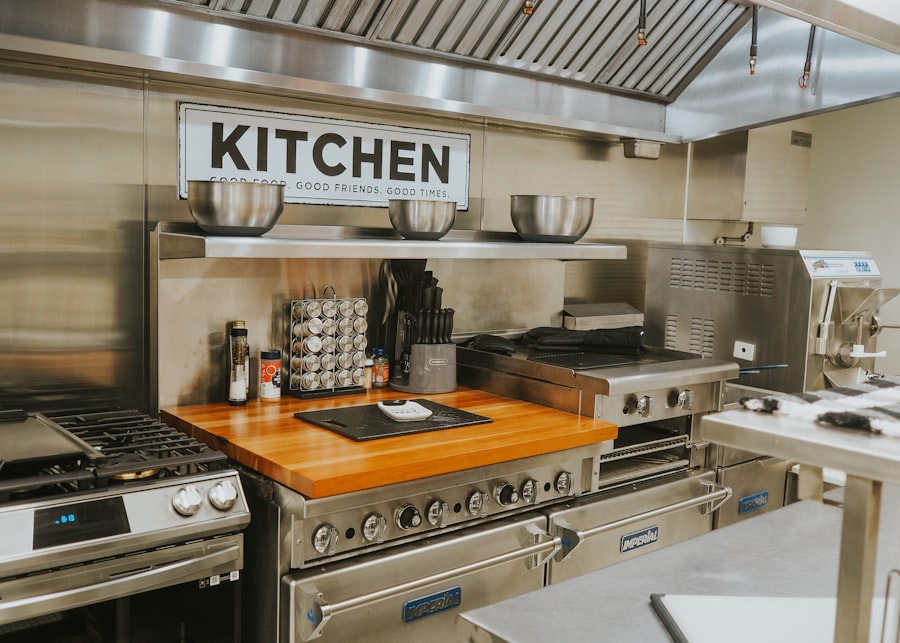
Transforming your kitchen from a prop into a functional and loved space requires a deliberate shift in focus. It’s about embracing imperfection, prioritizing utility, and infusing the space with your personality.
The Strategic Shuffle: Reimagining Layout and Flow
Begin by critically assessing your kitchen’s layout. Are there simple adjustments you can make to improve the workflow? Could a small island be relocated to better serve your prep area? Are there opportunities to add pull-out shelves in existing cabinets to improve accessibility? Even minor changes can have a significant impact on how you move and operate within the space.
The Triangle of Triumph: Optimizing Your Core Zones
Revisit the classic kitchen triangle. Is there any way to shorten the distances between your refrigerator, sink, and stovetop? Even a slight optimization can reduce unnecessary steps and make your cooking experience more fluid. This is about creating an efficient circulatory system for your culinary tasks.
The Workspace Workout: Enhancing Your Prep Zones
Consider how you can enhance your primary prep zones. Can you incorporate a butcher block insert into a countertop? Are there easy-to-install drawer organizers that can declutter your utensil drawers? Thinking about the micro-movements you make during cooking can reveal areas for significant improvement.
The Storage Symphony: Finding a Home for Everything
Invest in smart storage solutions. This might involve customizable drawer inserts, tiered shelving for spices, or even a dedicated pantry organizer. The goal is to create a place for everything, so that surfaces can remain clear and clutter-free, allowing the beauty of your design to shine through without being overwhelmed.
The Drawer Dive: Where Utensils Find Their Peace
Dedicated utensil drawers with dividers are a game-changer. No more rummaging through a chaotic jumble. Assigning a specific home to each tool creates order and efficiency.
The Cabinet Choreography: Maximizing Vertical Space
Utilize vertical space within your cabinets with tiered shelves or pull-out organizers. This makes items at the back of the cupboard easily accessible, preventing them from becoming lost and forgotten.
The Lighting Revelation: Illuminating Your Culinary Canvas
Re-evaluate your kitchen’s lighting. Are there dark corners that need targeted task lighting? Consider adding brighter, dimmable under-cabinet lights for key work areas. If the overhead lighting is too harsh, explore options for softer, diffused fixtures. Good lighting is not just about visibility; it’s about creating a more inviting and functional atmosphere.
The Task Spotlight: Where Illumination Meets Ingenuity
Install focused task lighting above your countertops and stovetop. This ensures you have adequate visibility for intricate tasks, transforming shadowed areas into bright, functional workspaces.
The Ambient Glow: Creating Mood and Welcome
While task lighting is crucial, don’t neglect ambient lighting. Consider dimmer switches or softer fixtures that can create a more relaxed and inviting atmosphere when you’re not actively cooking.
If you’ve ever wondered why your kitchen feels more like a prop than a functional space, you might find insights in a related article that explores the psychology behind our living environments. Many people experience a disconnect between their ideal kitchen and the reality of their space, leading to feelings of dissatisfaction. This article delves into the reasons behind these emotions and offers practical tips for transforming your kitchen into a space that feels both inviting and functional. To learn more about this topic, check out the full article here.
Infusing Personality: The Soul of Your Kitchen
| Metric | Description | Possible Cause | Impact on Kitchen Feel | Suggested Solution |
|---|---|---|---|---|
| Lighting | Type and intensity of light sources | Overly bright or unnatural lighting | Creates an artificial, staged atmosphere | Use warm, natural light bulbs and dimmers |
| Decor | Choice and arrangement of decorative items | Minimal or overly coordinated decor | Feels impersonal and staged | Add personal touches and varied textures |
| Furniture | Style and comfort of kitchen furniture | Uncomfortable or overly pristine furniture | Feels like a set rather than a lived-in space | Incorporate cozy, functional pieces |
| Clutter | Presence of everyday items and mess | Too clean or too cluttered | Either sterile or chaotic, both feel unnatural | Maintain balanced lived-in look |
| Color Palette | Colors used in walls, cabinets, and accessories | Monochromatic or overly bright colors | Feels artificial and staged | Use warm, varied, and natural tones |
| Sound | Ambient noise or silence in the kitchen | Complete silence or artificial background noise | Reduces sense of real activity | Allow natural sounds or soft background music |
The final and perhaps most crucial step is to infuse your kitchen with your personality. This is what truly distinguishes a lived-in space from a sterile prop.
The Embracing of Imperfection: A History in Every Mark
Let go of the notion of perfect pristine. A few minor scratches on a countertop or a slight patina on a copper pot tell a story. These are not flaws; they are testaments to the life and experiences that have unfolded in your kitchen. Embrace the signs of use; they are the chapters in your kitchen’s narrative.
The Personal Palette: Color, Texture, and Treasures
Don’t be afraid to introduce color through accessories or even a painted accent wall. Display items that hold meaning for you – a beloved piece of art, a collection of antique cookbooks, photographs of family gatherings. These personal touches transform a generic space into a reflection of your unique journey.
The Culinary Chronicles: Recipes and Memories
Incorporate items that celebrate your passion for cooking and food. A well-loved recipe journal, a vibrant display of fresh produce, or even a collection of framed food-related prints can add character and warmth. These elements serve as constant reminders of the joy and creativity that can be found in your kitchen.
Your kitchen doesn’t have to remain a static display. By understanding the principles of design and function, and by consciously infusing it with your personality, you can transform it from a prop into a vibrant, essential part of your home, a true culinary stage where life unfolds with delicious purpose.
FAQs
Why does my kitchen feel like a prop?
Your kitchen may feel like a prop if it lacks personal touches, appears overly staged, or has minimal signs of daily use. This can happen when the space is designed primarily for aesthetics rather than functionality, or if it is set up for photography or real estate purposes.
What design elements make a kitchen feel like a prop?
Elements such as perfectly arranged countertops, unused appliances, absence of personal items, and overly coordinated decor can make a kitchen feel artificial or like a prop. Lack of clutter and signs of everyday cooking also contribute to this impression.
How can I make my kitchen feel more lived-in and authentic?
To create a more authentic kitchen atmosphere, incorporate personal items like cookbooks, frequently used utensils, and small appliances. Allow for some natural clutter, display fresh produce, and use practical storage solutions that reflect daily use.
Is it common for kitchens in staged homes to feel like props?
Yes, staged homes often have kitchens that feel like props because they are arranged to look clean, spacious, and appealing to potential buyers. This staging typically removes personal items and signs of use to create a neutral and attractive environment.
Can lighting affect how real or artificial a kitchen feels?
Absolutely. Harsh or overly bright lighting can make a kitchen feel sterile and artificial, while warm, natural lighting tends to create a cozy and inviting atmosphere. Proper lighting can enhance the sense of authenticity in a kitchen space.