You’re in a new place, speaking to someone you’ve never met, yet the entire scene unfurls with an unsettling familiarity. Every word, every gesture, every subtle shift in light feels like a rerun, a script you’ve inadvertently memorized. This sensation, this profound feeling of having lived this exact moment before, is déjà vu. For many, it’s a fleeting, peculiar anomaly of memory. For you, if you are navigating the landscape of Temporal Lobe Epilepsy (TLE), this phenomenon can be a potent signal, a recurring visitor from the intricate circuitry of your brain. This article aims to illuminate the connection between TLE and déjà vu, demystifying its origins and helping you understand its implications in your neurological journey. Consider this your guide to navigating the labyrinth of your own mind when this peculiar sensation arises.
The Electrical Storm Within: Understanding Temporal Lobe Epilepsy
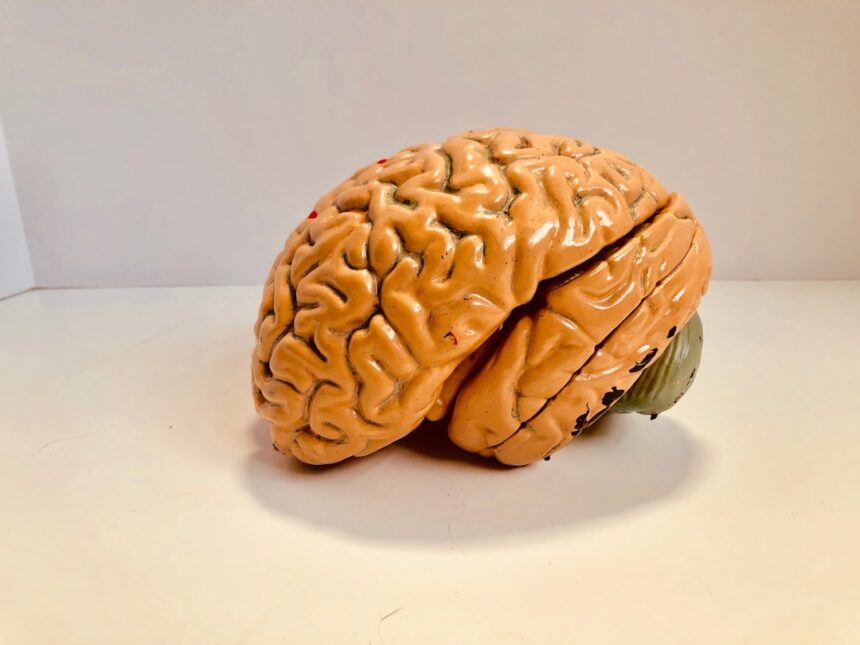
Your brain, a universe of billions of neurons, communicates through a symphony of electrical impulses. In Temporal Lobe Epilepsy, this symphony can occasionally transform into a chaotic storm. TLE is a neurological disorder characterized by recurrent seizures that originate in the temporal lobes of your brain. These lobes, nestled just behind your temples, are crucial for a vast array of functions, including memory formation and retrieval, auditory processing, language comprehension, and emotional regulation. When there’s a disruption, a misplaced spark or an uncontrolled surge of electrical activity within these vital regions, seizures can manifest. These seizures can range from subtle, almost imperceptible internal experiences to more noticeable physical events. For many individuals with TLE, déjà vu isn’t just a curious mental glitch; it is the very prologue to a more significant event, an aura that heralds the onset of a seizure.
The Temporal Lobes: Architects of Memory and Experience
To grasp why déjà vu is so intrinsically linked to TLE, you must first appreciate the role of the temporal lobes. Think of your temporal lobes as vast libraries, cataloging your entire life’s experiences. They are responsible for encoding new memories, storing them, and retrieving them when needed. This process involves complex interactions between different brain regions, with the hippocampus and amygdala, both located within the temporal lobes, playing particularly pivotal roles. The hippocampus is like the librarian, meticulously organizing and filing away incoming information. The amygdala, on the other hand, acts as the emotional curator, attaching feelings and significance to each memory. When this sophisticated filing system experiences an electrical disruption, memories can become jumbled, replayed, or misinterpreted, leading to the sensation of familiarity in novel situations.
Seizure Genesis: The Where and the How
TLE seizures typically begin in one or both of the temporal lobes. The precise cause of this electrical misfiring is not always clear, but factors such as genetic predisposition, head injuries, strokes, infections, or tumors can contribute. The uncontrolled electrical discharge can spread from a focal point within the temporal lobe to surrounding areas, affecting various functions. The nature and intensity of the seizure depend on the extent and direction of this electrical spread. For individuals who experience déjà vu as part of their seizure experience, it often signifies that the electrical disruption has begun to impact the mnemonic circuits within the temporal lobes.
Déjà Vu: The Mirage of Memory
The term “déjà vu” itself, French for “already seen,” perfectly encapsulates the uncanny feeling. You are presented with a situation that your conscious mind registers as entirely new, yet an overwhelming sense of prior acquaintance washes over you. It’s like stepping into a dream that has somehow bled into your waking reality. While déjà vu can occur in healthy individuals, its frequency and character can be notably different for those with TLE. In the context of TLE, déjà vu is not merely a whimsical trick of the mind; it is often a tangible symptom, a whisper from the electrical surge that is beginning to ripple through your temporal lobes.
The Many Faces of Déjà Vu
It’s important to understand that déjà vu is not a monolithic experience. It can manifest in various forms, each offering a unique clue about the underlying neural activity. For you, the sensation might be a brief flicker of recognition, or it could be a sustained and vivid feeling of reliving an event. The content of the déjà vu can also vary – it might be an entire scene, a conversation, or even just a specific object or sound. Recognizing these nuances is crucial for your self-awareness and for effectively communicating your experiences to your healthcare providers.
Possible Neurological Explanations for Déjà Vu
Neuroscientists are still actively researching the precise mechanisms behind déjà vu, even in the general population. Several theories exist, and it’s plausible that multiple factors contribute. One prominent theory suggests a momentary disruption in memory processing, where a new experience is mistakenly sent to long-term memory storage before it has been fully processed by the sensory input pathways. This creates a “mismatch” sensation, where the brain believes it’s retrieving something familiar when it’s actually encoding something new. Another theory points to a slight delay in neural pathways, where information arrives at different brain regions at slightly different times, creating the illusion of familiarity. In TLE, these “glitches” in the neural machinery are magnified and become more frequent due to the underlying epileptic activity.
Déjà Vu as an Aura: The Harbingers of Seizures
For a significant proportion of individuals with TLE, déjà vu is not an isolated event but rather a type of epileptic aura. An aura is a subjective sensory or psychological experience that can precede a more generalized seizure. Think of it as your brain’s early warning system, a distinct signal that a seizure is brewing. Déjà vu, in this context, is a specific type of sensory or cognitive aura. It’s your brain’s way of saying, “Attention, something is about to happen.” Understanding déjà vu as an aura is a critical step in managing your condition, as it can empower you to recognize the onset of a seizure and take appropriate action.
Identifying Your Personal Aura
Your experience of déjà vu as an aura will be unique to you. It’s like having your own personal alarm code. It might always occur in the same way, or it could vary subtly. Paying close attention to when and how your déjà vu arises is paramount. Does it happen at specific times of day? Are there any triggers you can identify? Does it always precede the same type of seizure? Developing a keen observational awareness of your auras is a skill that can significantly improve your quality of life and your safety. Maintaining a seizure diary can be an invaluable tool in this process, providing a structured way to record these subtle, yet important, signals.
The Temporal Lobe’s Role in Aura Formation
The temporal lobes are particularly adept at generating a wide range of auras because of their extensive connections to other brain regions involved in sensory processing, memory, and emotion. When electrical activity within the temporal lobes becomes dysregulated, it can directly stimulate these associated areas, leading to the diverse sensory and emotional experiences associated with auras. For example, stimulation of memory retrieval pathways can lead to déjà vu, while stimulation of visual processing areas might cause visual disturbances. Your déjà vu aura is a direct reflection of the electrical misfiring occurring within these critical temporal lobe structures.
The Neurological Underpinnings: What’s Happening in Your Brain
When you experience déjà vu as a symptom of TLE, it signifies a specific pattern of electrical activity within your temporal lobes. The exact neural circuits involved are complex and still under investigation, but researchers have identified key areas and networks that are likely implicated. Understanding these neurological underpinnings can demystify the experience and provide a scientific basis for your symptoms.
Hippocampal Involvement: The Memory Nexus
The hippocampus, often described as the brain’s central hub for memory formation, is extensively implicated in déjà vu experienced in TLE. When electrical discharges within or around the hippocampus occur, they can trigger aberrant recall or encoding processes. Imagine your hippocampus as a projector displaying fragments of past experiences onto the screen of your present awareness. In TLE, this projector can flicker or skip, mistakenly playing a past scene as if it were new. This misfiring can create the illusion that a novel situation has already been experienced.
Amygdala Activation: The Emotional Stamp
The amygdala, responsible for processing emotions and attaching emotional significance to memories, also plays a role. If the electrical discharge in the temporal lobe affects the amygdala, it can imbue the déjà vu experience with a heightened sense of familiarity or even a feeling of unease or anxiety, depending on the emotional valence of the misfired memory. The amygdala acts like a strong emotional seal on memories, and when this seal is activated inappropriately, it can amplify the feeling of “I know this.”
Rhinal Cortex and Parahippocampal Gyrus: The Bridges of Memory
Other areas within the medial temporal lobe, such as the rhinal cortex and the parahippocampal gyrus, are crucial for memory and familiarity. These regions act as critical bridges, connecting the hippocampus to other parts of the brain involved in recognizing and processing information. Dysfunctional electrical activity in these areas can lead to a faulty assessment of familiarity, making a new experience feel old. Think of these areas as the sensory pathways that inform your brain about the novelty or familiarity of a situation. When these pathways are disrupted, they can send a confused signal.
Living with TLE and Déjà Vu: Strategies for Empowerment
Understanding that your déjà vu is a symptom of TLE is the first step towards effective management. It transforms a potentially frightening or confusing experience into a valuable piece of information about your condition. Armed with this knowledge, you can develop strategies to navigate your seizures more effectively, enhance your safety, and improve your overall quality of life.
Communicating with Your Healthcare Team
Open and honest communication with your neurologist or healthcare team is paramount. When you experience déjà vu, particularly if it precedes other seizure symptoms, describe it in detail. What did you feel? How long did it last? Did it feel similar to previous experiences? The more precise information you can provide, the better your doctor can understand your seizure patterns and tailor your treatment. Use your seizure diary as your evidence, a reliable witness to your internal experiences.
Developing Seizure Management Strategies
Recognizing your déjà vu as an aura can provide you with precious moments to take action. Depending on the nature of your seizures, this might involve:
- Moving to a safe place: If you feel a seizure coming, try to find a place where you are less likely to injure yourself, such as sitting down or lying on the floor.
- Informing others: If you are with someone, let them know you are experiencing an aura and may be about to have a seizure. This allows them to provide assistance and ensure your safety.
- Medication timing: In some cases, your doctor may prescribe anti-seizure medications that can be taken as needed when you recognize an aura, potentially preventing a full seizure. This is a strategy that must be discussed thoroughly with your medical professional.
Lifestyle Adjustments for Seizure Control
Beyond immediate seizure management, certain lifestyle adjustments can contribute to overall seizure control in TLE. These might include:
- Stress management: Stress can be a significant trigger for seizures. Exploring relaxation techniques such as mindfulness, meditation, or deep breathing exercises can be beneficial.
- Adequate sleep: Sleep deprivation is another common seizure trigger. Prioritizing consistent and sufficient sleep is crucial.
- Healthy diet and hydration: While not a direct cure, maintaining a healthy diet and staying well-hydrated supports overall brain health and can contribute to better seizure control.
- Avoiding triggers: Identifying and avoiding personal seizure triggers, which may include certain lights, sounds, or even specific activities, can help reduce seizure frequency.
Your journey with TLE and déjà vu is one of ongoing learning and adaptation. By understanding the intricate workings of your temporal lobes and the way they manifest as déjà vu, you are more empowered to navigate this neurological landscape. Remember, while the experience can be unsettling, it is also a powerful indicator, a guide that, when understood, can lead to better seizure management and a more fulfilling life.
FAQs
What is temporal lobe epilepsy?
Temporal lobe epilepsy (TLE) is a neurological condition characterized by recurrent seizures originating in the temporal lobes of the brain. These seizures can affect memory, emotions, and sensory experiences.
What does déjà vu mean in the context of temporal lobe epilepsy?
In temporal lobe epilepsy, déjà vu refers to a sensation where a person feels that a current experience has happened before, even though it is new. This is a common aura or symptom experienced before or during a seizure.
How common is déjà vu among people with temporal lobe epilepsy?
Déjà vu is a frequent symptom in temporal lobe epilepsy, reported by many patients as part of their seizure aura. It is considered one of the hallmark signs of seizures originating in the temporal lobe.
Are déjà vu experiences in temporal lobe epilepsy different from normal déjà vu?
Yes, déjà vu in temporal lobe epilepsy is often more intense, frequent, and may be accompanied by other symptoms such as confusion, fear, or sensory distortions. It usually occurs as part of a seizure rather than a brief, isolated feeling.
Can déjà vu symptoms help diagnose temporal lobe epilepsy?
Yes, experiencing recurrent déjà vu episodes, especially when accompanied by other neurological symptoms, can be an important clinical clue in diagnosing temporal lobe epilepsy. Neurologists often consider these symptoms when evaluating patients for epilepsy.