
Unlocking the Brain’s Potential: The Power of Repetition and Neuroplasticity
Your brain, a three-pound universe of intricate connections, is not a static entity. For centuries, the prevailing belief was that once adult development concluded, the brain’s architecture was largely fixed. However, modern neuroscience has dismantled this notion, revealing a dynamic and adaptable organ capable of profound change throughout your life. This remarkable ability is known as neuroplasticity, and its most potent catalyst is, surprisingly, something you’ve been doing since childhood: repetition.
Neuroplasticity, in essence, is your brain’s capacity to reorganize itself by forming new neural connections throughout life. Think of your brain as a vast, interconnected city. When you learn something new or engage in a repeated behavior, you are essentially forging new roads or strengthening existing highways within this city. These roads allow information to flow more efficiently, making the learned skill or knowledge more accessible and automatic.
The Molecular Basis of Change
At a fundamental level, neuroplasticity involves changes in the strength and number of synapses, the junctions between neurons where information is transmitted. When you practice a skill, the neurons involved in that process fire together more frequently. This repeated co-activation leads to a process called long-term potentiation (LTP) at the synaptic level. Imagine a handshake; the more often two people shake hands, the firmer and more familiar that connection becomes. Similarly, LTP strengthens synaptic connections, making the neural pathway more robust. Conversely, pathways that are not used may weaken, a process known as long-term depression (LTD), akin to a seldom-used road falling into disrepair.
Structural and Functional Adaptations
Neuroplasticity isn’t just about microscopic synaptic changes. It also encompasses larger-scale structural and functional alterations. Your brain can actually increase the density of gray matter (containing neuron cell bodies) in areas associated with a particular skill. For instance, studies have shown that London taxi drivers, who must memorize a vast network of streets, develop larger hippocampi, a region crucial for spatial memory, than control groups. Functionally, brain regions can also be recruited to take over tasks previously handled by damaged areas, a phenomenon observed in individuals recovering from stroke. This demonstrates the brain’s innate ability to reroute and find alternative solutions when faced with challenges.
Neuroplasticity, the brain’s remarkable ability to reorganize itself by forming new neural connections, is significantly influenced by the power of repetition. A related article that delves deeper into this fascinating topic can be found at Unplugged Psych, where the author explores how consistent practice and repeated experiences can enhance learning and memory, ultimately reshaping our cognitive functions. This understanding underscores the importance of incorporating repetitive activities into our daily routines to foster mental growth and resilience.
The Engine of Change: The Role of Repetition
Repetition is the silent, tireless architect of your brain’s rewiring. Without consistent practice, the nascent neural pathways formed during learning remain fragile and fleeting. It is through repeated engagement that these pathways are solidified, becoming more efficient and integrated into your neural repertoire.
From Conscious Effort to Automaticity
When you first attempt a new skill, be it playing a musical instrument, speaking a new language, or performing a complex athletic maneuver, it requires significant conscious effort. Your brain is working overtime, meticulously coordinating a multitude of neural signals. This is the initial phase of pathway formation. With each subsequent practice session, the neural signals become smoother, faster, and less demanding on your attentional resources. This transition from conscious effort to automaticity is a hallmark of effective repetition. Think of learning to drive: initially, every action – steering, braking, checking mirrors – is a deliberate, taxing process. Over time, these actions become second nature, freeing up your cognitive capacity to focus on the road ahead.
Strengthening Neural Networks
Repetition doesn’t just strengthen individual synapses; it reinforces entire neural networks. These networks are complex webs of interconnected neurons that work in concert to perform specific functions. By repeatedly engaging in a behavior, you are essentially “lighting up” these networks, strengthening the connections between their constituent neurons. This creates a more cohesive and robust network, allowing for faster and more accurate information processing. For example, a chess player who studies and practices countless game scenarios develops highly interconnected neural networks for pattern recognition and strategic planning.
Overcoming the Forgetting Curve
The forgetting curve, a concept popularized by Hermann Ebbinghaus, illustrates how quickly we tend to forget information if we don’t revisit it. Repetition acts as a powerful antidote to this phenomenon. By regularly revisiting learned material or practicing a skill, you actively counter the decay of neural connections. Spaced repetition, a technique where you review information at increasing intervals, is particularly effective. This method leverages the brain’s memory consolidation processes, ensuring that information moves from short-term to long-term storage. Imagine trying to sculpt a statue; without continuous chiseling and refinement, the initial form would quickly erode. Repetition is your chisel, shaping and preserving your cognitive creations.
The Practice Spectrum: Nuances of Effective Repetition

Not all repetition is created equal. Simply going through the motions without mindful engagement can lead to superficial learning and ingrained errors. Effective repetition involves a spectrum of approaches, each contributing to a deeper and more adaptive neuroplastic change.
Deliberate Practice: The Art of Focused Effort
Deliberate practice, a term coined by Anders Ericsson, is perhaps the most powerful form of repetition. It involves focused, planned, and systematic efforts to improve performance, often pushing beyond one’s current capabilities. This type of practice is characterized by a clear goal, immediate feedback, and the opportunity to correct errors. It’s not just about doing something repeatedly, but about actively analyzing your performance, identifying weaknesses, and strategically targeting them in subsequent practice sessions. For a musician, this might involve isolating a difficult passage and practicing it slowly and precisely, rather than simply playing the entire piece repeatedly with mistakes.
Varied Practice: Broadening the Neural Landscape
While focused repetition is crucial, introducing variety into your practice can also enhance neuroplasticity. Varied practice exposes your brain to different contexts and stimuli, making the learned skill more adaptable and resilient. For instance, a tennis player who only practices serves on a single court might struggle on different court surfaces or in varying wind conditions. By practicing serves in diverse environments, they build more generalized motor programs that are less susceptible to specific environmental factors. This broadens the neural landscape associated with the skill, making it applicable in a wider range of situations.
Reflective Practice: The Power of Internal Review
Beyond the physical act of repetition, reflective practice plays a vital role. This involves taking time to think about your practice, analyze your performance, and consider what you’ve learned. This meta-cognitive process helps to solidify understanding and identify areas for further improvement. Keeping a practice journal, discussing your progress with a mentor, or simply taking a few moments to mentally review your actions can significantly enhance the benefits of repetition. This internal dialogue with yourself is like a cartographer reviewing their maps, ensuring accuracy and identifying unexplored territories.
Applications Across Domains: Where Neuroplasticity Shines
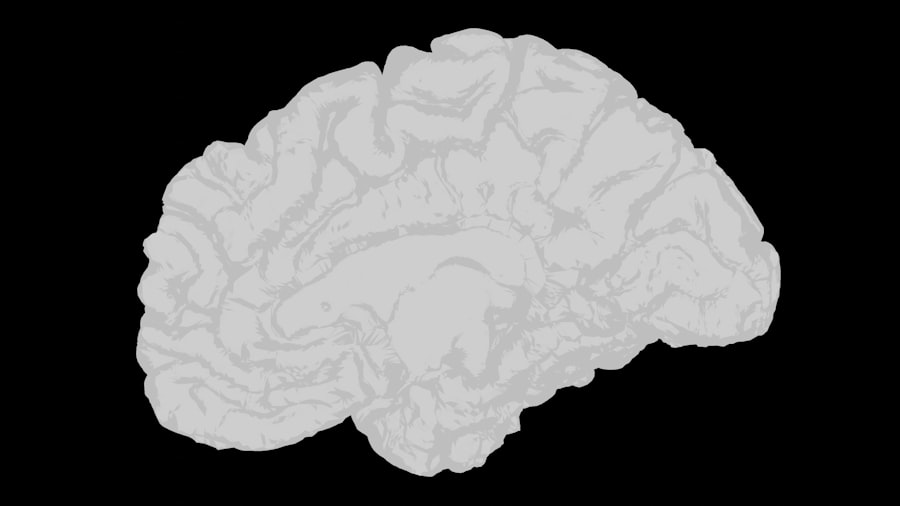
The principles of neuroplasticity and the power of repetition are not confined to academic or athletic pursuits. They are fundamental to learning and adaptation in virtually every aspect of human experience.
Skill Acquisition: From Novice to Expert
The journey from novice to expert in any field is paved with repetition. Whether you are learning to code, mastering a new culinary technique, or developing a scientific theory, consistent practice is the bedrock of mastery. Each deliberate or varied practice session, each moment of reflection, contributes to the intricate neural architecture that underpins expertise. The difference between a beginner and a master often lies not in innate talent, but in the sheer volume and quality of their focused, repeated engagement.
Recovery and Rehabilitation: Rebuilding Neural Highways
Neuroplasticity offers profound hope for individuals recovering from brain injuries, strokes, or neurological disorders. Through therapeutic exercises and consistent rehabilitation, the brain can reroute pathways and regain lost functions. This process is a testament to the brain’s inherent resilience. Repetitive physical therapy, speech therapy, or cognitive training exercises are designed to stimulate the formation and strengthening of new neural connections, allowing individuals to relearn skills and adapt to their circumstances. It’s like rebuilding crucial infrastructure in a city after a natural disaster, rerouting traffic and establishing new communication lines.
Emotional and Cognitive Well-being: Cultivating a Resilient Mind
The power of repetition extends beyond motor skills and cognitive abilities; it influences your emotional and cognitive well-being. Negative thought patterns, anxieties, and maladaptive behaviors can become deeply ingrained neural habits. However, just as these patterns can be learned, they can also be unlearned and replaced with more constructive ones through conscious effort and repetition. Mindfulness meditation, for example, is a practice that involves repeatedly focusing your attention, which can retrain your brain to be less reactive to negative stimuli and more present in the moment. This is akin to tending a garden; through consistent weeding and careful cultivation, you can transform a patch of overgrown weeds into a flourishing oasis.
Neuroplasticity, the brain’s remarkable ability to reorganize itself by forming new neural connections, plays a crucial role in learning and memory. A fascinating aspect of this process is the power of repetition, which reinforces these connections and enhances our skills over time. For a deeper understanding of how repetition can influence neuroplasticity and improve cognitive functions, you can explore this insightful article on the topic at Unplugged Psychology. By engaging with these concepts, we can better appreciate how our brains adapt and grow through consistent practice and experience.
Embracing the Process: Your Lifelong Learning Journey
| Metric | Description | Typical Values/Examples | Relevance to Neuroplasticity & Repetition |
|---|---|---|---|
| Synaptic Strengthening | Increase in synaptic efficacy between neurons | Up to 200% increase after repeated stimulation | Repetition enhances synaptic connections, facilitating learning |
| Long-Term Potentiation (LTP) | Persistent strengthening of synapses based on recent activity | Can last hours to days after repeated stimuli | Core mechanism underlying memory formation through repetition |
| Neurogenesis Rate | Generation of new neurons in the brain | ~700 new neurons/day in the hippocampus (adult humans) | Repetition and learning tasks can promote neurogenesis |
| Myelination Increase | Thickening of myelin sheath around axons | Up to 20% increase with consistent practice over weeks | Repetition improves signal transmission speed and efficiency |
| Practice Duration | Time spent repeating a task | Minimum 10,000 hours for expert-level skill acquisition | Extended repetition is critical for deep neuroplastic changes |
| Repetition Frequency | Number of repetitions per session | Typically 20-50 repetitions per session for motor learning | Higher frequency promotes faster synaptic remodeling |
| Retention Rate | Percentage of skill or knowledge retained over time | Up to 80% retention after spaced repetition | Repetition spaced over time enhances long-term retention |
Understanding neuroplasticity and the power of repetition empowers you to take an active role in shaping your own brain. It shifts the perspective from a fixed inherent ability to a malleable, trainable asset.
Setting Realistic Goals and Expectations
Recognizing that significant change takes time and consistent effort is crucial. Avoid the allure of quick fixes or the frustration of immediate, overwhelming results. Embrace the process, celebrate small victories, and understand that setbacks are an inevitable part of learning. Your brain is a complex system, and its transformation is a marathon, not a sprint.
Cultivating a Growth Mindset
A growth mindset, the belief that your abilities can be developed through dedication and hard work, is intrinsically linked to embracing neuroplasticity. When you view challenges as opportunities for learning and growth, rather than as indicators of innate limitations, you are more likely to persist with repetitive practice and embrace the effort required for change. This mindset fuels the engine of neuroplasticity, turning potential into tangible progress.
The Synergy of Repetition and Intent
Ultimately, the true unlocking of your brain’s potential lies in the synergy between consistent repetition and mindful intent. It is not merely the act of doing something repeatedly, but the conscious engagement, the focused effort, and the commitment to improvement that truly ignites neuroplastic change. By understanding and embracing these principles, you become the architect of your own neural landscape, continuously building and refining the remarkable instrument that is your brain.
FAQs
What is neuroplasticity?
Neuroplasticity is the brain’s ability to reorganize itself by forming new neural connections throughout life. This adaptability allows the brain to compensate for injury, adjust to new experiences, and learn new information.
How does repetition influence neuroplasticity?
Repetition strengthens neural pathways by repeatedly activating specific circuits in the brain. This consistent activation enhances synaptic connections, making it easier for the brain to perform the repeated task or recall the information.
Can neuroplasticity occur at any age?
Yes, neuroplasticity occurs throughout a person’s life. While it is most pronounced during childhood, the adult brain also retains the ability to change and adapt in response to learning, experience, and injury.
What types of activities promote neuroplasticity through repetition?
Activities such as practicing a musical instrument, learning a new language, physical exercise, meditation, and repetitive skill training promote neuroplasticity by consistently engaging specific brain regions.
How long does it take for repetition to create lasting changes in the brain?
The time required varies depending on the complexity of the task and individual differences, but generally, consistent practice over weeks to months is needed to create lasting neural changes and improve performance.