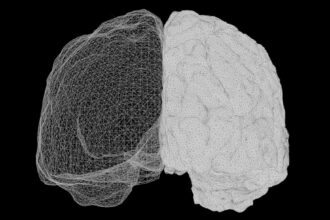
You find yourself in a common yet often unacknowledged predicament: the “arousal hijack.” This term describes a situation where your physiological responses, specifically those associated with sexual arousal, take control of your cognitive processes, leading to decisions or behaviors you might later regret or find to be incongruent with your long-term values. It’s not a moral failing; rather, it’s a neurobiological phenomenon. Your brain, in its efficient and ancient wisdom, prioritizes procreation, and when specific triggers are present, it can shunt resources away from the prefrontal cortex – your center for rational thought, planning, and impulse control – towards the limbic system, responsible for emotions, memory, and, crucially, fundamental drives like sex. Effectively, you are operating on a different operating system, one that bypasses your usual executive functions. Understanding this mechanism is the first step toward regaining control. This article provides five evidence-based strategies to disarm the arousal hijack, allowing you to navigate sexually charged situations with intentionality rather than being swept away by biological imperatives.
Before the hijack fully takes hold, your body and mind offer subtle cues. Learning to identify these early warning signs is paramount. Think of it like a smoke detector; it goes off before the house is fully engulfed in flames.
1.1. The Physiological Shift
Your body often speaks before your mind consciously registers. You might notice:
- Increased Heart Rate: A subtle quickening of your pulse, even before explicit sexual thoughts emerge. This is your autonomic nervous system preparing for action.
- Shallow Respiration: Your breathing may become more rapid and less deep, indicating a shift from a relaxed state.
- Muscle Tension: A subtle tightening in your jaw, shoulders, or other muscle groups. This isn’t necessarily negative tension, but rather a bodily preparation.
- Warmth or Flushing: A slight increase in body temperature or a flush to your cheeks, a common response to physiological arousal.
1.2. Cognitive Indicators
Your thoughts and perceptions also undergo a change:
- Tunnel Vision: You may find your attention narrowing, focusing intensely on the source of arousal while other aspects of your surroundings or potential consequences fade into the background. This is a deliberate neurological maneuver to prioritize the perceived opportunity.
- Justification and Rationalization: Your internal monologue might begin to construct arguments for why engaging in the tempting behavior is acceptable, even desirable, overlooking previous commitments or inhibitions. For example, if you’ve decided to avoid certain types of content or interactions, your mind might invent reasons why “this one time” is different.
- Escalating Fantasies: Your imagination may become more elaborate and vivid, painting increasingly compelling scenarios that further intensify the internal state of arousal, effectively feeding the loop.
- Diminished Sense of Risk: The potential negative consequences, such as health risks, relationship strain, or personal regret, may appear less significant or less immediate than they would in a calmer state. This cognitive distortion is a hallmark of the hijack.
1.3. Emotional Alterations
Your emotional landscape can also signal an impending hijack:
- Intense Anticipation: A powerful feeling of eagerness and desire, sometimes mixed with a sense of urgency, that can override other emotional states like caution or concern.
- Temporary Suppression of Guilt or Shame: While these emotions might return with force later, in the throes of an arousal hijack, they are often temporarily muted, allowing for unchecked pursuit of the arousal source.
- Heightened Sensitivity to Cues: You become more attuned to subtle sexual cues in your environment, whether they are visual, auditory, or even olfactory, further drawing you into the state of arousal. This is a feedback loop: arousal makes you more sensitive, which in turn increases arousal.
By meticulously observing these subtle changes, you gain a critical window of opportunity to intervene before the hijack achieves full operational control. This self-awareness is your primary defense.
In exploring the concept of disarming the arousal hijack, it’s beneficial to refer to an insightful article that delves deeper into emotional regulation and mindfulness techniques. You can find valuable strategies and tips in this related piece on the Unplugged Psych website, which provides a comprehensive overview of how to manage intense emotional responses effectively. For more information, visit Unplugged Psych.
2. Implement Strategic Pauses and Circuit Breakers
Once you recognize the early signs, the next step is to actively disrupt the escalating process. This involves creating deliberate breaks in the arousal cycle. Think of it as hitting the emergency stop button on an out-of-control train.
2.1. Physical Disengagement
Sometimes, the simplest solution is to physically remove yourself from the stimulating environment.
- Change of Scenery: If you are in a location that is triggering arousal (e.g., a specific room, in front of a screen), physically move to a different, neutral environment. This spatial separation can disrupt the associative links your brain has formed.
- Engagement in a Non-Sexual Activity: Immediately switch to an activity that requires cognitive focus but is entirely unrelated to sexual arousal. This could be solving a puzzle, doing household chores, engaging in vigorous exercise, or even making a phone call to a friend. The key is to redirect your mental and physical energy.
- Deep Breathing Exercises: Calming your physiological state can help to downregulate arousal. Engaging in slow, deep diaphragmatic breathing activates your parasympathetic nervous system, counteracting the “fight or flight” response triggered by arousal. Inhale slowly for four counts, hold for seven, and exhale slowly for eight. Repeat this several times.
2.2. Cognitive Re-framing and Mindful Observation
Your thoughts are powerful catalysts. By intentionally altering your cognitive patterns, you can diminish the intensity of the hijack.
- Label the Experience: Acknowledge what is happening without judgment. Mentally state to yourself, “I am experiencing arousal hijacking. My body is reacting, and my mind is prioritizing immediate gratification.” This act of labeling creates a small degree of cognitive distance.
- Connect to Long-Term Goals and Values: Consciously bring to mind your overarching life goals, your values, and the potential consequences of succumbing to the immediate urge. Ask yourself: “Does this action align with the person I aspire to be?” or “What are the long-term implications of this choice for my relationships, health, or self-respect?” This forces your prefrontal cortex back online.
- Mindful Observation of Sensations: Instead of being swept away by the sensations, observe them with detachment. Notice the warmth, the tension, the quickened pulse, as if you were an impartial scientist. “My heart is beating faster. I feel a warmth spreading in my abdomen. These are just sensations.” This technique, derived from mindfulness practices, allows you to experience arousal without being controlled by it.
2.3. Social and Environmental Barriers
Proactive measures in your environment can serve as external circuit breakers.
- Utilize Technology Limits: If digital content is a trigger, employ website blockers, content filters, or time-limit apps on your devices. These external controls can provide a necessary friction point, giving you time to interrupt the hijack cycle before it fully forms.
- Communicate Boundaries: If a person or a specific social interaction frequently triggers the hijack, communicate your boundaries clearly and firmly. This might involve limiting contact, avoiding certain topics, or declining invitations to specific environments. Your personal integrity is worth potentially uncomfortable conversations.
- Establish “No-Go” Zones or Times: Identify specific times or locations where you are more susceptible to arousal hijack, and proactively avoid them or implement strict rules for those periods. For example, “I will not browse the internet after 10 PM,” or “I will not be alone with X person in Y environment.”
These strategic pauses and circuit breakers are not about denying or suppressing natural human drives. Instead, they are about creating the mental space for you to exercise conscious choice, rather than being driven by instinct alone.
3. Cultivate Emotional Regulation Skills
Arousal, particularly sexual arousal, is deeply intertwined with your emotional landscape. Often, what you experience as “arousal hijack” can be compounded by underlying emotional states that you are not consciously processing. Learning to manage your general emotional state can significantly reduce the likelihood and intensity of these hijacks.
3.1. Identify and Name Underlying Emotions
Sometimes, what you assume is purely sexual arousal is actually a mixture of other emotions masquerading as desire.
- Beyond Desire: Explore if you are experiencing boredom, loneliness, anxiety, stress, or even anger that is being channeled or masked by sexual urges. Your brain might be using sexual arousal as a default coping mechanism for discomfort, much like how some people eat when stressed.
- Journaling: Regularly engaging in journaling can help you unpack your emotional states. Write down when you feel the hijack beginning and what emotions were present leading up to it. This pattern recognition is invaluable. For example: “I felt stressed after work, then I started browsing certain sites.”
- Emotional Check-ins: Periodically throughout your day, and especially when you feel a pull towards potential triggers, pause and conduct a self-check. Ask yourself: “What am I truly feeling right now? What do I need?”
3.2. Develop Healthy Coping Mechanisms
Once you identify underlying emotions, develop alternative, non-sexual ways to address them. This is about widening your emotional toolkit.
- Stress Management Techniques: If stress is a trigger, incorporate practices like meditation, progressive muscle relaxation, or yoga into your routine. These techniques directly address the physiological tension that underlies stress and can be a precursor to arousal.
- Social Connection: If loneliness is a factor, actively seek out meaningful social interactions. Connect with friends, family, or community groups. Human connection is a powerful antidote to isolation.
- Engage in Hobbies: Boredom can be a potent trigger. Cultivate engaging hobbies that provide a sense of accomplishment or pleasure, such as learning a new skill, creating art, reading, or playing sports.
- Therapeutic Support: If you find yourself consistently struggling with intense emotions or feel overwhelmed, seeking guidance from a therapist or counselor can provide you with personalized strategies and deeper insights into your emotional patterns.
3.3. Practice Self-Compassion
Emotional regulation is a journey, not a destination. There will be setbacks. How you respond to these setbacks is crucial.
- Avoid Self-Flagellation: When you do experience an arousal hijack or succumb to an urge you regret, avoid harsh self-criticism. This rarely helps and often perpetuates a cycle of negative feelings that can increase susceptibility to future hijacks.
- Mindful Forgiveness: Acknowledge the misstep, understand it as a learning opportunity, and then practice self-forgiveness. Tell yourself, “This happened. I learned from it. I can move forward.”
- Focus on Progress, Not Perfection: Celebrate small victories in disarming the hijack. Each time you successfully intervene, or even just recognize the signs earlier, you are strengthening your capacity for control. This positive reinforcement encourages continued effort.
By actively engaging with your emotional world, you become less susceptible to external stimuli dictating your internal state. You build an inner resilience that allows you to weather emotional storms without defaulting to sexually driven coping mechanisms.
4. Reconfigure Your Environment and Digital Landscape
You are not merely a passive recipient of your environment; you actively shape it, and in turn, it shapes you. Proactive environmental engineering – both physical and digital – can significantly reduce your exposure to triggers and strengthen your ability to resist arousal hijacks. This is about building a fort before the attack.
4.1. Physical Environment Audits
Examine your physical surroundings for potential hijack triggers.
- Declutter and Rearrange: Remove items from your immediate environment that are sexually suggestive or associated with past arousal hijacks. If certain magazines, books, or pieces of art consistently draw your attention in a counterproductive way, relocate them or remove them entirely.
- Optimize Your Workspace/Living Space: Ensure your primary living and working spaces are conducive to focus, relaxation, and your long-term goals, rather than casual browsing or instant gratification. For example, position your computer in a public area of your home if solo use in a private room is a trigger.
- Create “Safe” Zones: Designate specific areas of your home or office as zones where certain activities are prohibited. For instance, “no internet browsing in the bedroom” or “no social media on the couch after 9 PM.” This creates a structured environment that supports your intentional choices.
4.2. Digital Environment Management
In the modern era, the digital world is a significant source of potential triggers. Your digital landscape requires as much, if not more, intentional configuration than your physical one.
- Curate Your Feeds and Subscriptions: Unfollow or mute accounts on social media that consistently present sexually suggestive content, even if it’s implicitly. Unsubscribe from newsletters or mailing lists that send triggering material. Be ruthless in cleaning your digital diet. Your attention is a finite resource; protect it.
- Utilize Content Filters and Blocking Software: Install website blockers (e.g., Cold Turkey, Freedom) and content filters on all your devices. Configure them to be difficult to bypass, perhaps even requiring a password known only to a trusted friend. This creates an external barrier that provides precious time to interrupt the hijack.
- Manage Notifications: Turn off notifications for apps or platforms that are frequent sources of arousal triggers. Constant pings can disrupt focus and draw you back into the digital realm where triggers reside.
- Create Separate Profiles or Devices: Consider using separate user profiles on your computer or even separate devices for work/productivity versus leisure/entertainment, especially if your leisure-time activities often lead to triggers. This physical separation can create a mental barrier.
- Regular Digital Detoxes: Periodically schedule complete breaks from digital devices. Even short periods (a few hours, a full day) can reset your cognitive patterns and reduce the conditioned response to digital stimulation.
4.3. Proactive Planning for High-Risk Situations
Anticipate situations where you might be more vulnerable to arousal hijacks and plan accordingly.
- Establish Pre-Commitment Strategies: Before entering a potentially triggering environment (e.g., a party where you know a certain individual will be present, or a solitary evening at home), pre-commit to a specific course of action. “If I feel an urge to [X], I will immediately [Y].”
- Develop a “Fire Drill” Plan: Create an explicit, step-by-step plan for what you will do when you feel the hijack starting. This plan should be so ingrained that it can be executed almost automatically when your rational mind is under siege. “Step 1: Put down device. Step 2: Leave room. Step 3: Do 10 push-ups. Step 4: Call a friend.”
- Communicate with Trusted Allies: If appropriate and safe, communicate your intentions and vulnerabilities to a trusted friend or partner. They can provide accountability or simply be a listening ear when you need to enact your disarming strategies.
By actively reconfiguring your external and digital worlds, you are not just reacting to triggers; you are proactively minimizing their presence and potency, making it easier for your rational mind to remain in control. This environmental control is a powerful, often overlooked, strategy.
In the quest to understand and manage our emotional responses, particularly the phenomenon known as arousal hijack, it’s essential to explore effective strategies for regaining control. One insightful resource on this topic can be found in a related article that discusses practical techniques for disarming these intense emotional reactions. By learning to recognize the signs of arousal hijack and implementing mindfulness practices, individuals can cultivate a greater sense of emotional regulation. For more detailed guidance on this subject, you can read the article here.
5. Cultivate a Mindset of Self-Efficacy and Purpose
| Step | Technique | Description | Effectiveness | Time to Implement |
|---|---|---|---|---|
| 1 | Pause and Breathe | Take slow, deep breaths to calm the nervous system and reduce immediate emotional response. | High | 10-30 seconds |
| 2 | Label the Emotion | Identify and name the emotion you are feeling to create distance from the hijack. | Moderate to High | 30 seconds |
| 3 | Engage the Prefrontal Cortex | Use rational thinking or problem-solving to override the emotional response. | High | 1-2 minutes |
| 4 | Practice Mindfulness | Focus on present sensations without judgment to reduce emotional reactivity. | Moderate | 2-5 minutes |
| 5 | Use Grounding Techniques | Focus on physical sensations (e.g., feet on the ground) to anchor yourself in the present. | Moderate | 1-2 minutes |
| 6 | Reframe the Situation | Change your interpretation of the triggering event to reduce emotional intensity. | Moderate | 2-3 minutes |
Ultimately, disarming arousal hijack is less about brute-force willpower and more about cultivating a deeper sense of self-control and purpose. When your life is imbued with meaning and direction, the pull of immediate, often fleeting, gratification diminishes.
5.1. Reinforce Your Values and Identity
Your values act as your internal compass, guiding your actions even in challenging situations. Reconnecting with them strengthens your resolve.
- Define Your Core Values: Spend time reflecting on what truly matters to you. Is it integrity, honesty, loyalty, personal growth, health, or spiritual well-being? Write these down and keep them visible.
- Align Actions with Values: Regularly assess whether your daily actions, including your responses to arousal, are congruent with these core values. When they are not, it creates cognitive dissonance, and you are more likely to seek change.
- Craft a Desired Identity: Instead of focusing on what you don’t want to be, focus on the person you do want to become. For example, instead of “I don’t want to be someone who constantly surrenders to impulse,” reframe it as “I am a person of integrity who makes intentional choices.” This positive framing reinforces your desired behavior.
5.2. Embrace a Growth Mindset
View attempts to disarm arousal hijack not as a series of pass/fail tests, but as opportunities for learning and incremental improvement.
- Learn from Setbacks: When you experience a hijack, instead of seeing it as a failure, analyze it: What were the triggers? What could you have done differently? What warning signs did you miss? This analytic approach transforms a stumble into a valuable lesson.
- Celebrate Small Wins: Acknowledge and affirm every instance where you successfully recognize a precursor, implement a pause, or choose a healthier coping mechanism. Positive reinforcement strengthens the neural pathways for desired behaviors.
- The Power of Imperfect Action: Don’t wait until you’re perfectly equipped or perfectly motivated. Take imperfect action. The act of trying, even if you don’t succeed completely initially, builds momentum and resilience.
5.3. Foster a Sense of Purpose
A life driven by purpose provides a powerful antidote to aimless gratification-seeking.
- Long-Term Goals: Establish clear, meaningful long-term goals that extend beyond immediate pleasure. These could be career aspirations, contributing to a cause, building a strong family, or mastering a skill. When arousal threatens to derail you, these larger goals can serve as powerful anchors.
- Meaningful Activities: Engage in activities that provide a sense of meaning and contribution. This could be volunteering, mentoring, pursuing creative projects, or learning something new. When your life is full of purpose, superficial urges lose some of their potency.
- Connect to Something Larger Than Yourself: For some, this might involve spiritual practice or community involvement. For others, it might be a grand scientific inquiry or artistic creation. Connecting to a purpose that transcends your individual ego can provide profound motivation and resilience against fleeting desires.
By cultivating a strong sense of self-efficacy, actively reinforcing your values, and connecting to a deeper purpose, you are building an internal fortress against the arousal hijack. This isn’t about suppressing a part of yourself, but rather integrating all parts of yourself – including your deepest desires and your highest aspirations – into a cohesive, intentional whole, allowing you to live a life directed by choice, not by instinct.
FAQs
What is an arousal hijack?
An arousal hijack refers to a sudden and intense emotional reaction where the brain’s amygdala overrides the rational thinking of the prefrontal cortex, often leading to impulsive or exaggerated responses.
What causes an arousal hijack?
Arousal hijacks are typically triggered by perceived threats or stressors that activate the brain’s fight-or-flight response, causing heightened emotional and physiological arousal.
How can one recognize the signs of an arousal hijack?
Signs include rapid heartbeat, shallow breathing, intense feelings of anger or fear, difficulty thinking clearly, and an overwhelming urge to react immediately.
What are effective techniques to disarm an arousal hijack?
Techniques include deep breathing exercises, mindfulness meditation, grounding strategies, pausing before responding, and cognitive reframing to regain control over emotional responses.
Can practicing mindfulness help prevent arousal hijacks?
Yes, regular mindfulness practice can increase emotional regulation, improve awareness of triggers, and strengthen the brain’s ability to manage stress, thereby reducing the frequency and intensity of arousal hijacks.