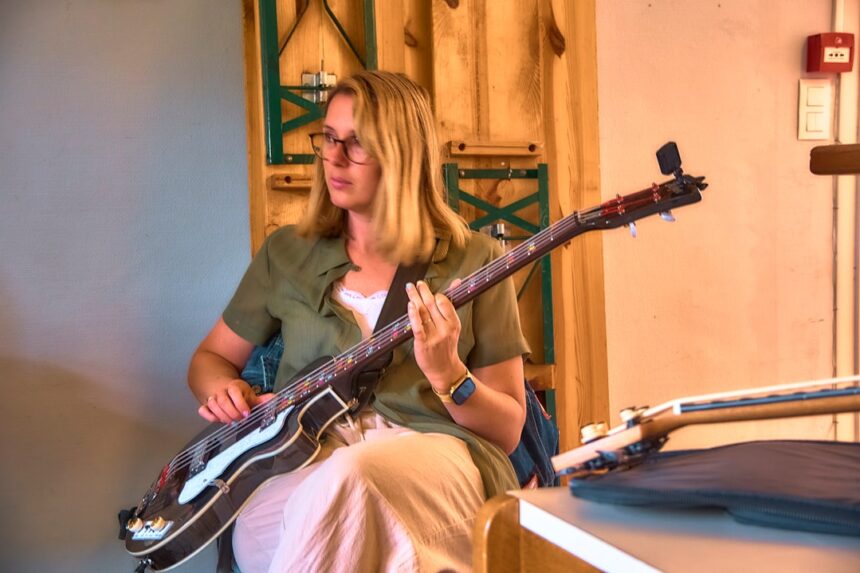
You are embarking on a journey, a deliberate engagement with a framework designed to foster your artistic evolution: the 30/30 creative practice. This is not a fleeting whim, but a structured commitment, a fertile ground you cultivate for artistic growth. The essence of the 30/30 challenge lies in its dual focus: the creation of 30 distinct pieces within a 30-day period, and the subsequent integration of the lessons learned from this intensive burst of activity into your ongoing artistic endeavors. This approach acts as a catalyst, accelerating your development by exposing you to a concentrated dose of creative problem-solving, experimentation, and self-reflection. Think of it as a deep dive into the ocean of your creativity, where you emerge not just with a collection of observations, but with a refined understanding of the currents and tides that shape your artistic expression.
The 30/30 creative practice is a self-imposed challenge, a period of focused artistic output. It’s built on the principle that consistent, concentrated effort can unlock significant creative breakthroughs. The core components are twofold: the act of creation and the subsequent process of integration. You are not merely producing output; you are actively learning from it. This practice is not about perfection or immediate masterpieces. Instead, it prioritizes momentum, exploration, and the cultivation of discipline. Each day presents an opportunity to engage with your chosen medium, to push your boundaries, and to observe your own creative process.
The Genesis of the 30/30 Idea
The concept of the 30/30 challenge, while not definitively attributed to a single individual, draws inspiration from various creative methodologies that emphasize consistent practice. The idea of engaging in a specific creative act daily, for a set duration, has a long lineage. Think of it as a more formalized and time-bound iteration of the adage that practice makes perfect, but with a specific focus on actionable output and subsequent introspection. Many artists, writers, and musicians have independently adopted or adapted similar principles. The digital age has further democratized and popularized such challenges, with online communities forming around them.
Defining “30 Pieces”
The definition of a “piece” can be flexible and should be tailored to your specific discipline. For a visual artist, this might mean a finished sketch, a small painting, a digital illustration, or even a photographic series. For a writer, it could be a poem, a short story excerpt, a blog post, or a character sketch. For a musician, it might be a short melody, a lyrical fragment, or a practice session focused on a specific technique. The key is that each “piece” represents a distinct creative output, a tangible result of your daily engagement. The goal is not to produce elaborate works, but to complete a defined creative unit, however small.
The 30-Day Temporal Constraint
The 30-day timeframe provides a sense of urgency and structure. It acts as a powerful motivator, pushing you to overcome inertia and procrastination. This temporal boundary creates a contained experiment, allowing you to observe predictable patterns in your creative energy, problem-solving approaches, and areas of potential fatigue or inspiration. This finite period makes the challenge approachable and manageable, preventing it from becoming an overwhelming, open-ended commitment.
The 30/30 creative practice for integration is a fascinating approach that encourages individuals to engage in creative activities for 30 minutes each day, followed by a reflective period of 30 minutes to process their experiences. For those interested in exploring this concept further, a related article can be found at Unplugged Psych, which delves into the psychological benefits of integrating creativity into daily life and offers practical tips for implementation.
The Practice of Creation: Building Momentum
The first half of the 30/30 is dedicated to the act of creation itself. This is where you build your daily rhythm, where you translate inspiration into tangible output. This phase is about developing discipline, exploring your chosen medium with greater intensity, and fostering a sense of accomplishment through consistent effort. It’s about the journey of making, not solely about the destination.
Establishing Daily Habits
The cornerstone of the creation phase is the establishment of a consistent daily habit. This means carving out a specific time for your creative practice, however brief. It might be the first hour of your day, during your lunch break, or before you wind down in the evening. The key is to make it a non-negotiable part of your routine. This consistent engagement, like watering a garden daily, ensures that your creative muscles remain engaged and responsive. You are training yourself to show up, to do the work, regardless of how you feel.
Experimentation and Exploration
Within this framework, experimentation and exploration are paramount. The 30/30 challenge is an ideal environment to step outside your comfort zone. Try new techniques, explore different themes, experiment with new materials or software. This is a period where mistakes are not failures, but valuable data points. You are an explorer charting unknown territories within your own creative landscape. Each piece, even if it doesn’t meet your internal standards of perfection, contributes to your understanding of what works and what doesn’t.
Overcoming Creative Blocks
The concentrated nature of the 30/30 often forces you to confront creative blocks head-on. When inspiration wanes, you are compelled to find alternative pathways. This might involve setting specific prompts, engaging in free-writing exercises, or simply pushing through the discomfort. The act of completing a “piece” even when feeling uninspired can be incredibly empowering. It teaches you that creativity isn’t solely about bursts of genius, but also about diligent application. You learn to navigate the ebb and flow, to find fuel even when the reservoir seems low.
The Power of Completion
Each completed piece, no matter how small, contributes to a cumulative sense of accomplishment. This consistent completion builds confidence and reinforces the idea that you are capable of creating. It’s like building a mosaic, where each individual tile, while seemingly insignificant on its own, contributes to the larger, cohesive image. This feeling of tangible progress can be a powerful antidote to self-doubt.
The Process of Integration: Harvesting Insights
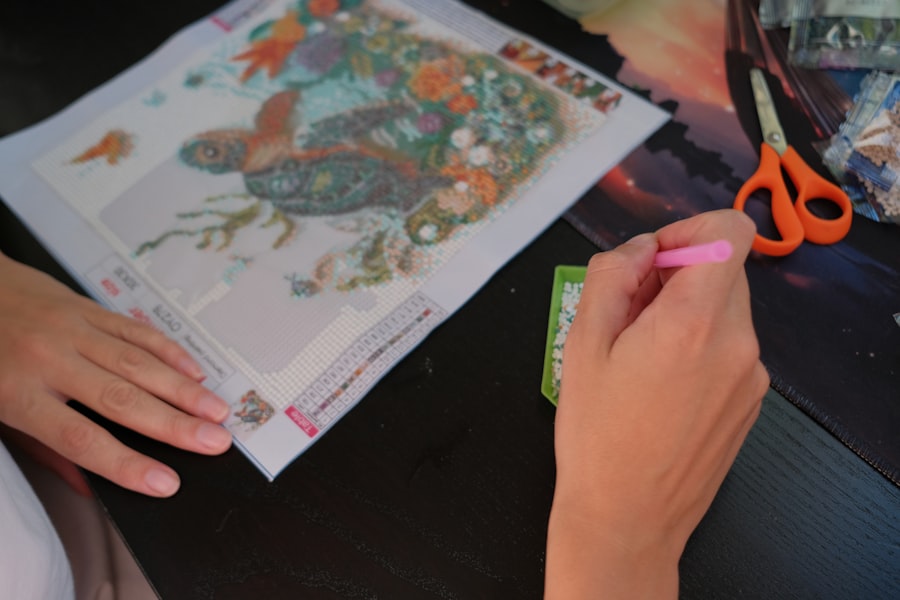
Once you have completed your 30 pieces, the real work of artistic growth begins: the integration of what you have learned. This phase is about reflection, analysis, and the deliberate application of your discoveries to elevate your future artistic endeavors. It’s about dissecting the puzzle you’ve assembled and understanding how each piece fits into a larger picture of your artistic development.
Deconstructing Your Work
Take the time to thoroughly examine each of the 30 pieces you have created. Don’t just gloss over them. Analyze them critically, but with a spirit of self-inquiry rather than judgment. What patterns emerge? What techniques did you gravitate towards? What challenges did you consistently face? What aspects of your work are you most pleased with, and why? This deconstruction is like a scientist meticulously examining specimens under a microscope, seeking to understand their fundamental properties.
Identifying Core Themes and Tendencies
As you deconstruct, you will likely begin to identify recurring themes, stylistic tendencies, or recurring technical approaches. These are the hallmarks of your creative voice emerging. Perhaps you found yourself drawn to a particular color palette, a specific narrative structure, or a recurring motif. Recognizing these tendencies is crucial for understanding your artistic identity and for consciously choosing which aspects you wish to cultivate or challenge further.
Recognizing Areas for Improvement
The 30/30 challenge is an unflinching mirror. It will highlight areas where your skills are weaker or where your creative process falters. This is not a moment for discouragement, but for targeted improvement. If you consistently struggled with composition, that’s a clear signal to dedicate time to studying composition. If your storytelling felt underdeveloped, that’s an indication to focus on narrative techniques. This self-awareness is the bedrock upon which you build stronger artistic foundations.
Articulating Lessons Learned
This is the phase where you translate your observations into actionable insights. Write down your findings. Create a “lessons learned” document that details specific takeaways from your 30-day experience. These could be technical insights, conceptual breakthroughs, or observations about your own creative process and energy levels. This articulation transforms ephemeral experiences into concrete knowledge you can return to.
Applying Insights to Future Practice

The ultimate goal of the 30/30 creative practice is not simply to have completed a challenge, but to have demonstrably grown as an artist. This growth is realized through the intelligent application of the insights gained during the integration phase. You are not just a gardener who plants seeds; you are one who tends to the soil, waters the sprouts, and harvests the fruits, then replants for a future harvest.
Refining Your Workflow
Based on your observations, you can now refine your artistic workflow. Perhaps you discovered that the morning is your most productive time. Maybe you learned that breaking down larger projects into smaller, daily tasks is more effective than tackling them all at once. Adjust your studio habits, your planning methods, and your approach to project management based on what the 30/30 revealed.
Targeted Skill Development
If your integration revealed specific weaknesses, now is the time for targeted skill development. This might involve taking a workshop, studying tutorials, or dedicating specific practice sessions to those areas. You are no longer shooting in the dark; you are addressing specific needs with intentionality. Your past creative output becomes a roadmap for your future learning.
Conscious Creative Choices
The insights from the 30/30 allow you to make more conscious creative choices. You can now intentionally lean into the aspects of your art that bring you the most fulfillment and success, while also proactively addressing areas that hold you back. You become a more deliberate architect of your artistic journey, rather than a passive traveler.
Sustaining Creative Momentum
The 30/30 challenge is a powerful way to build momentum, but sustaining that momentum requires ongoing effort. The integration phase helps you understand what fuels your creativity and how to maintain that energy beyond the challenge itself. You can implement strategies to prevent burnout and to cultivate a long-term, sustainable creative practice.
The 30/30 creative practice for integration offers a unique approach to enhancing mindfulness and creativity in daily life. By dedicating short bursts of focused time to creative activities, individuals can experience significant benefits in their overall well-being. For those interested in exploring this concept further, a related article discusses various techniques and insights that can complement the 30/30 practice. You can read more about these strategies in this informative article, which provides valuable tips for integrating creativity into your routine.
The Long-Term Impact on Artistic Growth
| Metric | Description | Recommended Duration | Frequency | Expected Outcome |
|---|---|---|---|---|
| Creative Activity Time | Time dedicated to focused creative work | 30 minutes | Daily | Enhanced creative flow and idea generation |
| Integration Time | Time spent reflecting and integrating creative insights | 30 minutes | Daily | Improved understanding and application of creative work |
| Total Practice Duration | Combined time for creative practice and integration | 60 minutes | Daily | Consistent creative development and personal growth |
| Creativity Boost | Increase in creative output and problem-solving ability | N/A | Measured weekly | 20-30% improvement over baseline |
| Emotional Integration | Degree of emotional processing and integration | N/A | Measured weekly | Higher emotional clarity and resilience |
The 30/30 creative practice is more than just a one-time event; it’s an investment in your enduring artistic growth. It’s a methodology that can be revisited and adapted, serving as a recurring catalyst for evolution. The skills and self-awareness you cultivate will ripple outwards, shaping your art for years to come.
Enhanced Discipline and Resilience
The consistent act of creation, even when faced with challenges, builds a powerful sense of discipline and resilience. You learn to push through fatigue, doubt, and creative blocks. This resilience is invaluable, not just in your art, but in all aspects of your life. You develop an inner fortitude that allows you to weather creative storms.
Deeper Self-Awareness
The introspective nature of the integration phase fosters profound self-awareness. You gain a clearer understanding of your creative patterns, your strengths, your weaknesses, and your underlying motivations. This self-knowledge is the bedrock of authentic artistic expression. You become more attuned to your internal compass.
Accelerated Learning Curve
By compressing a significant amount of creative output and reflection into a concentrated period, you dramatically accelerate your learning curve. You gain years of experience in a matter of weeks. This rapid feedback loop is vital for rapid artistic development. It’s like taking a high-speed train to your creative destination, rather than ambling along a country lane.
A Foundation for Continuous Improvement
The 30/30 challenge provides a framework for continuous improvement. It is not an endpoint, but a springboard. By adopting the principles of consistent creation and thoughtful integration, you establish a sustainable model for ongoing artistic growth. You are no longer waiting for inspiration; you are actively cultivating it, building an ever-expanding repertoire of skills and self-understanding. Your artistic journey becomes a continuous process of discovery and refinement. You become not just an artist, but a lifelong student of your own creative potential.
WARNING: Your Empathy Is a Biological Glitch (And They Know It)
FAQs
What is the 30/30 creative practice for integration?
The 30/30 creative practice for integration is a structured approach where individuals dedicate 30 minutes daily to a creative activity followed by 30 minutes of reflection or integration. This method helps deepen understanding and enhances the creative process by allowing time to process and internalize insights.
Who can benefit from the 30/30 creative practice?
Anyone interested in enhancing their creativity and personal growth can benefit from this practice. It is especially useful for artists, writers, educators, and professionals seeking to integrate creative insights into their work or daily life.
What types of activities are suitable for the 30/30 creative practice?
Suitable activities include drawing, writing, music composition, brainstorming, or any creative endeavor. The key is to engage in a focused creative session followed by a period of reflection, journaling, or discussion to integrate the experience.
How does the integration phase contribute to the creative process?
The integration phase allows individuals to process their creative work, make connections, and gain insights. This reflection helps solidify learning, encourages deeper understanding, and can inspire new ideas or directions in future creative efforts.
Can the 30/30 creative practice be adapted for group settings?
Yes, the practice can be adapted for groups by having participants engage in a shared creative activity followed by group reflection or discussion. This fosters collaboration, diverse perspectives, and collective integration of creative insights.